Blessing Children on Friday Night
What if there were one moment every week when all the noise fell away — no distractions, no agenda — and you could look into your child's eyes and pour out every hope and prayer you have for their future? For Jewish parents, that moment exists. It happens every Friday night, and it is one of the most intimate, powerful rituals in all of Jewish life: the blessing of the children.
The Most Personal Moment of Shabbat
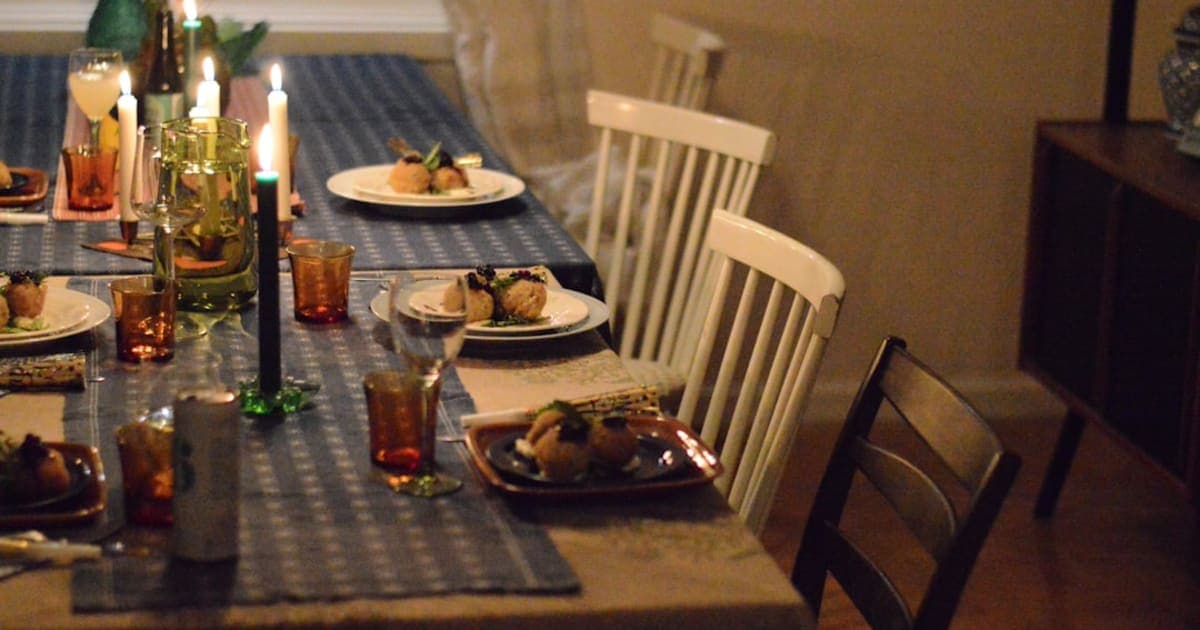
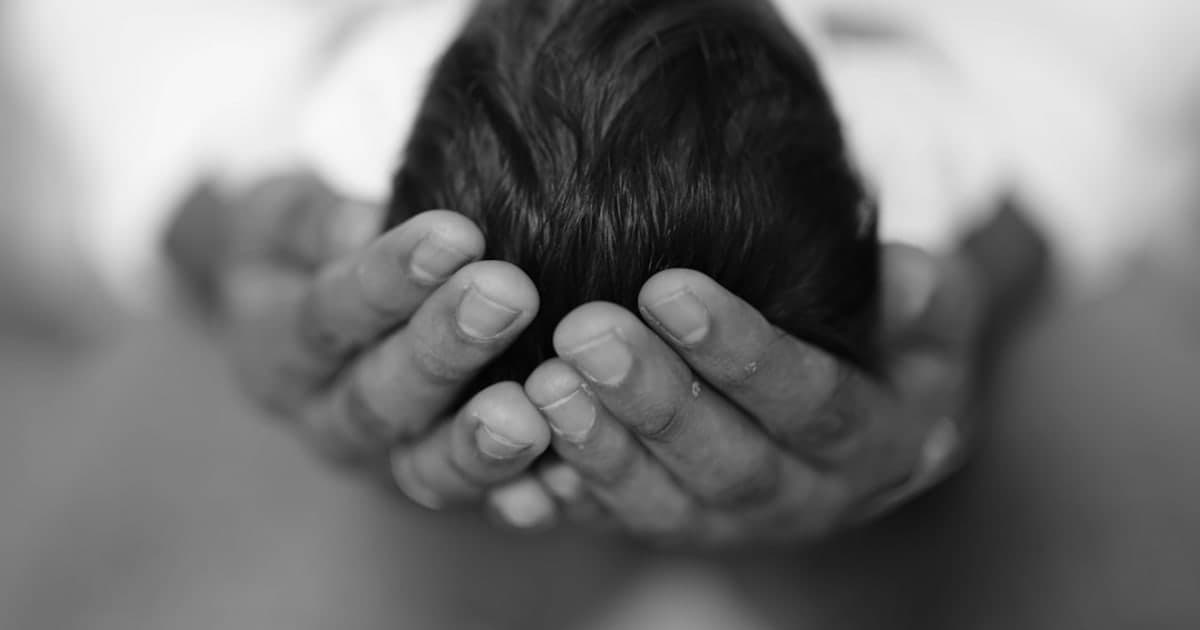
After the candles are lit, after Shalom Aleichem is sung, and after Eshet Chayil is recited, parents turn to their children for what many families consider the emotional heart of Friday night. Each parent places both hands on a child's head and offers a blessing — first the traditional words, and often a personal prayer as well.
This is not a grand public ceremony. It happens quietly at the dinner table, in homes around the world. But the impact is enormous. Children who grow up with this weekly blessing carry it with them for the rest of their lives. Many adults can close their eyes and still feel the weight of their parents' hands on their heads, still hear the whispered words of love and hope.
The Words of the Blessing
The traditional blessing has two parts: a specific opening that differs for boys and girls, followed by the Priestly Blessing that is given to all children.
For Boys
יְשִׂימְךָ אֱלֹהִים כְּאֶפְרַיִם וְכִמְנַשֶּׁה
Y'simcha Elohim k'Ephraim v'chi-Menashe.
"May God make you like Ephraim and Menashe."
For Girls
יְשִׂימֵךְ אֱלֹהִים כְּשָׂרָה רִבְקָה רָחֵל וְלֵאָה
Y'simech Elohim k'Sarah, Rivka, Rachel, v'Leah.
"May God make you like Sarah, Rebecca, Rachel, and Leah."
For All Children: The Priestly Blessing
After the specific opening, all children receive the Priestly Blessing (Birkat Kohanim):
יְבָרֶכְךָ יְהוָה וְיִשְׁמְרֶךָ
יָאֵר יְהוָה פָּנָיו אֵלֶיךָ וִיחֻנֶּךָּ
יִשָּׂא יְהוָה פָּנָיו אֵלֶיךָ וְיָשֵׂם לְךָ שָׁלוֹם
Y'varechecha Adonai v'yishmerecha. Ya'er Adonai panav eilecha vichuneka. Yisa Adonai panav eilecha v'yasem lecha shalom.
"May God bless you and guard you. May God shine His face upon you and be gracious to you. May God turn His face toward you and grant you peace."
These are the same words that the Kohanim (priests) used to bless the Jewish people in the Temple. By using them to bless our children, we are connecting our family table to the holiest place in Jewish history.
Why Ephraim and Menashe?
An obvious question: why do we bless our sons to be like Ephraim and Menashe, rather than the more famous patriarchs Abraham, Isaac, and Jacob?
There are several beautiful explanations:
- They were the first to grow up in exile — Ephraim and Menashe were born in Egypt, far from the land of Israel, surrounded by a culture that was not their own. Despite this, they maintained their Jewish identity and values. We bless our children to have that same strength of character, no matter where they find themselves.
- They lived in harmony — Unlike many brothers in the Torah (Cain and Abel, Isaac and Ishmael, Jacob and Esau, Joseph and his brothers), Ephraim and Menashe did not fight with each other. When their grandfather Jacob reversed their birth order in his blessing — giving the younger Ephraim precedence over the older Menashe — there was no jealousy, no conflict. We bless our children with that same spirit of peace and mutual respect.
- They stayed true despite temptation — Living in the wealth and glamour of Egypt, Ephraim and Menashe could easily have assimilated. Instead, they held fast to their heritage. We pray that our children will do the same.
Why the Four Matriarchs?
For daughters, the blessing invokes all four matriarchs — Sarah, Rebecca, Rachel, and Leah. Each represents a different dimension of Jewish womanhood:
- Sarah — Known for her faith, hospitality, and strength. She opened her tent to guests and shaped the destiny of the Jewish people.
- Rebecca (Rivka) — Known for her kindness, initiative, and keen perception. She saw the truth of situations and acted with conviction.
- Rachel — Known for her compassion, self-sacrifice, and deep love. She gave up her own honor to protect her sister from embarrassment.
- Leah — Known for her gratitude and prayer. She was the first person in the Torah to offer explicit thanks to God.
By invoking all four matriarchs, we bless our daughters with a full spectrum of qualities: faith, kindness, compassion, gratitude, strength, and wisdom.
How to Give the Blessing: A Step-by-Step Guide
The beautiful thing about this ritual is its simplicity. Here is exactly how it works:
- Timing — The blessing is given after the family gathers at the Shabbat table, typically after singing Shalom Aleichem and Eshet Chayil, and before Kiddush.
- Approach your child — Some parents go to each child in turn; others have the children come to them. Both approaches are fine.
- Place both hands on your child's head — This physical contact is essential. It is an act of love and transmission, connecting your blessing to the laying-on-of-hands blessings given by the patriarchs.
- Recite the appropriate opening — For boys, say "Y'simcha Elohim k'Ephraim v'chi-Menashe." For girls, say "Y'simech Elohim k'Sarah, Rivka, Rachel, v'Leah."
- Recite the Priestly Blessing — Say the three verses of the Priestly Blessing.
- Add a personal prayer — Many parents take an extra moment to whisper a personal blessing or prayer. You might pray for your child's health, happiness, success in their studies, or spiritual growth. There are no rules here — speak from your heart.
- A kiss — Many parents conclude with a kiss on the forehead or cheek.
What About Adult Children?
The blessing is not just for young children. Many families continue this practice well into adulthood. Grown children who come home for Shabbat often receive the blessing from their parents. Some parents bless their adult children over the phone if they live far away. Grandparents frequently bless their grandchildren as well.
There is something profoundly moving about a parent blessing an adult child. The child may be a successful professional, a parent themselves, fully independent in every way — and yet, standing before their parent with bowed head, they are, for a moment, simply a child receiving love.
What If You Did Not Grow Up with This Tradition?
Many people who are new to Jewish observance — or who grew up in less traditional homes — did not experience this blessing as children. If you are starting this tradition for the first time, know that it may feel awkward at first. That is completely normal.
Here are some tips for getting started:
- Print out the words — Having a card or sheet at the table removes the pressure of memorizing the Hebrew right away.
- Start simply — Even just placing your hands on your child's head and saying "I love you and I am proud of you" is a beautiful beginning.
- Be consistent — The power of this blessing grows over time. What feels unfamiliar the first week becomes beloved by the tenth.
- Do not worry about perfection — Your child does not need a perfect Hebrew pronunciation. They need to feel your love and intention.
The Deeper Meaning
At its core, blessing children on Friday night is an act of faith. When we bless our children, we are saying: "I believe that goodness awaits you. I believe that God is watching over you. I believe that the values of our ancestors live on in you."
In a world that constantly tells us our children are not enough — not smart enough, not successful enough, not achieving enough — the Friday night blessing is a radical counter-statement. It says: "You are a blessing. You are blessed. And I thank God for you."
This weekly ritual also teaches children something invaluable: that they come from somewhere. They are not isolated individuals floating through the world. They are part of an ancient chain — connected to Abraham and Sarah, to Ephraim and Menashe, to Rachel and Leah, and to every Jewish parent who has ever stood at a Shabbat table and placed their hands on a child's head with love.
After the blessing of the children, the Friday night meal continues with Kiddush and HaMotzi over challah. But for many families, this quiet moment of blessing is what they remember most. It is what their children will carry forward, and God willing, pass on to their own children one day.
For more on creating beautiful Shabbat experiences with your family, explore Making Shabbat Meaningful for Kids.