Building a Kosher Sukkah
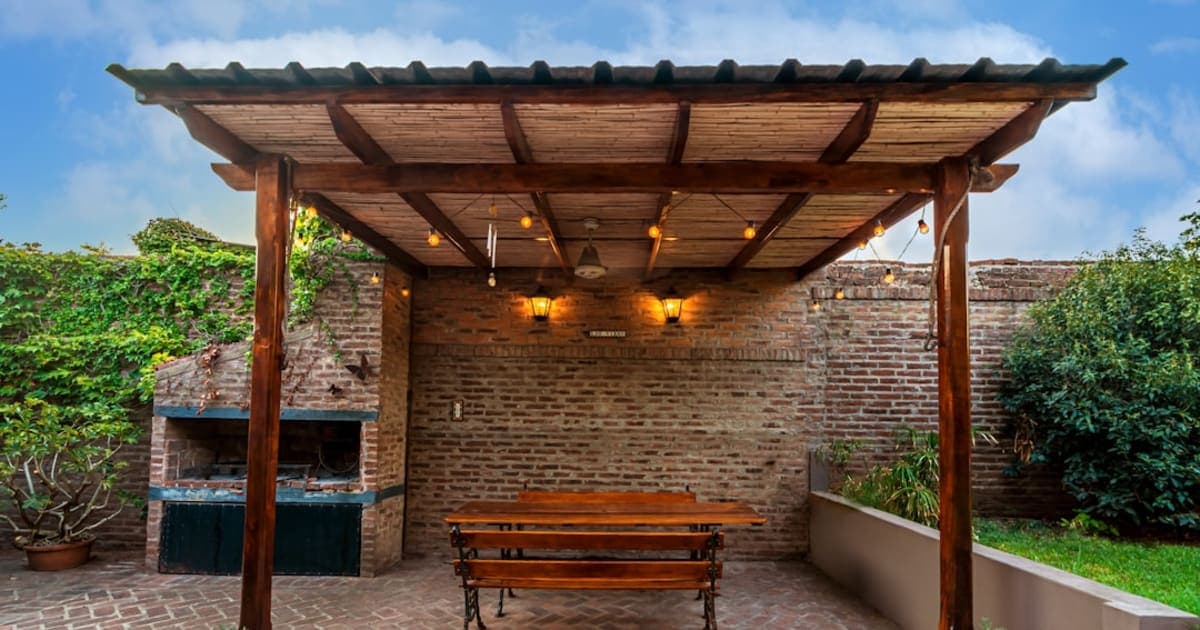
Building a Kosher Sukkah: A Practical Guide
Ready to build something with your own hands that connects you to 3,000 years of Jewish tradition? Building a sukkah is one of the most tangible and satisfying mitzvot in Judaism. Whether you are a first-time builder or a seasoned pro, understanding the basic requirements ensures that your sukkah is not only beautiful but halachically kosher.
The Basic Requirements
A kosher sukkah needs three things: walls, schach (roof covering), and sufficient size. Each has specific halachic requirements. For the full details of every requirement, see our companion article on halachic requirements.
Walls
A sukkah must have at least two full walls and a partial third wall (though three or four full walls are ideal and more practical). The walls must be sturdy enough to withstand normal wind. They can be made from virtually any material: wood, canvas, metal panels, lattice, fabric stretched over a frame, or even the exterior wall of your house (if one side of the sukkah is against the house).
The walls must be at least 10 tefachim (approximately 40 inches or 1 meter) high and can be as tall as 20 amot (approximately 30 feet or 9 meters). For practical purposes, most home sukkot have walls between 6 and 8 feet high.
Schach (Roof Covering)
The schach is the defining feature of the sukkah. It must meet three criteria. First, it must be made from something that grew from the ground (plant material). Second, it must be detached from the ground (not still growing). Third, it cannot be something that is susceptible to ritual impurity, which practically means it should be unprocessed natural material, not manufactured items.
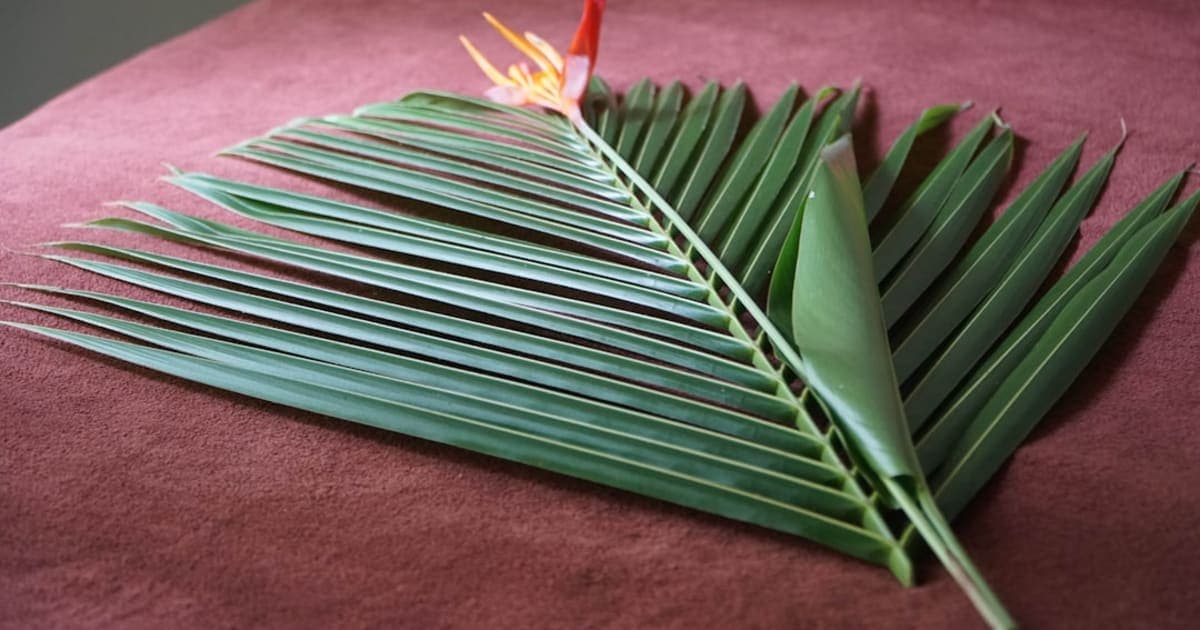
Common schach materials include bamboo poles, bamboo mats (sold specifically for sukkah use), evergreen branches, palm fronds, wooden planks (if narrow enough), corn stalks, and reeds. Pre-made schach mats are popular and make the process much easier.
The schach must provide more shade than sunlight during the daytime. However, you should be able to see the stars through it at night (or at least some sky). If the schach is so dense that no light comes through at all, it may not be valid. On the other end, if more sunlight comes through than shade, it is also not valid.
Size
The minimum size for a sukkah is 7 tefachim by 7 tefachim (approximately 28 by 28 inches), though this is barely enough for one person. Practically, most sukkot are at least 4 by 6 feet to accommodate a table and chairs, and family-sized sukkot can be much larger.
Location
The sukkah must be under the open sky. It cannot be built under a tree, an awning, a balcony overhang, or any permanent structure. The schach must have nothing between it and the sky. If a tree branch extends over part of the sukkah, the area under that branch is not valid for sitting.
Common locations include the backyard, a patio (if not covered), a driveway, or a balcony that has open sky above it. Some apartment dwellers build sukkot on rooftops or open balconies.
Types of Sukkah Structures
Wood frame: The traditional approach. Build a frame from 2x4 lumber and attach walls of plywood, lattice, or canvas. Sturdy and customizable.
Metal frame (pop-up sukkah): Pre-fabricated metal frames with canvas walls that assemble quickly, like a large tent. These are popular for their convenience and are available from Jewish supply stores.
Modular panels: Interlocking wall panels that snap together. Easy to assemble and store.
PVC pipe: A budget-friendly DIY option. Build a frame from PVC pipes and joints, then attach canvas or fabric walls. Lightweight but less wind-resistant.
Practical Building Tips
Plan your layout before building. Measure the space, decide on the size, and make sure you have room for a table, chairs, and comfortable movement. Build the sukkah early in the week after Yom Kippur to ensure you have time for adjustments. Secure the walls well, as wind is the sukkah's biggest enemy. Stakes, weights, zip ties, and bungee cords are your friends. Make sure the schach is evenly distributed, not bunched in some areas and sparse in others. Leave openings for a door or entrance that are comfortable to use.
Decorating the sukkah is a beloved tradition, especially for children. Hang paper chains, artwork, pictures of Jerusalem, fruits, and other decorations. See our DIY decorations guide for creative ideas.
The Joy of Building
Building a sukkah is one of the few mitzvot that involves physical construction. There is something deeply satisfying about creating a dwelling with your own hands and then living in it. Many families make sukkah building an annual tradition, with each family member contributing. The sukkah you build becomes the setting for some of the most memorable meals of the year, a place where holy guests are welcomed and gratitude fills the air.
For more on Sukkot, see our guides to the four species, eating in the sukkah, and the complete guide to Sukkot.