Creating a Peaceful Shabbat Atmosphere

What Makes Shabbat Feel So Different from Every Other Day?
Ask people who love Shabbat what they love most, and many will say the same thing: it is the feeling. There is something about walking into a home with Shabbat candles glowing, a table set with care, the smell of fresh challah, and the absence of phones and screens that creates an atmosphere unlike anything else. It is peace -- real, tangible, weekly peace.
Creating that atmosphere does not require a huge home or a gourmet kitchen. It requires intention. With a few simple practices, you can transform your living space -- no matter how modest -- into a Shabbat sanctuary.
Setting the Stage: Friday Afternoon Preparation
The transition into Shabbat begins hours before candle-lighting. In fact, the preparation is itself a mitzvah -- part of honoring the day.
Clean and Tidy
There is a reason Jewish homes get cleaned before Shabbat. Walking into an orderly space signals to your brain and your soul that something different is about to happen. You do not need to deep-clean the entire house -- just clear the clutter, wipe the surfaces, and make the dining area welcoming.
Set the Table
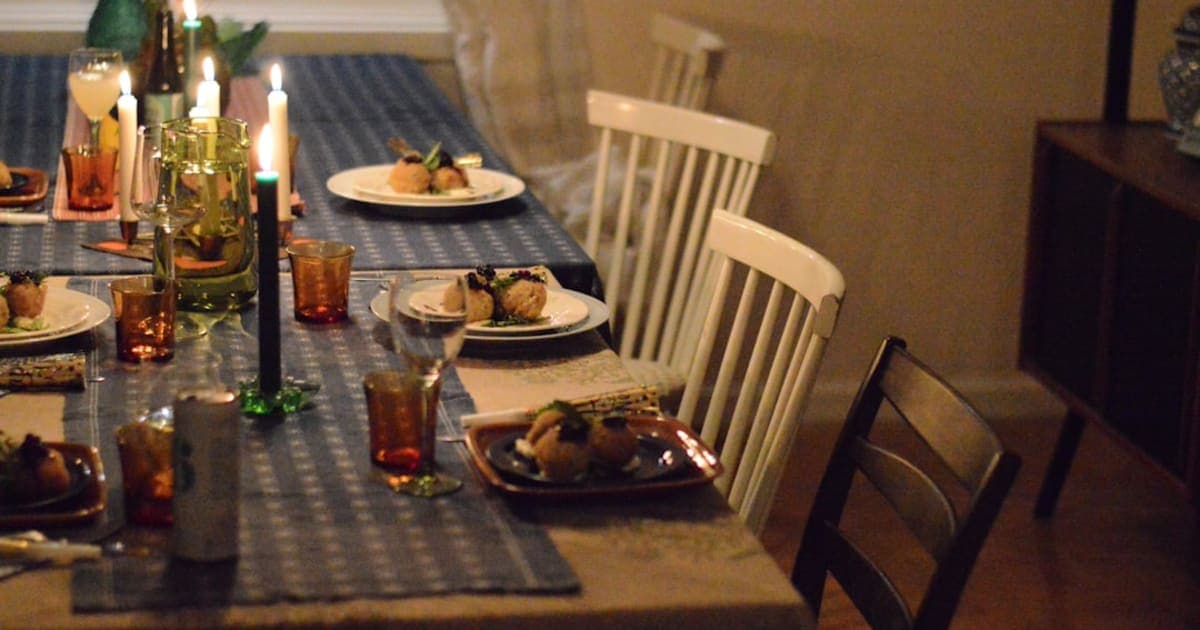
A white tablecloth is traditional and immediately transforms an everyday table. Set out:
- Shabbat candles (at least two)
- A Kiddush cup and wine or grape juice
- Two challot covered with a cloth
- Your nicest dishes (they do not have to be fancy -- just designated for Shabbat)
- Optional: flowers, a small tzedakah box, printed song sheets
Prepare the Food
Having food ready before Shabbat is essential (since cooking is not done on Shabbat itself). Shabbat cooking can be simple -- a roasted chicken, a pot of soup, a salad, and challah make a beautiful meal. What matters is that it is prepared with love and intention.
Personal Preparation
Shower. Dress in your nicest clothes. This is called kavod Shabbat (honoring Shabbat). When you look and feel different from the rest of the week, it helps you enter Shabbat mode.
The Moment of Transition: Candle-Lighting
When the candles are lit, everything shifts. The woman of the house (or whoever is lighting) covers her eyes, says the blessing, and takes a moment to pray silently. Many women say this is their most spiritual moment of the week -- a few seconds of profound connection between herself, her family, and God.
After the blessing, she opens her eyes to the Shabbat candles, and the atmosphere is officially transformed. Phones go off. Laptops close. The week is over. Shabbat has arrived.
During the Meal: Warmth and Connection
Sing Together
Zemirot (Shabbat songs) are a cornerstone of the Shabbat atmosphere. You do not need to be a great singer. Start with one or two familiar melodies and let them grow over time. Singing together creates a sense of unity and joy that is hard to achieve any other way.
Share Words of Torah
A brief thought on the weekly Torah portion, a meaningful quote, or even a question for the table to discuss adds depth to the meal. Many families go around the table and share a highlight of their week or something they are grateful for.
Bless Your Children
Blessing your children on Friday night is one of the most moving Shabbat traditions. Parents place their hands on each child's head and offer the traditional blessing, often followed by a personal prayer whispered into the child's ear. Children treasure this ritual, and it creates a powerful bond of love and security.
Slow Down
The most important ingredient in a peaceful Shabbat atmosphere is simply... slowness. Eat without rushing. Talk without checking the time. Linger over dessert. Be present with the people at your table. In a world that values speed and efficiency, Shabbat invites you to do the opposite.
Shabbat Day: Sustaining the Peace
The peaceful atmosphere should not end after Friday night dinner. Shabbat day offers its own gifts:
- A leisurely morning: Without alarms and obligations, many people sleep in or enjoy a slow breakfast before synagogue.
- Walking: Since driving is not done on Shabbat, walking to synagogue or around the neighborhood becomes a meditative practice.
- The Shabbat nap: A Shabbat afternoon nap is practically sacred. Allow yourself this gift of genuine rest.
- Reading and learning: Without screens competing for attention, many people find Shabbat is their best reading and learning time.
- Conversation: The quality of conversation on Shabbat -- unhurried, undistracted, genuine -- is often remarkable.
Tips for Beginners
- Start small: Even lighting candles and having a nice dinner is a meaningful beginning.
- Involve everyone: Let family members contribute -- children can set the table, a partner can prepare a dish, guests can bring dessert.
- Create rituals: The things you do consistently become the traditions your family treasures. Pick one or two elements and do them every week.
- Do not strive for perfection: A Shabbat that is warm and real beats a Shabbat that is elaborate but stressful.
The Reward
People who create a peaceful Shabbat atmosphere consistently report that it becomes the anchor of their week -- the thing they look forward to, the thing that keeps them grounded. It does not happen overnight. It builds gradually, week by week, candle by candle, song by song.
But once you experience it, you will understand why Jews have protected Shabbat for thousands of years. It is not just a day off. It is a taste of the world as it was meant to be.