Hard Cheese and Waiting Periods
Did You Know Some Cheeses Require a Waiting Period Before Meat?
Most people who keep kosher are familiar with the requirement to wait between eating meat and dairy. But many are surprised to learn that the reverse can also apply -- certain hard, aged cheeses require a waiting period before eating meat. This is a lesser-known area of kashrut that can catch even experienced kosher observers off guard.
The Basic Rule: Dairy Before Meat Is Usually Simple
Under normal circumstances, switching from dairy to meat is straightforward. After eating soft dairy products (like milk, yogurt, soft cheese, or cream cheese), you need only:
- Eat something solid and drink something to cleanse the palate
- Check that no dairy residue remains in your mouth
- Wash your hands if they touched dairy food
No waiting period is required. You can eat dairy, clean your mouth, and immediately proceed to a meat meal. This is in contrast to the substantial waiting period required after meat before dairy.
The Exception: Hard Aged Cheese
However, hard aged cheese is different. Many halachic authorities require a waiting period after eating hard cheese before consuming meat, similar to (and in many opinions, identical to) the waiting period after meat before dairy.
Why Is Hard Cheese Different?
The reasoning parallels the logic behind waiting after meat:
- Strong residual flavor -- Hard aged cheese has an intense, lingering flavor that persists in the mouth long after eating. Just as meat leaves a fatty residue that takes time to dissipate, aged cheese leaves a strong taste that takes time to clear.
- Particles lodge between teeth -- Hard cheese, especially when aged, tends to break into small particles that can get stuck between teeth. These particles would mix with meat eaten subsequently.
- The fat factor -- Aged cheeses have concentrated fat content that coats the mouth, similar to the fat in meat that necessitates a waiting period.
What Counts as Hard Cheese?
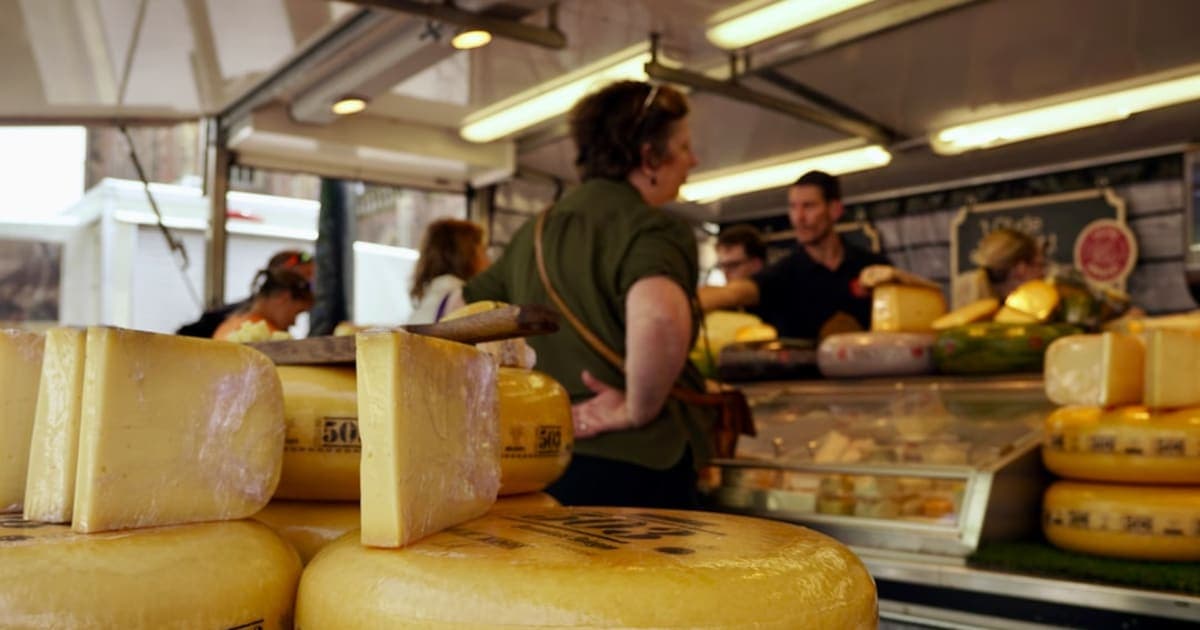
This is where things get detailed. The general rule is that cheese aged for six months or more (some say three months) is considered hard cheese for this purpose. Common cheeses that typically fall into this category include:
- Parmesan (Parmigiano-Reggiano) -- Aged 12-36 months, this is the classic example
- Aged cheddar -- Sharp or extra-sharp cheddar aged over 6 months
- Gruyere -- Typically aged 6-18 months
- Aged Gouda -- When aged beyond 6 months
- Pecorino Romano -- Aged 8-12 months
- Manchego -- When aged (curado or viejo varieties)
- Emmental (Swiss) -- Some varieties, depending on aging
Cheeses that are generally NOT considered hard cheese for this purpose include:
- Mozzarella
- Cream cheese
- Cottage cheese
- Feta
- Brie and Camembert
- American cheese
- Most soft or semi-soft cheeses
The Debate: What Exactly Qualifies?
Halachic authorities disagree about the precise definition of hard cheese. The main positions include:
- Aging time -- Some define it strictly by aging period (6 months is a common threshold)
- Wormy appearance -- The original Talmudic discussion mentions cheese that has developed a certain appearance or has visible mold development characteristic of long aging
- Taste and texture -- Some authorities focus on the practical qualities: does the cheese have a strong, lingering flavor and hard, crumbly texture?
- Any hard cheese -- Some stricter opinions include any cheese with a firm texture, even if not aged for six months
How Long Must You Wait?
Among those who require waiting after hard cheese, the most common practice is to wait the same amount of time as one waits after meat:
- Six hours -- The standard waiting period in most communities
- Three hours or one hour -- Communities that follow a shorter meat-to-dairy waiting period would apply the same shorter period after hard cheese
However, some authorities hold that the waiting period after hard cheese is a more recent stringency and may be fulfilled with a shorter wait (such as one hour) even in communities that wait six hours after meat. This is a matter to discuss with your rabbi.
Practical Scenarios
The Parmesan on Pasta Problem
You sit down to a dairy pasta lunch with grated Parmesan. According to many authorities, you would need to wait your full waiting period before eating meat. This can be surprising if you were planning on a meat dinner shortly after.
The Cheese Board Before Shabbat Dinner
Serving an aged cheese board at a Friday afternoon gathering could mean guests need to wait before the Shabbat meat meal. Plan the timing accordingly, or stick to soft cheeses for pre-Shabbat snacking.
Pizza With Aged Cheese
If your pizza is topped with aged mozzarella (not typically a hard cheese issue) plus Parmesan or similar aged cheese, the hard cheese rules would apply.
Practical Tips
- Know your cheeses -- Read labels to check the aging time of cheeses you buy regularly
- Plan your meals -- If you know you want meat for dinner, skip the aged cheese at lunch
- When in doubt, ask -- Check with your rabbi about specific cheeses you are unsure about
- Keep it simple -- If tracking aging times feels overwhelming, simply wait after any cheese that tastes strong and aged
- Note that cooking does not help -- Unlike some areas of kashrut, cooking hard cheese into a dish does not reduce the waiting requirement
A Note About Kashering Your Mouth
For soft cheeses that do not require a waiting period, the standard practice of cleaning your mouth between dairy and meat is:
- Eat a piece of bread or other solid food (this helps clean cheese residue from the mouth)
- Drink something (water is fine)
- Wash your hands if they touched dairy
- Some add the practice of checking between teeth
For hard cheese, these steps alone are not sufficient -- the full waiting period is required because the flavor and residue persist despite mouth cleaning.
Connection to Broader Kashrut Practice
Understanding the hard cheese waiting period helps illustrate how the kosher system works as an integrated whole. The separation of meat and dairy is not just about keeping them off the same plate -- it extends to managing the transition between dairy and meat eating, accounting for lingering flavors and residues. The same careful attention that leads us to maintain separate dishes and utensils also governs the timing of what we eat and when.
Whether or not this particular stringency applies in your community, knowing about it enriches your understanding of kashrut and helps you navigate the rich and detailed world of Jewish dietary practice.