Jewish Wedding Traditions

Why Is a Jewish Wedding So Much More Than Just a Party?
A Jewish wedding is one of the most joyful events in Jewish life -- but it is also one of the most meaningful. Every element of the ceremony, from the marriage canopy to the breaking of the glass, carries deep symbolic and spiritual significance. A Jewish wedding is not just the union of two people; it is the creation of a new Jewish home, a new link in the chain of Jewish continuity.
Whether you are planning your own Jewish wedding, attending one as a guest, or simply curious about the traditions, this guide will walk you through the beautiful customs that make a Jewish wedding unforgettable.
Before the Wedding
The Engagement (Vort/Tena'im)
In many communities, the engagement is formalized with a tena'im ceremony, where the conditions of the marriage are written and signed, and a plate is broken -- symbolizing the seriousness of the commitment. A joyful celebration often follows.
Mikvah
Before the wedding, the bride immerses in the mikvah (ritual bath). This immersion symbolizes spiritual renewal and the beginning of a new chapter in her life.
Aufruf
On the Shabbat before the wedding, the groom is called up to the Torah for an aliyah (aufruf in Ashkenazi tradition). The congregation showers him with candy, and the family typically hosts a celebratory Kiddush.
The Wedding Day
Fasting
Many couples fast on their wedding day until the ceremony (similar to Yom Kippur), as marriage represents a fresh start -- a personal Day of Atonement when past wrongs are forgiven.
The Bedeken (Veiling)
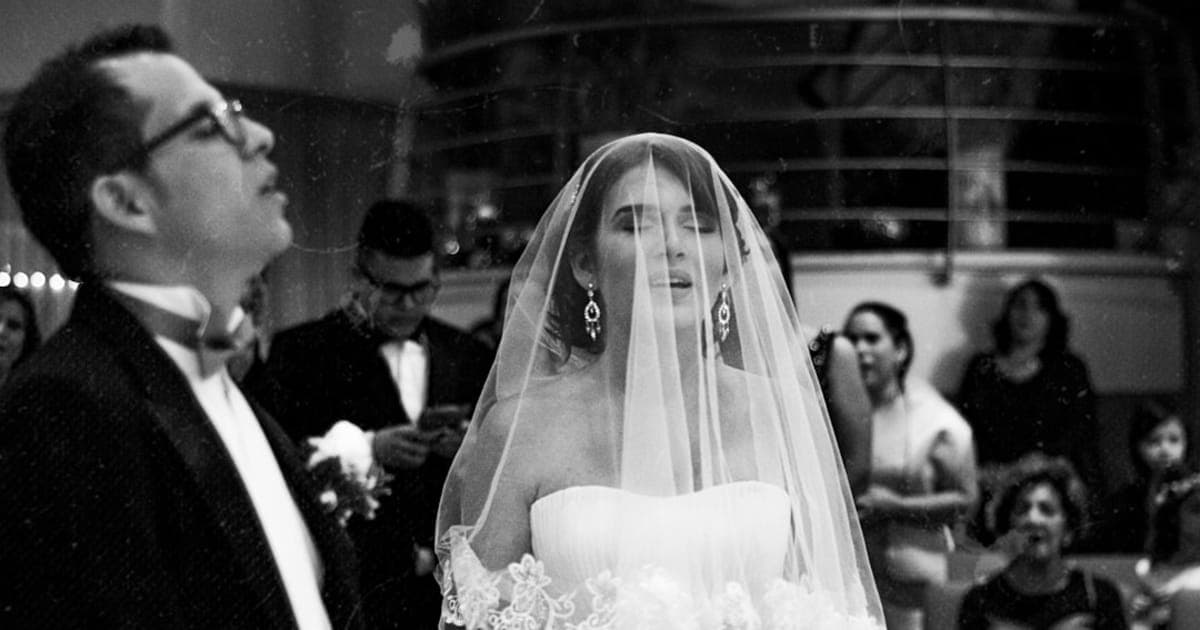
Before the ceremony, the groom approaches the bride and places a veil over her face. This custom recalls the biblical story of Jacob, who was deceived into marrying the wrong woman because she was veiled. The groom verifies that he is marrying the right person. The bedeken is an emotionally powerful moment -- often accompanied by singing and tears of joy.
The Ketubah (Marriage Contract)
The ketubah is the Jewish marriage contract, which outlines the groom's obligations to his wife. It is signed by two witnesses before the ceremony and is often beautifully illustrated, becoming a work of art that hangs in the couple's home.
The Ceremony Under the Chuppah
The heart of the Jewish wedding takes place under the chuppah -- the wedding canopy. The chuppah represents the home the couple will build together. It is open on all sides, symbolizing the hospitality and openness of the Jewish home.
Circling
The bride traditionally circles the groom (seven times in Ashkenazi custom) under the chuppah. This beautiful ritual creates a new shared space -- a private world that belongs to the couple.
Blessings Over Wine
The rabbi recites blessings over a cup of wine, and both the bride and groom drink from it.
The Ring
The groom places a ring on the bride's right index finger and recites: "You are sanctified to me with this ring, according to the law of Moses and Israel." The ring must be a simple, unadorned band -- symbolizing that the marriage is built on substance, not show.
Reading the Ketubah
The ketubah is read aloud, officially documenting the marriage.
Sheva Brachot (Seven Blessings)
The sheva brachot -- seven blessings -- are recited, praising God for creating humanity, for the joy of marriage, and for the happiness of the bride and groom. These blessings are often distributed among honored guests or family members.
Breaking the Glass
The ceremony concludes with the groom (and in some customs, the bride as well) stepping on a glass and breaking it. The crowd shouts "Mazel tov!" The broken glass is traditionally understood as a remembrance of the destruction of the Temple in Jerusalem -- a reminder that even in our greatest joy, we recall the suffering and incompleteness of the world.
After the Ceremony
Yichud (Seclusion)
Immediately after the ceremony, the couple spends a few minutes alone together in a private room (yichud). This brief period of seclusion officially completes the marriage and gives the couple a moment of intimacy and reflection amidst the celebration.
The Celebration (Seudah)
A festive meal follows, typically with music, dancing, and great joy. Traditional Jewish wedding celebrations feature separate dancing for men and women, with lively music and creative entertainment. The dancing is meant to bring joy to the bride and groom -- and the energy is infectious.
Sheva Brachot Week
For seven days after the wedding, the couple is hosted at meals by friends and family, with the seven blessings recited again at each meal. This week-long celebration helps the couple begin their married life surrounded by love and community.
The Deeper Meaning
A Jewish wedding is not just about two people -- it is about building something eternal. Every element points toward the values that will sustain the marriage: commitment (the ketubah), openness (the chuppah), joy (the celebration), remembrance (the broken glass), and kindness (the community's role).
The Talmud teaches that when a man and woman create a home of peace and holiness, God's presence dwells between them. That is the ultimate aspiration of a Jewish marriage: not just happiness (though that is important too), but holiness -- a partnership dedicated to something greater than either partner alone.