Making Shabbat Meaningful for Kids
How Do You Teach Children to Love the Best Day of the Week?
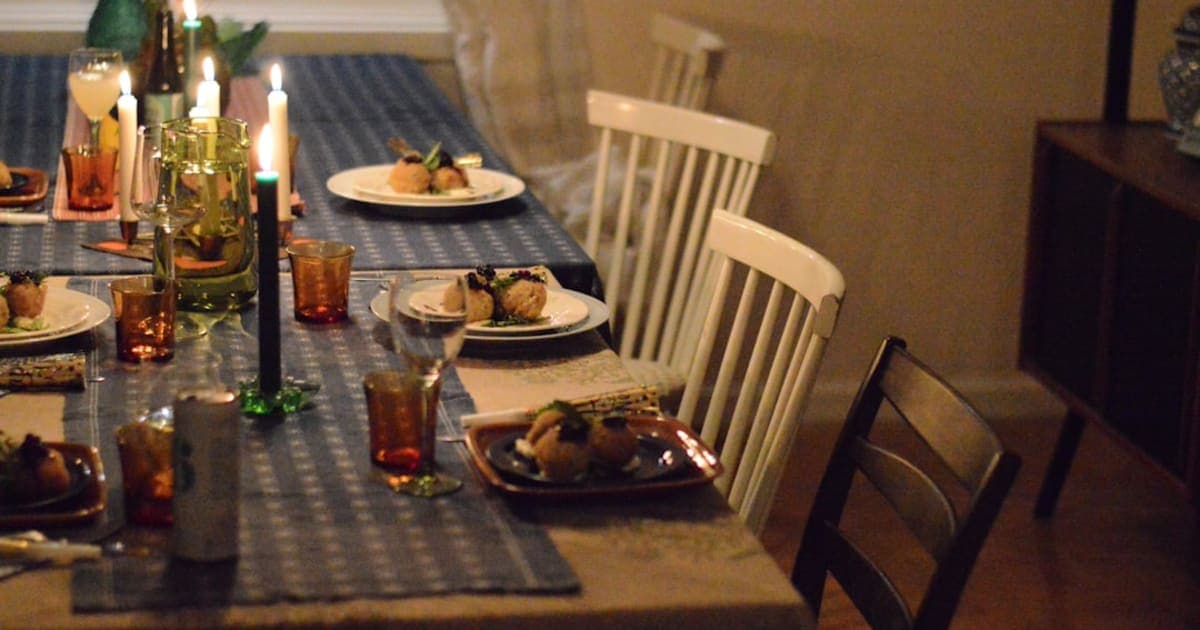
If you ask adults who grew up keeping Shabbat what they remember most, the answers are almost always sensory: the taste of challah, the glow of candles, the sound of their father singing, the feeling of being tucked in with a blessing on Friday night. These memories become the foundation of a lifelong connection to Judaism.
The secret to making Shabbat meaningful for kids is not lectures or rules -- it is experience. Children learn what they live. If Shabbat feels warm, joyful, and special, they will love it. If it feels like a list of restrictions, they will resist it. Your goal as a parent is to make Shabbat so wonderful that your children look forward to it all week.
Getting Kids Involved in Preparation
Children love to help -- and involving them in Shabbat preparation gives them a sense of ownership and excitement.
Baking Challah Together
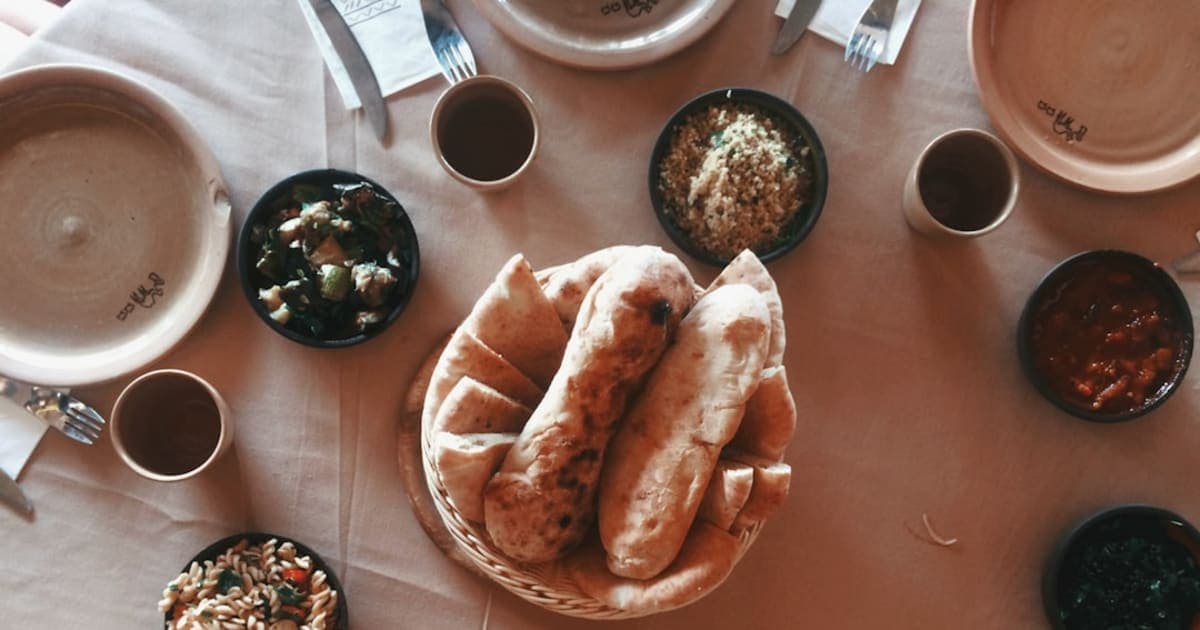
There is something magical about making challah with children. Let them help measure, mix, knead, and braid the dough. Even toddlers can shape small rolls or sprinkle toppings. The smell of fresh challah baking in the oven creates an anticipation that is pure Shabbat.
Setting the Table
Give children specific jobs: placing the candles, setting out the Kiddush cup, folding napkins, arranging flowers, or putting out the challah cover. When children help set the table, they feel that Shabbat is partly "theirs."
Choosing Special Clothes
Let children pick out their Shabbat outfit. Having designated "Shabbat clothes" -- even if it is just a favorite dress or a nice shirt -- helps mark the day as special. Some families let each child choose a new small item (a clip, a tie, a ribbon) for Shabbat occasionally.
Friday Night Rituals Kids Love
Candle-Lighting
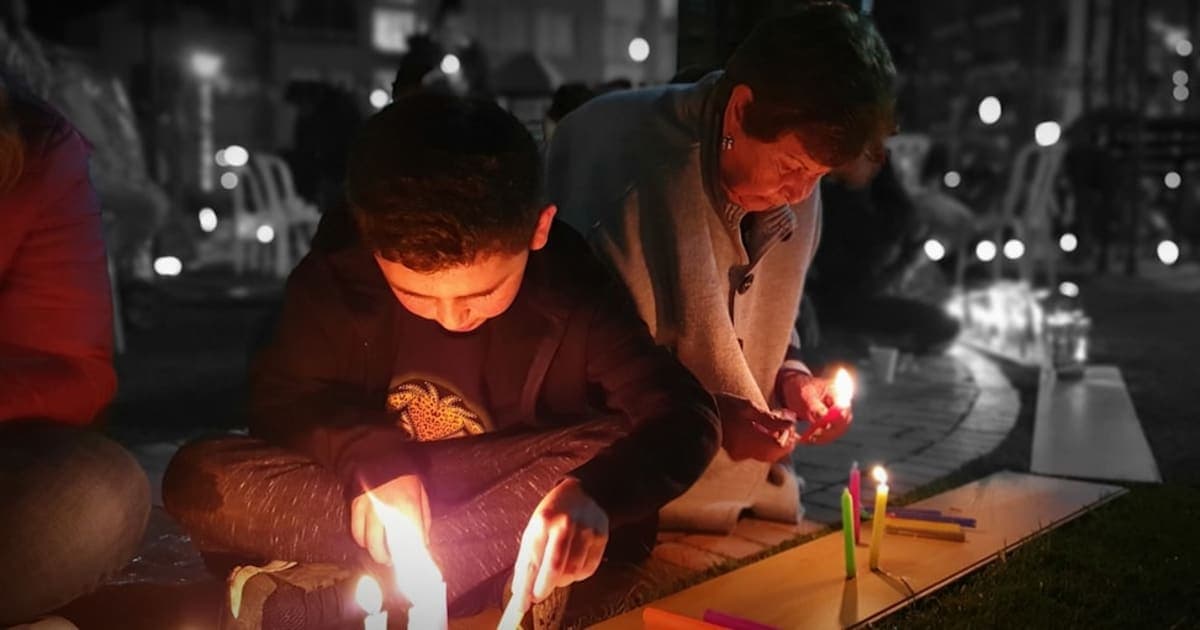
Many families give each child their own Shabbat candle to light (with parental supervision for young children). Having their own flame to light and their own blessing to say makes children feel included and important.
The Blessing
Blessing your children on Friday night is one of the most powerful Shabbat traditions. Place your hands on each child's head and say the traditional blessing, adding a personal prayer in your own words. Children may squirm in the moment, but they remember this ritual for the rest of their lives.
Songs and Singing
Children love Shabbat songs. Start with simple, catchy melodies and add more over time. Let children request their favorites. If you play instruments on weekdays, learn the melodies so you can sing them from memory on Shabbat. Many families have a few songs that become "their" family songs -- private traditions that bond the family together.
Storytelling
Shabbat dinner is the perfect time for stories -- from the Torah, from Jewish history, or family stories about grandparents and great-grandparents. Children are fascinated by stories about their own family and by the dramatic narratives of the Torah. Many parents prepare a short story or discussion topic from the weekly parashah (Torah portion).
Shabbat Day Activities
Without screens, children need alternatives. The good news is that many of the best activities are screen-free anyway:
- Board games and puzzles: Shabbat is perfect for games that the whole family can enjoy together.
- Building and creating: Legos, blocks, crafts (using materials prepared before Shabbat).
- Reading: Stock up on Jewish children's books, comics, and age-appropriate stories.
- Nature walks: Walking to a park, exploring the neighborhood, or simply playing outside.
- Playing with friends: Shabbat afternoon playdates are a staple of Jewish family life.
- Shabbat naps: Younger children benefit from the rest, and older children enjoy the lazy, unstructured time.
Dealing with the "No" Rules
Children will naturally ask why they cannot watch TV, use tablets, or play with certain toys on Shabbat. Here are some approaches:
- Frame restrictions positively: Instead of "You cannot watch TV," try "On Shabbat, we do special things we do not do the rest of the week."
- Offer alternatives: "We are not using screens today, but we can play a game together / go to the park / have a special snack."
- Be consistent: Children adapt to routines. If Shabbat rules are consistent, they quickly become normal.
- Lead by example: If you are not on your phone, your children will be much less likely to miss theirs.
Special Shabbat Treats
Consider creating small traditions that children associate uniquely with Shabbat:
- A special snack or candy that only appears on Shabbat
- A "Shabbat bag" with small toys or books that come out only on Shabbat
- A special dessert that the family makes together on Friday
- A weekly ritual like reading from a specific book each Shabbat afternoon
These small traditions create powerful associations. When children have things they only get on Shabbat, the day becomes genuinely exciting.
Building a Lifetime of Shabbat Love
The goal is not to create a perfect Shabbat -- it is to create a warm, joyful one. Children who grow up associating Shabbat with challah, candles, singing, family time, and special treats will carry those memories into adulthood. They will be the ones who light candles in their own homes, who invite their own guests, who sing the same songs to their own children.
That is the real power of Shabbat: it creates a chain of love and tradition that links one generation to the next. And it all starts with making this Shabbat meaningful for the children at your table.