Melave Malka: The Post-Shabbat Meal
Why Would You Have a Special Meal After Shabbat Is Already Over?
Shabbat has ended. Havdalah has been recited. The braided candle has been extinguished in the wine. The new week has officially begun. So why are we sitting down to eat again?
This is the question that greets anyone encountering Melave Malka for the first time. The name means "escorting the queen," and it refers to a beautiful custom of eating a meal on Saturday night after Shabbat has departed. If Shabbat is a queen who visits us every week, then Melave Malka is our way of walking her to the door, showing her the same respect and honor as she leaves that we showed when she arrived. Just as you would not let a beloved guest slip out the back door unnoticed, we do not let Shabbat depart without a proper farewell.
But Melave Malka is more than just good manners. It carries deep mystical significance, profound spiritual teachings, and practical benefits that can transform the way your week begins. This often-overlooked meal may be one of the most underappreciated treasures in Jewish life.
The Origins of Melave Malka
The custom of Melave Malka is rooted in the Talmud, which connects it to King David. The Talmud relates that David knew he would die on a Shabbat, but he did not know which one. So every Saturday night, when Shabbat ended and he was still alive, David would celebrate with a feast of gratitude. His survival through another Shabbat was cause for thanksgiving and joy.
From this story, the practice of the Saturday night meal developed. Over time, it became enriched with additional layers of meaning from the Kabbalists and Chassidic masters, who saw in Melave Malka an opportunity to bridge the sacred time of Shabbat with the ordinary time of the week.
The name "escorting the queen" comes from the mystical tradition that personifies Shabbat as a queen or bride. Just as we welcome Shabbat on Friday evening with songs, prayers, and a festive meal, we bid her farewell on Saturday night with a meal of its own. The symmetry is intentional: Shabbat deserves honor at both her arrival and her departure.
The Mystical Luz Bone
One of the most fascinating teachings connected to Melave Malka involves a mysterious bone called the luz. According to Jewish tradition, there is a tiny bone at the base of the spine (or, according to some, at the back of the skull) that is indestructible. It does not decompose after death, it cannot be burned, crushed, or dissolved, and it is from this bone that the body will be rebuilt at the time of the resurrection of the dead.
And here is the remarkable connection: the luz bone is nourished only by the food eaten at Melave Malka. It receives no sustenance from any other meal of the week. This teaching adds extraordinary significance to the Saturday night meal. When you eat Melave Malka, you are not just having a late-night snack. You are nourishing the very bone from which your future, resurrected body will be formed.
Whether you understand this literally or metaphorically, the teaching is powerful. It suggests that the transition point between Shabbat and the week, between the sacred and the ordinary, is a moment of unique spiritual potency. What we do at this juncture has consequences that extend beyond the immediate, all the way to the ultimate redemption.
When to Have Melave Malka
Melave Malka should ideally be eaten on Saturday night, after Havdalah. The sooner after Shabbat the better, as it should feel like a continuation of the Shabbat honor rather than a disconnected late-night meal. However, the custom is valid even if the meal is eaten later in the evening.
Some practical timing considerations:
- In the winter: When Shabbat ends early (sometimes as early as 5:00 PM), there is plenty of time for a proper Melave Malka at a reasonable hour.
- In the summer: When Shabbat ends late (9:00 PM or later in some locations), Melave Malka can be challenging. Even a small meal or snack counts. The key is the intention to escort the Shabbat Queen.
- Before midnight: While there is no strict deadline, the spirit of the custom is best preserved when the meal takes place on Saturday night itself, not in the wee hours of Sunday morning.
What to Eat at Melave Malka
There is no required menu for Melave Malka, and the meal can range from elaborate to simple depending on your energy level and the time available. Here are some traditional approaches:
The Ideal: A Warm, Cooked Meal with Bread
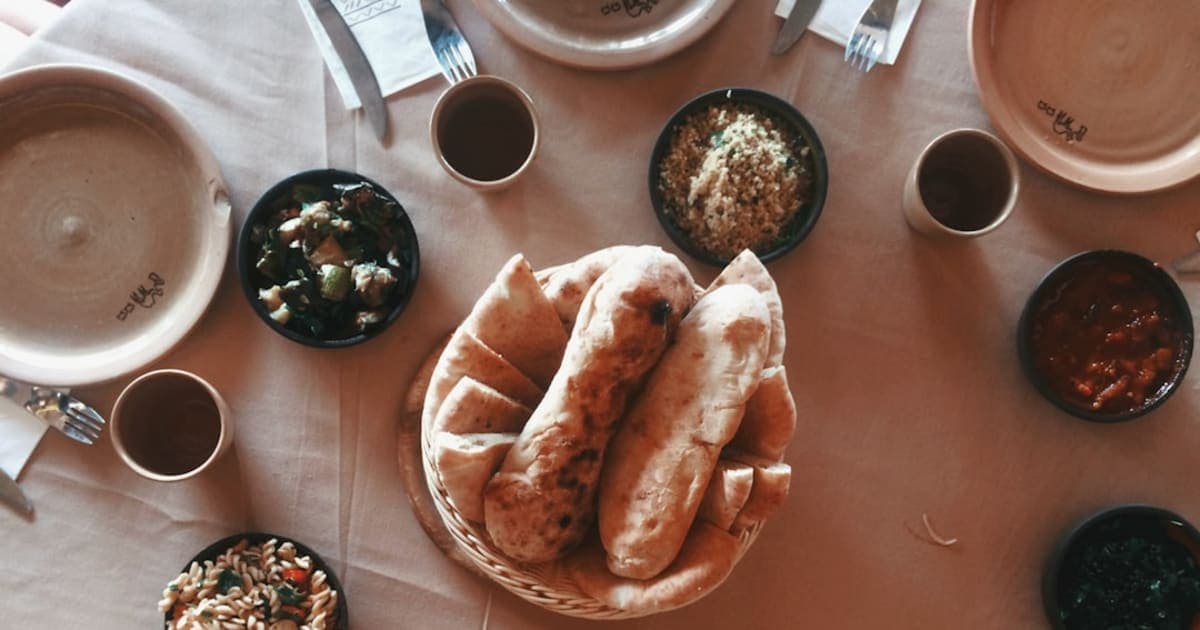
The highest level of Melave Malka includes bread, which would require washing hands, making HaMotzi, and concluding with Birkat Hamazon. A freshly baked item, something made specifically for this meal, is considered especially meritorious. Many communities have the custom of baking fresh bread or rolls for Saturday night.
A Lighter Option
If a full bread meal is too much after three Shabbat meals, any of the following work well:
- Pizza, melted cheese toast, or other warm foods that feel like a "meal" even without formal bread
- Cake or pastry with tea or coffee: Baked goods made from the five grains fulfill many opinions about the meal's requirements
- Fruit and refreshments: In cases of difficulty, even eating fruit with the intention of Melave Malka has value
The Saturday Night Classic: Motzaei Shabbat Pizza
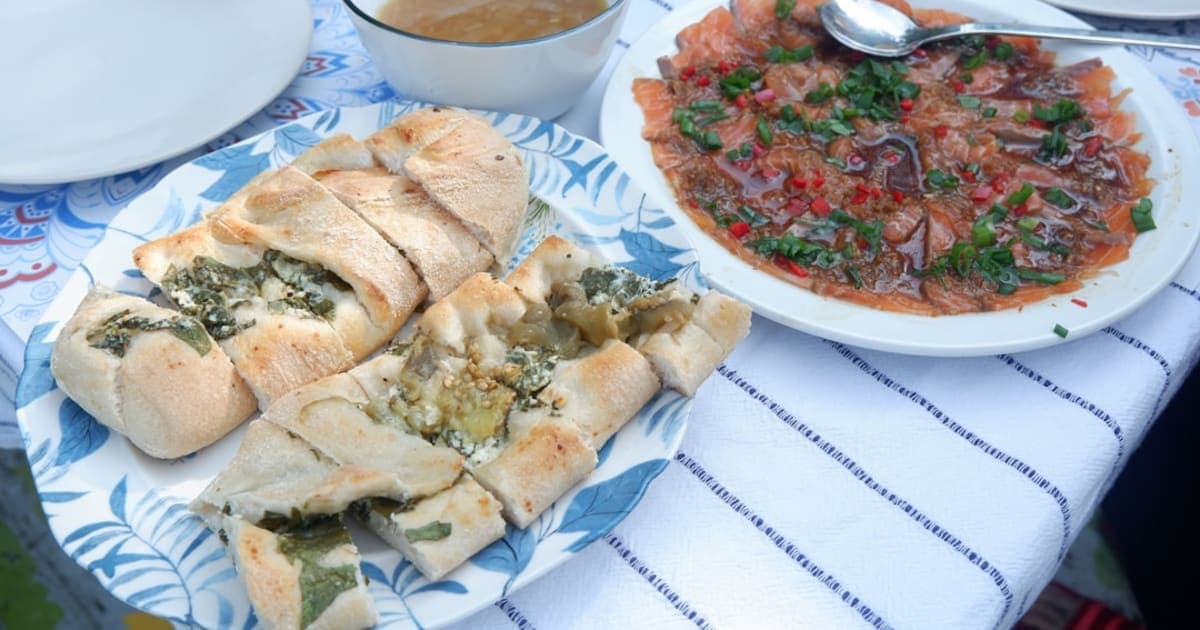
In many modern Jewish communities, Saturday night pizza has become an unofficial Melave Malka tradition. While not historically "traditional," it perfectly captures the spirit of the meal: warm, communal, enjoyable, and easy to prepare on short notice after a full day of Shabbat rest.
Setting the Atmosphere
Melave Malka is more than just eating. It is about creating a transition, carrying some of the warmth and sanctity of Shabbat into the new week. Here are some ways to make it special:
Singing and Music
It is customary to sing at Melave Malka, particularly songs associated with Elijah the Prophet, who tradition says will herald the coming of the Messiah. The connection to Elijah reflects the hope that permeates Melave Malka: just as Shabbat has given us a taste of the World to Come, we express our longing for the ultimate redemption. Many people also play musical instruments at Melave Malka, something that was not permitted on Shabbat itself, adding a special energy to the gathering.
Stories of the Righteous
In Chassidic tradition, Melave Malka is a time for telling stories of tzaddikim (righteous individuals). These stories inspire and uplift, providing spiritual fuel for the week ahead. Many communities gather on Saturday night specifically to hear stories of great rabbis and share teachings.
Candlelight
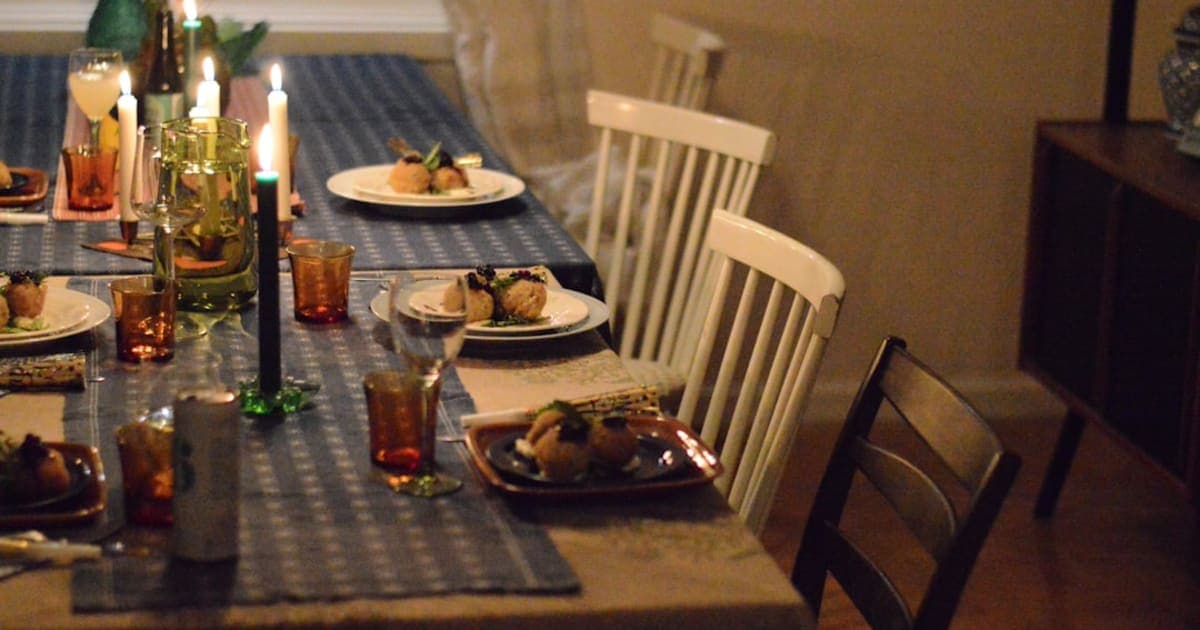
Some have the custom of keeping the Shabbat ambiance going by eating Melave Malka by candlelight or in a softly lit room. The transition from Shabbat to the week does not have to be jarring. It can be gentle and gradual, and the atmosphere of Melave Malka helps achieve this.
Melave Malka and the Transition to the Week
One of the most important functions of Melave Malka is helping us transition gracefully from the holiness of Shabbat to the productivity of the workweek. This transition is not always easy. After twenty-five hours of spiritual elevation, peace, and rest, returning to emails, errands, and obligations can feel harsh and disorienting.
Melave Malka creates a buffer zone. It is no longer Shabbat, but it is not yet fully "the week" either. It is a liminal space where we can begin to reengage with the world while still carrying the glow of Shabbat. The extra soul (neshama yetera) has departed, but its influence lingers. Melave Malka is our way of honoring that lingering light.
This is similar to how the braided Havdalah candle combines multiple wicks into a single flame. Melave Malka weaves together the sacred and the ordinary, the departing Shabbat and the arriving week, into something whole and meaningful.
Melave Malka in Community
While Melave Malka can certainly be a family affair, it also has a strong communal dimension. Many synagogues and Jewish organizations host Saturday night Melave Malka events, often featuring:
- Live music and singing: Since musical instruments are now permitted, Saturday night is a popular time for Jewish musical gatherings.
- Guest speakers or Torah classes: The relaxed Saturday night atmosphere lends itself well to learning and discussion.
- Fundraising events: Melave Malka dinners have become a popular format for charitable events in Jewish communities.
- Social gatherings: Saturday night is a natural time for community socializing, and framing it as Melave Malka adds a spiritual dimension to what might otherwise be a purely social event.
Practical Tips
- Prepare something in advance. If you know you will be tired after Shabbat, prepare Melave Malka food before Shabbat (a cake, snacks, or ingredients for a quick meal) so it is ready to go after Havdalah.
- Keep it simple when needed. A cup of tea with cake and a song is a beautiful Melave Malka. Do not skip it because you think it needs to be elaborate.
- Set the table nicely. Even if the meal is simple, using a nice tablecloth or setting out a few items with care shows honor for the departing Shabbat Queen.
- Include your children. Melave Malka is a wonderful family tradition. Children love the Saturday night atmosphere and the sense that Shabbat gets a proper goodbye.
- Say the intention. Before eating, take a moment (even silently) to dedicate the meal as Melave Malka, in honor of escorting the Shabbat Queen. Intention matters.
Escorting the Queen Into the Week
Melave Malka is one of those practices that reveals the genius of Jewish life. It recognizes that transitions matter, that the way we end something is just as important as the way we begin it, and that sacred time should not simply evaporate but should be escorted out with dignity and warmth.
When you sit down to eat on Saturday night, you are doing something quietly heroic. You are refusing to let the beauty of Shabbat disappear without acknowledgment. You are carrying a spark of holiness into the ordinary week. You are nourishing the part of yourself that connects to eternity. And you are escorting a queen, walking her to the gate with love, gratitude, and the whispered promise: we will see you again next week.