Oil vs. Candles: Which is Better for Chanukah?
Oil vs. Candles: Which Is Better for Chanukah?
When you walk into a Judaica store before Chanukah, you will likely see two aisles competing for your attention: one filled with boxes of colorful candles, the other lined with olive oil kits and glass cups. Which should you choose? Is one actually better than the other? And does it even matter? The answer, like so many things in Jewish life, is both simple and surprisingly deep.
The Short Answer
Both oil and candles are completely valid for fulfilling the mitzvah of lighting the Chanukah menorah. You have fulfilled your obligation either way. However, olive oil is considered the preferred choice because it most closely mirrors the original miracle. The miracle of Chanukah was about olive oil, so using olive oil to commemorate it is considered a hiddur mitzvah, a beautification of the commandment.
Why Olive Oil Is Considered the Ideal
The Connection to the Miracle
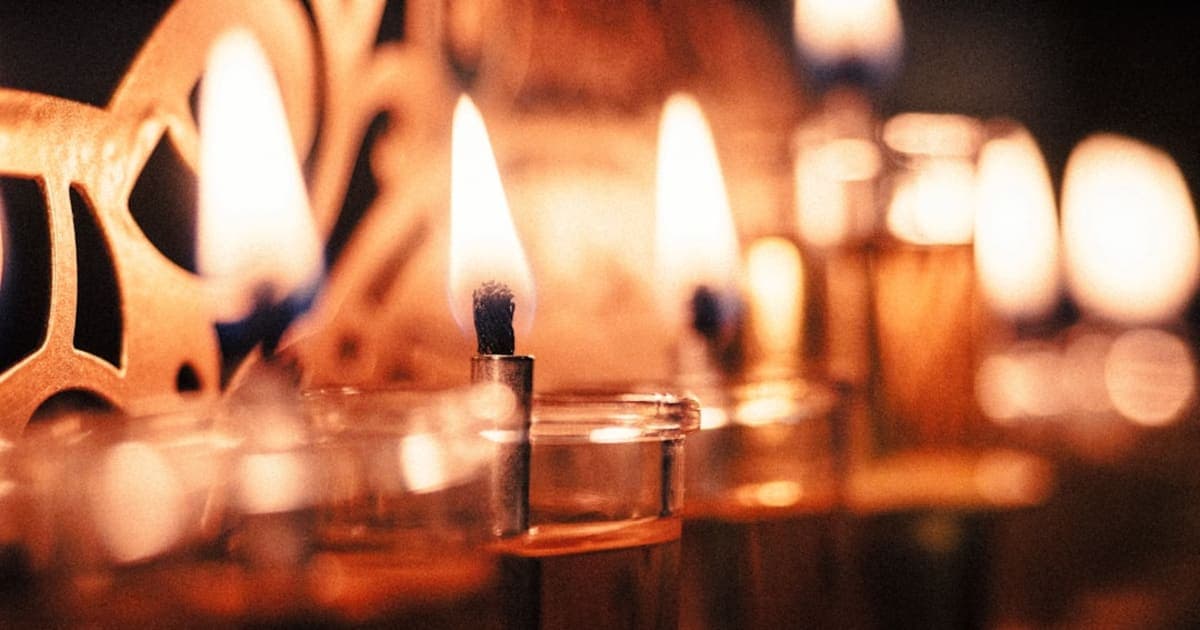
The story at the heart of Chanukah centers on olive oil. When the Maccabees rededicated the Holy Temple in Jerusalem, they found only one small sealed cruse of pure olive oil, enough to burn in the Temple's menorah for a single day. Miraculously, it burned for eight days. By using olive oil in our own menorahs, we create a direct, tangible connection to that original miracle. The flickering flame of oil in a glass cup mirrors what the Maccabees themselves would have seen in the Temple.
Quality of the Flame
Olive oil produces a particularly clean, steady, and bright flame. The light from olive oil is often described as clearer and more beautiful than that of a standard candle. Since part of the mitzvah involves publicizing the miracle, a brighter, more beautiful flame better accomplishes this goal.
Traditional Preference
Throughout Jewish history, many great halachic authorities expressed a preference for olive oil. The reasoning is straightforward: since the miracle occurred with olive oil, using the same substance best commemorates the event. Some authorities even noted that while any oil that produces a clear flame is acceptable, olive oil is the most praiseworthy choice.
The Case for Candles
Despite the preference for oil, wax candles have become the more popular choice in many communities, especially in the Ashkenazi world. Here is why:
Convenience and Accessibility
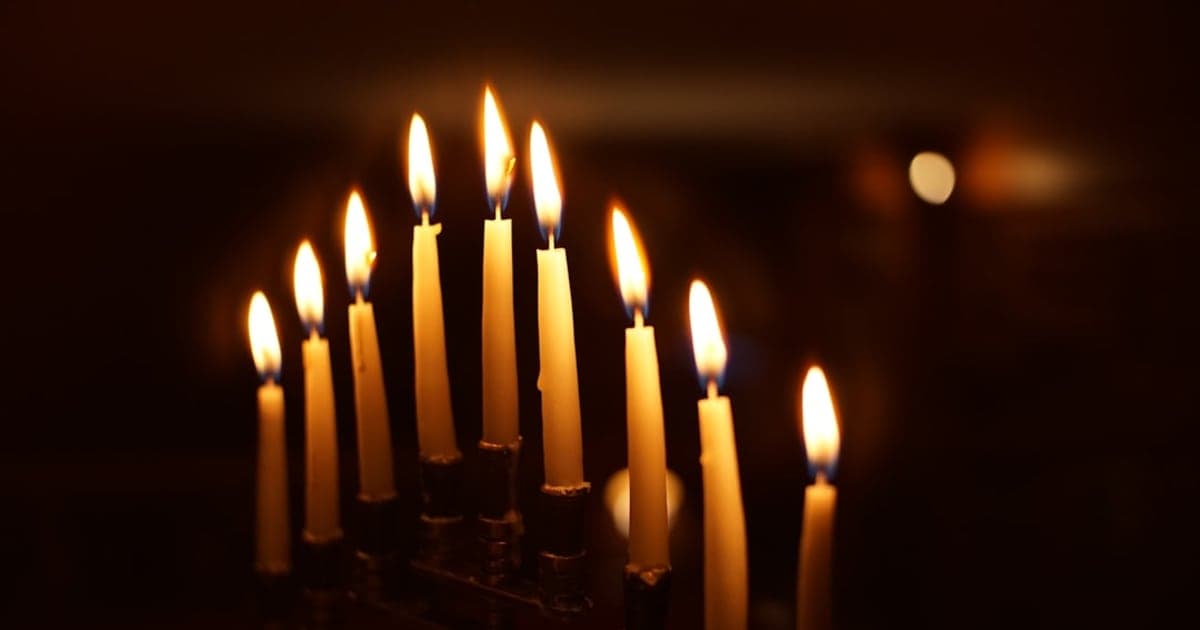
Chanukah candles are incredibly easy to use. You open the box, pop them into the menorah, and light. There is no setup, no risk of spilling oil, and no need for floating wicks or glass cups. For families with young children, this simplicity is a real advantage.
Clean and Neat
Oil can be messy. Glass cups need to be cleaned, wicks need to be replaced, and there is always the risk of oil dripping onto your windowsill or table. Candles drip wax too, but many people find them easier to manage overall.
Variety and Beauty
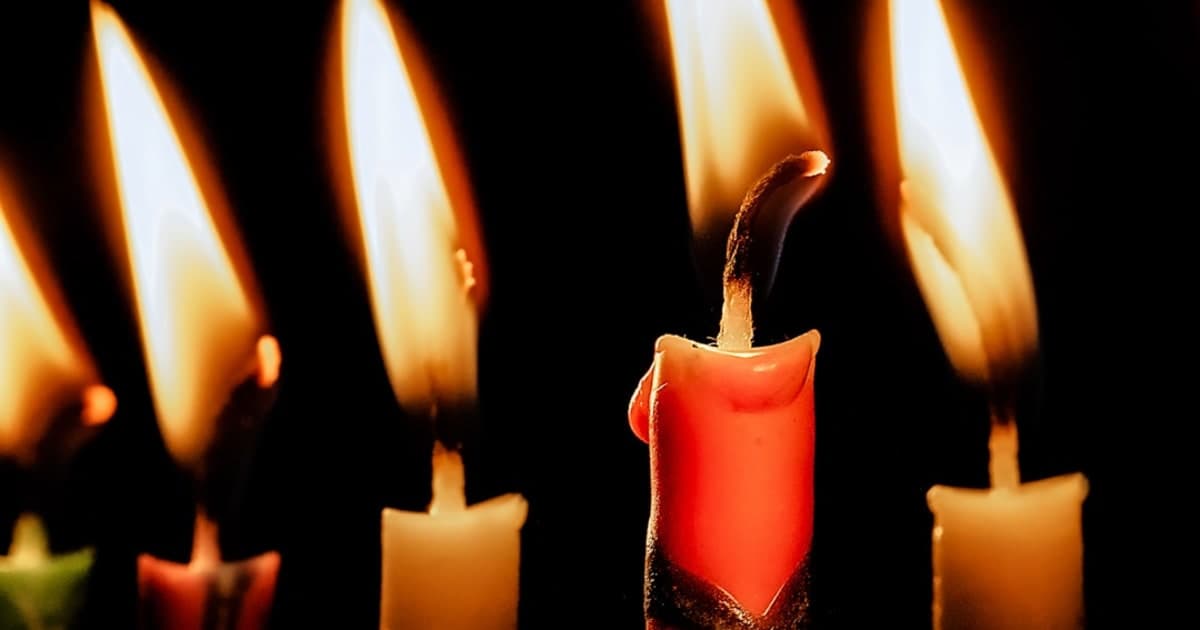
Chanukah candles come in a rainbow of colors, from classic blue and white to multicolored assortments. For children especially, the colorful candles add a festive, joyful element to the nightly lighting. Some families even let children choose the colors each night as part of the celebration.
Cost
A box of standard Chanukah candles is quite affordable, typically costing just a few dollars and lasting the entire holiday. Olive oil setups, while not expensive, do cost more when you factor in the oil, wicks, and glass cups.
What About Other Types of Oil?
While olive oil is the top choice, other oils can be used as well. Any oil that produces a clear, steady flame is acceptable. This includes:
- Vegetable oil
- Canola oil
- Coconut oil
- Soybean oil
However, oils that produce a sputtering, smoky, or dim flame should be avoided, as the flame should burn clearly for the required duration. If you use a non-olive oil, you still fulfill the mitzvah completely.
What About Beeswax Candles?
Beeswax candles are a popular upscale option. They burn longer and more cleanly than standard paraffin candles, and they produce a warm, natural light. Some people prefer them for their natural composition and pleasant subtle scent. They are perfectly acceptable for the mitzvah.
Practical Considerations
Burn Time Requirements
The Chanukah lights must burn for at least 30 minutes after nightfall on weeknights. On Friday evening, they need to burn from before Shabbat candle-lighting until at least 30 minutes after nightfall, which can mean over an hour. Standard Chanukah candles typically burn for 30 to 45 minutes, which is sufficient for most nights but may be too short for Friday evening. If using candles on Friday, make sure to get longer-lasting ones. Oil, on the other hand, can be measured precisely: just add enough oil for the needed duration.
Safety
Both oil and candles involve open flames and require basic fire safety precautions. Place your menorah on a fireproof tray, away from curtains and other flammable materials, and never leave burning candles unattended around small children or pets.
Wind
If you light your menorah outdoors (common in Israel) or near an open window, oil lamps with glass enclosures handle wind much better than exposed candle flames. Glass-enclosed oil cups protect the flame and keep it burning steadily even in a breeze.
What About Electric Menorahs?
Electric menorahs are popular as decorations and are a wonderful way to display Chanukah pride in your window or on your lawn. However, they do not fulfill the mitzvah of lighting the menorah. The commandment specifically requires a flame, which an electric bulb does not produce. An electric menorah is great as a supplement, especially for safety in children's rooms or public displays, but should not be your only menorah.
The Deeper Symbolism
There is a beautiful teaching that compares the olive to the Jewish people. Just as an olive must be pressed and crushed to release its precious oil, the Jewish people have endured tremendous pressure throughout history, and from that struggle has come brilliant light. When we light olive oil on Chanukah, we are not just recalling a historical miracle. We are affirming that hardship can produce something luminous and holy.
The Al HaNissim prayer we say during Chanukah speaks of God delivering the mighty into the hands of the weak and the many into the hands of the few. The tiny flame of the menorah, whether from oil or wax, embodies this message: even a small light can push back a vast darkness.
Bottom Line: What Should You Use?
Here is a simple guide:
- If you want to fulfill the mitzvah in the most ideal way: use olive oil
- If you want ease, convenience, and colorful fun: use candles
- If this is your first Chanukah or you are new to the practice: use whatever you can get. The most important thing is to light
- If you want to try both: use oil on the first and last nights (the most significant) and candles on the other nights
Whatever you choose, the act of lighting the menorah each night of Chanukah is what truly matters. The flames, whether from olive oil or colored candles, carry the same ancient message: miracles are real, light overcomes darkness, and the Jewish spirit is inextinguishable.
For more about the holiday, see our guides to Chanukah foods and games and the dreidel game.