Opening Bottles and Cans on Shabbat
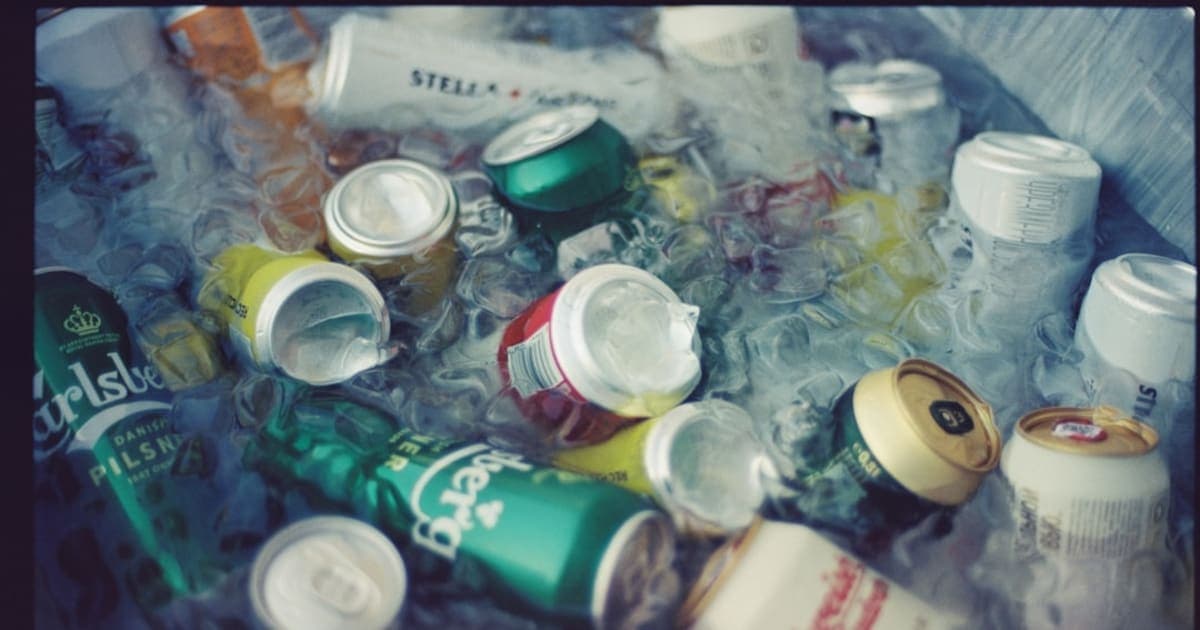
Can You Open a Soda Can on Shabbat?
It is Shabbat afternoon. You are thirsty. There is a cold can of soda in the fridge. Can you open it? This seemingly simple question touches on some of the most fascinating and practical areas of Shabbat law, involving multiple prohibited labor categories and generating serious halachic discussion that has engaged rabbis for generations.
The topic of opening bottles, cans, and packages on Shabbat is one that every Shabbat-observant household encounters regularly. Understanding the principles behind the rules will help you navigate the specifics with confidence and might even give you a new appreciation for how deeply Jewish law engages with the details of everyday life.
Which Melachot Are Involved?
Opening containers on Shabbat can potentially involve several of the 39 prohibited categories of creative work (melachot):
- Makeh B'Patish (completing a vessel): This is the melacha of putting the finishing touch on a manufactured item, essentially completing or creating a usable vessel. When you open certain containers, you might be transforming them from sealed packaging into a usable container.
- Koreia (tearing): Tearing materials, including packaging, plastic wrap, or paper, falls under this prohibition.
- Mechatech (cutting to a specific size): Cutting or tearing along a perforation or to a specific dimension can involve this melacha.
- Boneh (building): Creating or completing a structure, which some opinions apply to forming a functional container.
- Soter (demolishing): Destructive actions done for a constructive purpose can also be relevant.
The key question with any container is: when you open it, are you creating a new vessel, or are you simply accessing the food inside? This distinction drives most of the practical rulings.
Bottles: Wine, Soda, and Water
Screw-Top Bottles (Plastic and Metal Caps)
This is one of the most widely discussed topics in modern Shabbat law. When you unscrew a metal cap from a bottle for the first time, you are breaking the seal ring that connects the cap to the bottle. Before opening, the cap is not really a "cap" at all; it is part of the bottle's seal. After opening, it becomes a functional, reusable cap. Some authorities consider this to be "completing a vessel" (makeh b'patish).
Common practices:
- Open before Shabbat: The simplest solution is to open all bottles before Shabbat begins. This avoids the issue entirely and is recommended as the best practice, especially for wine and grape juice for Kiddush.
- Remove the cap completely: Some authorities permit opening the bottle on Shabbat if you remove the cap entirely and discard it (or at least do not plan to reuse it). When you are not creating a reusable cap, the concern about "completing a vessel" is greatly reduced.
- Pierce the cap first: Another approach is to puncture the cap before unscrewing it, which renders it non-functional as a cap.
Plastic screw caps that do not have a breakaway seal ring are generally less problematic, since the cap exists as a functional cap even before first opening.
Crown Caps (Beer Bottle Caps)
Crown caps (the type you remove with a bottle opener) are generally considered less problematic than screw caps because the cap is destroyed in the process of opening and cannot be reused. Since you are not creating a new usable vessel, most authorities permit removing crown caps on Shabbat. However, some still recommend opening these bottles before Shabbat when possible.
Cork Wine Bottles
Removing a cork from a wine bottle is generally permitted on Shabbat. The cork is already a separate, formed object, and pulling it out does not create anything new. You are simply accessing the contents. This is one reason some people specifically choose corked wine for Shabbat.
Cans: Soda, Tuna, and More
Pull-Tab Cans (Soda and Beer)
Opening a standard pull-tab soda or beer can is the subject of significant halachic debate:
- The lenient view: Many authorities permit opening pull-tab cans on Shabbat, reasoning that the can is not being fashioned into a useful vessel. You are simply tearing open a container to access its contents, and the can will be discarded after use.
- The stricter view: Some authorities are concerned that pulling the tab creates a functional opening (essentially a "spout") in the can, which could constitute completing a vessel.
- Best practice: If possible, open cans before Shabbat. If you need to open one on Shabbat, many rely on the lenient view, especially if you intend to pour out the contents and discard the can promptly.
Traditional Tin Cans (Requiring a Can Opener)
Using a manual can opener on Shabbat to open a tin can (such as tuna or vegetables) is more straightforward. Since you are essentially destroying the container to get at the food, and the opened can is not a useful vessel, most authorities are lenient. However, some recommend:
- Opening from the bottom of the can (to emphasize that you are not creating a usable container)
- Making an irregular opening rather than a clean, complete one
- Emptying the contents immediately and discarding the can
Packages and Wrappers
Chip Bags and Snack Packages
Tearing open a bag of chips or a sealed snack package involves the melacha of koreia (tearing). However, there are important distinctions:
- Tearing to access food (not along a printed line): Many authorities permit tearing open food packages on Shabbat when the tearing is done irregularly (not along a perforation or seam) and the purpose is solely to access the food inside. The package is being destroyed, not created.
- Tearing along perforations: This is more problematic because tearing along a predetermined line constitutes mechatech (cutting to size). Avoid using "tear here" perforations on Shabbat.
- Tearing through printed letters: Some authorities advise against tearing through printed text on a package, as this may involve mochek (erasing). Try to tear in an area without lettering.
Vacuum-Sealed Packages
Vacuum-sealed containers and packages can generally be opened by tearing them open irregularly. The same principles that apply to chip bags apply here.
Plastic Wrapping
Removing plastic wrap from a dish (such as a bowl of salad that was covered before Shabbat) is generally permitted. You are not creating or destroying anything meaningful; you are simply removing a temporary covering.
Sugar Packets, Ketchup Packets, and Similar Items
Individual condiment packets present their own question. The common practice is:
- Tear them open in an irregular manner (not along the perforated notch)
- Try not to tear through any printed text
- Use the contents immediately
Many authorities are lenient about these small, disposable packets since they are clearly temporary containers with no independent utility.
The Underlying Principle: Accessing Food vs. Creating Vessels
As you can see, a single question ("Can I open this on Shabbat?") can have a nuanced answer depending on the specific item. But the underlying principle is consistent: Shabbat prohibits creative activity. If your action in opening a container is essentially destructive (breaking open a package to get at food) rather than constructive (fashioning a new, useful vessel), it is far more likely to be permitted.
This is why the best practice for all containers is simple: open as much as possible before Shabbat. When you are preparing for Shabbat on Friday, add "open bottles and cans" to your checklist. Open the wine for Kiddush, open the soda cans, open the tuna for the salads. This small step of preparation eliminates virtually all the halachic questions and is a beautiful expression of honoring Shabbat through advance preparation.
Practical Summary: Quick Reference
| Container Type | On Shabbat? | Best Practice |
|---|---|---|
| Screw-top bottle (first opening) | Debated | Open before Shabbat |
| Crown cap (beer cap) | Generally permitted | Open before Shabbat if possible |
| Cork wine bottle | Permitted | Fine to open on Shabbat |
| Pull-tab soda can | Many permit | Open before Shabbat |
| Tin can (can opener) | Generally permitted | Open from bottom, discard can |
| Chip bag / snack package | Permitted if torn irregularly | Avoid perforations and text |
| Plastic wrap | Permitted | Simply remove |
| Condiment packet | Generally permitted | Tear irregularly |
When in Doubt
If you are unsure whether you can open a particular container on Shabbat, here are some guiding principles:
- Open it before Shabbat. This is always the safest option.
- Destroy rather than create. If you must open something on Shabbat, do so in a way that damages or destroys the container rather than creating a useful vessel.
- Do not tear along lines or perforations. Tear irregularly.
- Ask your rabbi. The laws of opening containers on Shabbat are detailed, and customs vary between communities. Your local rabbi can give you guidance specific to your community's practice.
These questions might seem small, but they reflect something beautiful about Shabbat observance: the willingness to bring mindfulness and intentionality to even the most mundane actions. Every time you think before opening a package on Shabbat, you are exercising the spiritual muscle of awareness, the very quality that Shabbat is designed to cultivate.