Seudah Shlishit: The Third Meal
Is There Really a Third Meal on Shabbat?
Most people know about the two big Shabbat meals: the festive Friday night dinner and the hearty Shabbat lunch. But there is a third meal that many newcomers to Shabbat do not even know exists, and ironically, it is the one that Jewish mystics considered the most spiritually powerful of all. It is called Seudah Shlishit (literally "the third meal"), and it takes place on Shabbat afternoon as the day begins its gentle descent toward evening.
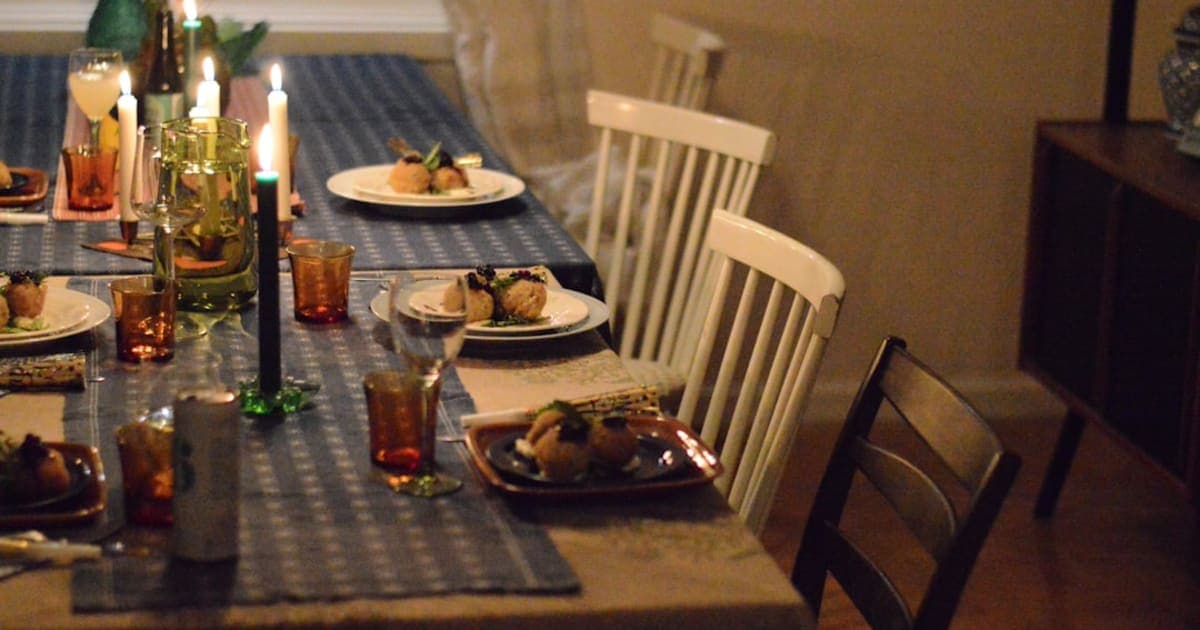
If the Friday night meal is a celebration and the Shabbat day meal is a feast, Seudah Shlishit is something different entirely. It is quieter, more intimate, more contemplative. The energy of Shabbat is at its deepest, and there is a bittersweet awareness that this precious day is drawing to a close. For those who have learned to appreciate it, Seudah Shlishit is the hidden gem of the Shabbat experience, a meal that nourishes the soul even more than the body.
Why Three Meals?
The obligation to eat three meals on Shabbat comes from the Torah itself, though not in the way you might expect. When describing the manna that fell in the desert, the Torah uses the word "today" three times in a single verse: "Eat it today, for today is Shabbat for God; today you will not find it in the field" (Exodus 16:25). The sages derived from this triple repetition that Shabbat requires three meals, one for each mention of "today."
This is more than a technical derivation. Three meals spread across Shabbat ensure that the entire day, from Friday evening through Saturday afternoon, is marked by festivity and honor. There is no point during Shabbat when too many hours have passed since the last special meal. The three meals create a rhythm of sanctity that covers the full twenty-five hours.
The three meals also correspond to the three patriarchs: Abraham, Isaac, and Jacob. The Friday night meal is associated with Abraham, who exemplified hospitality and welcoming guests. The Shabbat day meal is associated with Isaac, who represented strength and awe. And Seudah Shlishit is associated with Jacob, who embodied truth, synthesis, and inner harmony, qualities that perfectly match the contemplative mood of Shabbat afternoon.
When to Have Seudah Shlishit
The timing of Seudah Shlishit follows specific guidelines:
- After Mincha (the afternoon prayer): The ideal time for Seudah Shlishit is after the afternoon prayer service, which is typically recited in the latter part of Shabbat afternoon.
- After midday (halachic noon): The meal should be eaten after the halachic midpoint of the day. Eating it too early in the day does not fulfill the obligation, because it would be considered an extension of the morning meal rather than a separate third meal.
- Before sunset: The meal should begin before Shabbat ends, though it may extend past sunset and even past nightfall. If it does extend, we continue in the spirit of Shabbat.
In practice, most people eat Seudah Shlishit in the late afternoon, roughly an hour or two before Shabbat ends. In the winter, when Shabbat ends early, the timing can be tight. In the summer, when Shabbat stretches well into the evening, there is more flexibility. For more on summer Shabbat timing, see our article on making Shabbat early in summer.
What to Eat at Seudah Shlishit
Seudah Shlishit does not need to be an elaborate feast. After a full Friday night dinner and a substantial Shabbat lunch, most people are not particularly hungry. The meal is typically lighter and simpler, but it should still be treated as a real meal, not just a snack.
The Ideal: Bread
The highest level of fulfilling the mitzvah is to eat bread at Seudah Shlishit, which means making HaMotzi over two loaves (lechem mishneh) just as at the other Shabbat meals. This also triggers the obligation to recite Birkat Hamazon (Grace After Meals) with the special Shabbat addition.
If Bread Is Too Much
If you truly cannot manage bread (many people are quite full from the day meal), there are other options that still fulfill the obligation according to various authorities:
- Foods made from the five grains: Cake, crackers, cookies, or pastries made from wheat, barley, spelt, rye, or oats. The blessing mezonot is made over these.
- Fish or meat dishes: Some authorities allow fulfilling the obligation with substantial cooked foods even without bread.
- Fruit: In cases of genuine difficulty, even eating fruit can constitute a minimal form of Seudah Shlishit, though this is the least preferred option.
Classic Seudah Shlishit Foods
Over the centuries, various communities have developed their own Seudah Shlishit traditions. Here are some popular choices:
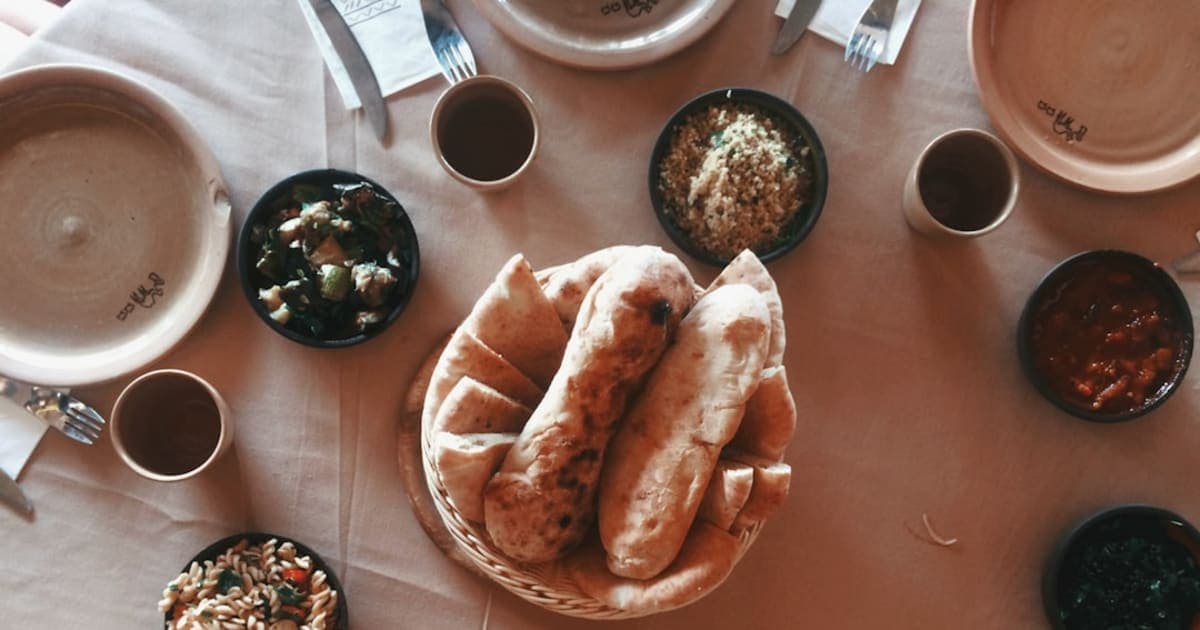
- Challah with salads and dips: A simple, light approach. Hummus, egg salad, tuna salad, and Israeli-style vegetable salads pair perfectly with challah.
- Fish: Herring, smoked salmon, or other prepared fish dishes are traditional in many Ashkenazi communities.
- Fruit and cake: Especially in the summer, when appetites are lighter, a selection of fruits and baked goods makes a pleasant meal.
- Leftovers from earlier meals: There is absolutely nothing wrong with enjoying leftover Shabbat foods at Seudah Shlishit. Cholent, kugel, and salads all work beautifully.
The Spiritual Dimension: Why the Mystics Loved Seudah Shlishit
While the Friday night and Shabbat day meals are widely appreciated, it is Seudah Shlishit that the Kabbalists and Chassidic masters treasured most. Why? Because of its unique spiritual quality.
The Time of Ratzon (Divine Favor)
Shabbat afternoon is considered an et ratzon, a time of special divine favor. The mystics teach that during these hours, the highest levels of spiritual energy are accessible. The upper worlds are in a state of maximum openness, and the prayers and intentions of this time have extraordinary power. Eating Seudah Shlishit during this window means participating in a meal that is infused with this elevated energy.
The Meal Beyond Hunger
There is a profound teaching that Seudah Shlishit derives its spiritual power precisely from the fact that we are not hungry when we eat it. The Friday night meal and Shabbat lunch are eaten when we naturally desire food. But Seudah Shlishit is eaten purely in honor of Shabbat, purely as a mitzvah. When we eat without physical hunger, the meal becomes entirely about the soul. It is the most "spiritual" meal of the week because the body's needs are already met, and we are eating solely to honor God and His Shabbat.
The Connection to Olam HaBa
The mystics connect Seudah Shlishit to the deepest level of the World to Come. If Shabbat as a whole is a taste of Olam HaBa, then Seudah Shlishit is the most concentrated drop of that taste. It corresponds to a spiritual reality that transcends even the joy of the first two meals, a place of pure intimacy between the soul and its Creator.
Singing at Seudah Shlishit
One of the most beautiful aspects of Seudah Shlishit is the singing. The zemirot (songs) sung at this meal are different in character from those of Friday night or Shabbat day. They tend to be slower, more meditative, and more emotionally deep. Some of the most beloved melodies in the Jewish musical tradition are Seudah Shlishit niggunim (wordless melodies).
In many communities, particularly Chassidic ones, the singing at Seudah Shlishit can last for an hour or more. The room grows dark as the sun sets (no one turns on lights, as Shabbat is still in effect), and in the gathering twilight, voices rise and fall together in song. It is an experience that many people describe as one of the most moving and spiritual moments of their lives.
Common songs for Seudah Shlishit include:
- Mizmor L'David (Psalm 23) - "The Lord is my shepherd"
- Yedid Nefesh - "Beloved of the soul," a mystical love poem to God
- Various niggunim (wordless melodies) that create a mood of longing and spiritual elevation
Seudah Shlishit in the Community
Many synagogues host a communal Seudah Shlishit between the afternoon (Mincha) and evening (Maariv) services. This is a wonderful option for several reasons:
- It creates a sense of community during a time that might otherwise be lonely, especially for people living alone.
- The communal singing is often more powerful and inspiring than what can be achieved at home.
- A rabbi or community member often shares a short Torah thought, adding an intellectual and spiritual dimension to the meal.
- It is a natural way to transition from Shabbat afternoon into Havdalah and the beginning of the new week.
Practical Tips for Making Seudah Shlishit Special
- Plan ahead. If you know Seudah Shlishit is coming, do not overeat at the Shabbat day meal. Leave room for one more meal.
- Keep it simple. You do not need to cook a third elaborate meal. Simple, prepared-in-advance foods work perfectly.
- Set a time. Especially in the winter when Shabbat ends early, it is easy to miss Seudah Shlishit entirely. Set a mental reminder to eat the third meal before Shabbat ends.
- Invite someone to join you. Seudah Shlishit is even more meaningful when shared. Even one additional person at the table changes the dynamic.
- Sing. Even if you know only one melody, sing it. The atmosphere of Seudah Shlishit lends itself to music in a way that no other meal does.
- Share a Torah thought. A short insight, a question from the weekly portion, or a meaningful story can elevate the meal from pleasant to profound.
The Meal That Says Goodbye
There is something uniquely poignant about Seudah Shlishit. It is the last meal of Shabbat, the final opportunity to sit at the Shabbat table, to eat in honor of this sacred day, and to bask in its light before the week returns. Every Seudah Shlishit carries within it a gentle farewell: goodbye to the peace of Shabbat, goodbye to the extra soul that has been with us since Friday night, goodbye to this particular encounter with the sacred.
But it is a farewell laced with hope. Shabbat will return in just six days. And in the meantime, the spiritual energy absorbed during these final, luminous hours of Shabbat, especially during the quiet, soulful experience of Seudah Shlishit, will sustain us through whatever the week may bring. Do not skip the third meal. It might just be the most important one.