Shabbat as a Taste of the World to Come

What Would It Feel Like to Experience Paradise Once a Week?
Imagine being told that every seven days, you could step out of ordinary life and enter a world of perfect peace, deep joy, and genuine connection. No deadlines. No anxiety. No rushing. Just the purest experience of being alive, surrounded by the people you love, nourished in body and soul. It sounds like a fantasy, but Jewish tradition teaches that this is exactly what Shabbat offers.
The Talmud makes a stunning claim: Shabbat is me'ein Olam HaBa, a taste of the World to Come. This is not a metaphor or a nice sentiment. The sages understood Shabbat as an actual foretaste of the ultimate spiritual reality that awaits the soul. Every Friday evening, when the candles are lit and the weekday world recedes, a doorway opens to something eternal. The question is: how do we walk through it?
What Is the World to Come?
Before we can understand how Shabbat connects to the World to Come, we need to understand what Olam HaBa actually means. In Jewish thought, the World to Come is not simply "heaven" as it is often understood in Western culture. It is a state of existence where the soul experiences the full, unobstructed presence of God. It is a reality of pure goodness, clarity, and peace, where all the struggles and confusions of this world fall away.
The sages describe it as a state where the righteous "sit with crowns on their heads, basking in the radiance of the Divine Presence." The "crowns" represent the spiritual achievements of a lifetime, and the "radiance" is the infinite light of connection to the Creator. There is no hunger, no jealousy, no competition, just the deepest possible satisfaction and joy.
This may sound abstract, but Jewish tradition teaches that we do not need to wait until after death to get a glimpse of this reality. Shabbat gives us access to it right now, every single week.
How Shabbat Creates a Taste of Paradise
What makes Shabbat a genuine foretaste of the World to Come rather than just a nice day off? Several key elements work together to create this experience:
The Absence of Creative Work
In the World to Come, there is no need to labor, strive, or struggle. Everything is complete and whole. On Shabbat, when we cease from the 39 categories of creative work, we enter a similar state. We stop trying to change the world and instead accept it as it is. This might seem like a small thing, but it produces a profound shift in consciousness. When you truly stop doing and simply exist, a kind of inner peace opens up that is remarkably close to what the sages describe as the World to Come.
The Extra Soul
Jewish tradition teaches that every person receives a neshama yetera, an additional soul, on Shabbat. This extra soul gives us an expanded capacity for spiritual experience, deeper enjoyment of physical pleasures, and a heightened sensitivity to the sacred. It is as if, for twenty-five hours, we become a more complete version of ourselves, closer to the spiritual beings we will be in the World to Come.
Elevated Physical Pleasures
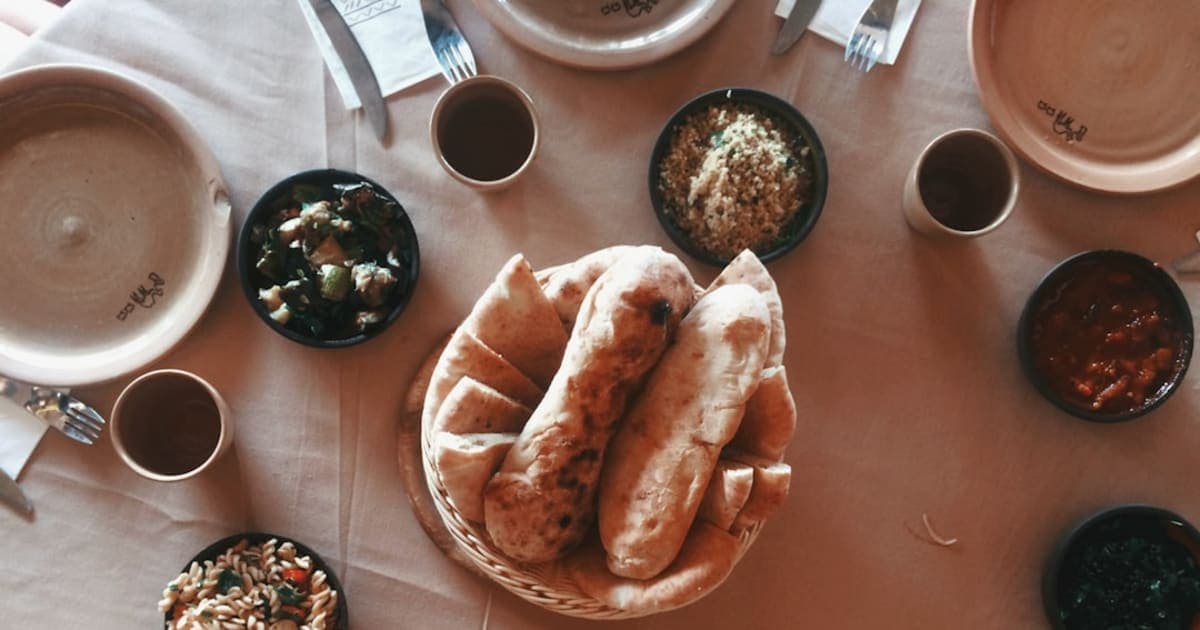
One of the most distinctive features of Shabbat is that physical pleasure is not only permitted but required. We are commanded to eat delicious food, drink wine, wear beautiful clothes, and enjoy marital intimacy. In Jewish thought, the World to Come is not a disembodied spiritual state. It involves the complete elevation of all aspects of existence, including the physical. On Shabbat, when we enjoy a beautifully prepared Shabbat meal with the intention of honoring the day, physical pleasure becomes a spiritual act. This is the paradigm of the World to Come: matter and spirit perfectly united.
Community and Connection
The World to Come is described as a state of perfect harmony between souls. On Shabbat, we experience a taste of this through the deep connections we build at the Shabbat table, in the synagogue, and in our homes. The practice of hosting guests (hachnasat orchim) on Shabbat is especially significant. When we welcome others into our homes, share food and conversation, and create an atmosphere of warmth and belonging, we build a miniature version of the harmonious world that awaits us.
The Three Shabbat Meals and Their Spiritual Dimensions
The three required Shabbat meals are not just about eating. Each one corresponds to a different spiritual dimension and together they create a complete experience of Olam HaBa:
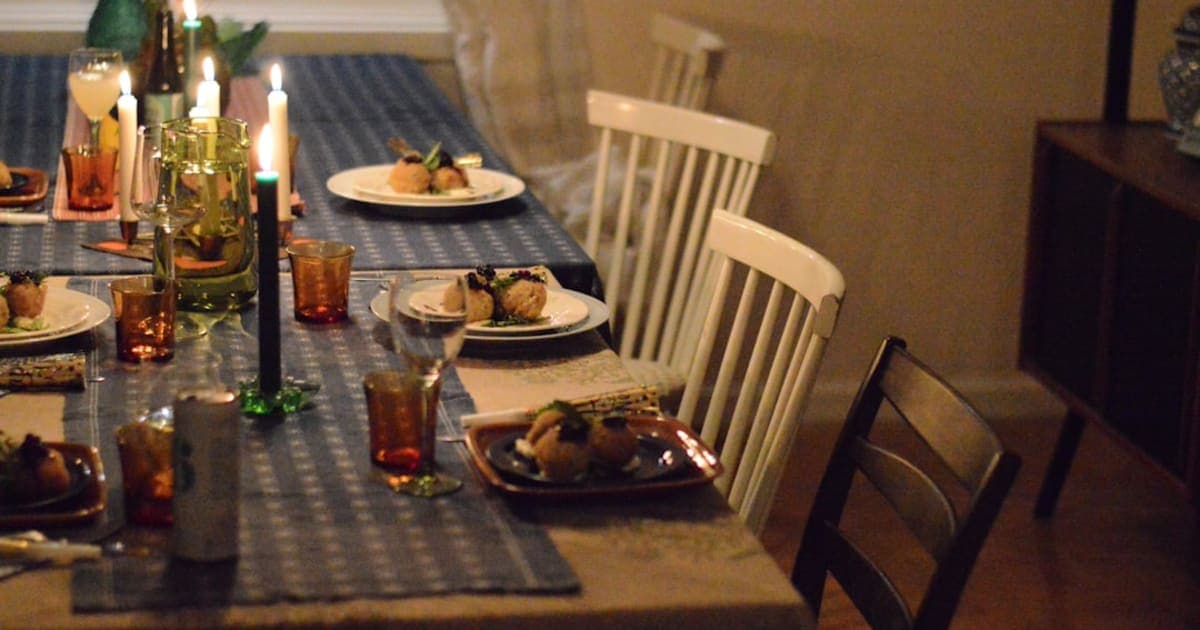
- Friday Night Meal (Seudat Leil Shabbat): This is the meal of joy and welcome. The table is set beautifully, Kiddush is recited over wine, and the family gathers to celebrate the arrival of Shabbat. The energy is festive and warm. This meal corresponds to the joy of entering the World to Come, the moment when all the labor of a lifetime gives way to eternal reward.
- Shabbat Lunch (Seudat Yom Shabbat): The daytime meal, often following morning synagogue services, has a quality of settled contentment. The initial excitement of Friday night gives way to a deeper, more grounded experience of Shabbat peace. This meal corresponds to the steady, enduring bliss of the World to Come, not just the first flash of joy, but the sustained experience of goodness.
- Seudah Shlishit (The Third Meal): Eaten on Shabbat afternoon as the day begins to wane, this is considered by the mystics to be the most spiritually elevated meal of Shabbat. It carries a quality of deep intimacy and tenderness. The songs are gentle, the atmosphere is contemplative, and there is a bittersweet awareness that Shabbat is drawing to a close. This meal corresponds to the deepest level of the World to Come, a realm of such pure spirituality that it transcends even joy.
Shabbat Prayer: Accessing Higher Worlds
The prayers of Shabbat are different from weekday prayers in both content and tone. During the week, we make requests of God: heal us, sustain us, protect us. On Shabbat, we do not make requests. Instead, we praise, thank, and simply dwell in God's presence. This shift mirrors the World to Come, where there is nothing left to ask for because everything is already perfect.
The Shabbat morning Amidah includes the words: "Those who observe Shabbat and call it a delight shall rejoice in Your kingdom." The "kingdom" referenced here is the World to Come. By observing Shabbat, we are not just following rules. We are actively participating in a reality that transcends this world.
The Friday night service of Kabbalat Shabbat, with its soaring melodies and the beloved poem Lecha Dodi, is itself an experience that lifts the soul beyond the ordinary. When an entire congregation rises and turns toward the entrance to welcome the Shabbat bride, there is a collective elevation that gives everyone present a genuine taste of something transcendent.
Why Does God Give Us This Gift?
The Talmud records a remarkable teaching: God told Moses, "I have a precious gift in My treasure house, and its name is Shabbat, and I wish to give it to Israel." Shabbat is described not as a commandment imposed from above but as a treasure that God lovingly shares with His people.
Why would God give us a taste of the World to Come every week? Several reasons emerge from Jewish thought:
- Motivation: Experiencing a taste of paradise gives us the motivation to keep striving for spiritual growth. When you know what the destination feels like, the journey becomes easier.
- Sustenance: The spiritual energy we receive on Shabbat literally sustains us through the challenges of the week. Without this weekly infusion of holiness, the soul would become depleted.
- Training: Shabbat trains us for the World to Come. By practicing the art of receiving, of being present, of enjoying without grasping, we develop the spiritual capacity to experience Olam HaBa when the time comes.
- Love: Ultimately, Shabbat is an expression of God's love for the Jewish people. A parent gives their child a gift not because the child earned it, but because the parent delights in the child's happiness.
The Havdalah Moment: Leaving Paradise
If Shabbat is a taste of the World to Come, then Havdalah is the bittersweet moment of departure. As the first three stars appear on Saturday night, we light the braided candle, smell the spices, and recite the blessing over wine, formally separating the holy from the ordinary.
The spices at Havdalah serve a specific spiritual purpose. As the extra soul departs with Shabbat, we are left diminished. The fragrant spices comfort and revive the remaining soul, easing the transition back into the workweek. It is like a gentle embrace from a departing friend, a promise that Shabbat will return in just six short days.
Many communities extend the Shabbat experience with a Melave Malka, a post-Shabbat meal that "escorts the queen" as she departs. This beautiful custom helps us carry a spark of Shabbat's energy into the new week, ensuring that the taste of paradise does not fade too quickly.
How to Deepen Your Experience
If you want to experience Shabbat as more than just a day off and begin to taste the World to Come, here are some suggestions:
- Prepare with intention. The more thought and care you put into preparing for Shabbat, the more you will feel when it arrives. Cook foods you love, set a table that feels special, and mentally transition from "work mode" to "Shabbat mode" before candle-lighting.
- Disconnect completely. A partial digital detox is not the same as a full one. Commit to putting away all screens for the full twenty-five hours and notice how your awareness shifts.
- Attend synagogue. There is something about communal prayer and singing that amplifies the Shabbat experience enormously. Even if you are not used to regular attendance, try it for a few weeks and see what happens.
- Invite guests or accept an invitation. Shabbat is best experienced in community. If you are new to Shabbat observance, accepting an invitation to someone else's Shabbat table can be life-changing.
- Learn Torah at the table. Share a thought, a question, or a story related to the weekly Torah portion. This transforms the meal from a nice dinner into a sacred gathering.
- Be present. The greatest gift of Shabbat is presence. Be fully where you are. Listen deeply. Taste every bite. Notice the faces of the people you love. This is what the World to Come feels like: total, undistracted presence with what matters most.
A Weekly Appointment with Eternity
We live in a world that is constantly pulling us toward the next thing, the next task, the next notification, the next worry. Shabbat offers something radically countercultural: an appointment with eternity that arrives every seven days whether we are ready or not. It is a standing invitation to step out of time as we know it and enter a dimension where peace, joy, and connection are not things we have to earn but gifts we are invited to receive.
The World to Come is not just something that happens later. Through Shabbat, it is happening right now. Every Shabbat table that glows with candlelight, every Kiddush cup raised in blessing, every family gathered in peace, every song that rises from grateful hearts, these are all fragments of paradise, scattered generously through our lives by a God who wants us to know what eternal goodness tastes like.
All you need to do is accept the invitation.