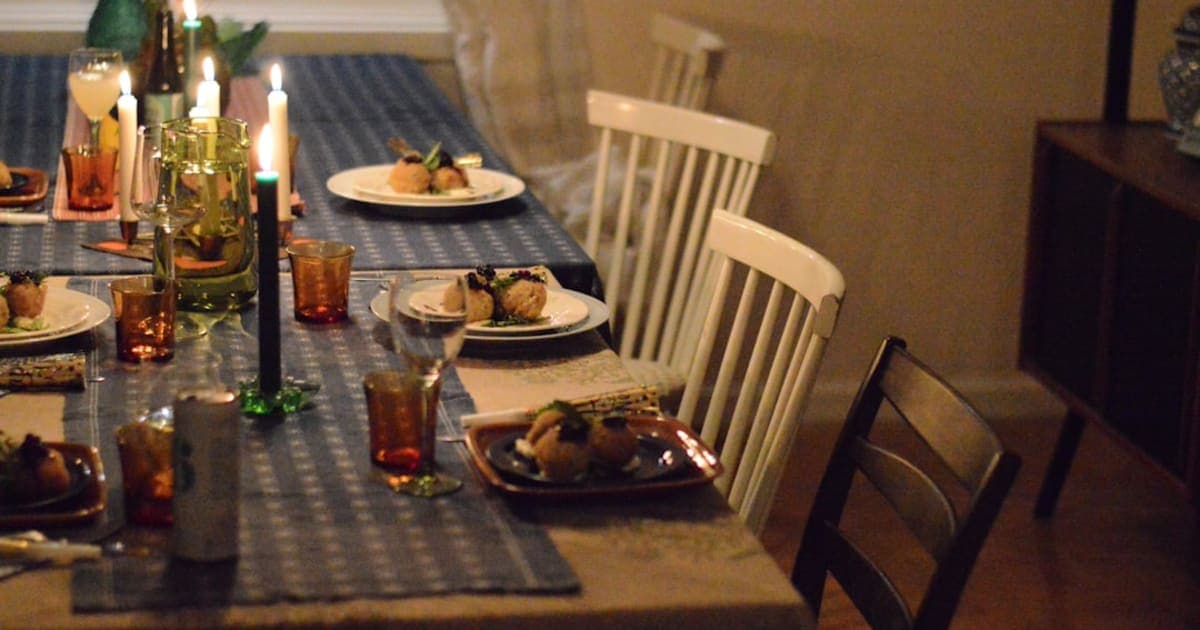
The Shabbat Nap (Shlaf)

When Was the Last Time You Napped Without Feeling Guilty?
In a culture that celebrates hustle and treats rest as a reward for productivity, the Shabbat nap stands as a quiet revolution. Every Shabbat afternoon, in Jewish homes around the world, a beautiful thing happens: people lie down, close their eyes, and sleep. Not because they are lazy. Not because they have nothing better to do. But because rest itself is considered a holy act, a way of honoring God, honoring Shabbat, and honoring the body and soul He gave us.
The Shabbat nap, known affectionately in Yiddish as the shlaf, is one of the most beloved and cherished aspects of Shabbat life. Ask any Shabbat-observant person what they look forward to most each week, and there is a good chance the Shabbat nap will be near the top of the list, right alongside the Shabbat meals and Kiddush.
The Spiritual Significance of Shabbat Rest
The Torah commands us to rest on Shabbat, and Jewish tradition understands this command broadly. It includes not only refraining from work (the 39 melachot) but also actively engaging in physical rest and pleasure. The concept of oneg Shabbat (Shabbat delight) encompasses everything that makes the day enjoyable: delicious food, beautiful clothes, time with family, and yes, sleep.
The sages teach that sleep on Shabbat is a form of ta'anug (pleasure/delight), which is itself a mitzvah. When you nap on Shabbat, you are not checking out of religious life; you are checking in. You are fulfilling the Torah's vision of Shabbat as a day of complete rest, not just rest from work, but rest in its fullest, most rejuvenating sense.
The Extra Soul Needs Rest Too
Jewish mystical tradition teaches that each person receives a neshama yetera (extra soul) on Shabbat. This additional spiritual dimension enhances our capacity for joy, spiritual experience, and deep rest. The Shabbat nap allows both the regular soul and the extra soul to experience a level of peace and restoration that is not available during the week.
Some mystics explain that during the Shabbat nap, the soul ascends to higher spiritual realms, receiving nourishment and inspiration that it brings back into waking life. Whether you understand this literally or poetically, the experience is real: many people report that their Shabbat nap is qualitatively different from any other sleep, deeper, more refreshing, and more peaceful.
The Shabbat Nap Tradition Through History
The Shabbat nap is not a modern invention. Jewish sources throughout the centuries reference the custom of sleeping on Shabbat afternoon as a standard part of the day:
- The Talmud discusses the importance of physical pleasure on Shabbat, with sleep listed as one of the legitimate pleasures of the day.
- Maimonides (Rambam) describes the ideal Shabbat schedule as including a meal after morning services followed by rest, then study and the afternoon meal.
- The Shulchan Aruch (the primary code of Jewish law) mentions sleep as part of the Shabbat afternoon routine.
- Chassidic tradition elevated the Shabbat nap to near-mystical status, with some masters teaching that the quality of Shabbat sleep was uniquely connected to the spiritual energy of the day.
In Eastern European Jewish communities, the Shabbat afternoon pattern was well established: a large meal after synagogue, a nap, Torah study, Seudah Shlishit (the third meal), and then Havdalah. The nap was so integral to this rhythm that a Shabbat without it would have felt incomplete.
The Health Benefits of the Shabbat Nap
Modern science has caught up with what Jewish tradition has known for millennia: regular rest is essential for physical and mental health. The weekly Shabbat nap offers benefits that go far beyond feeling refreshed for a few hours:
Stress Reduction
Chronic stress is one of the leading health threats in modern life. The Shabbat nap, combined with the broader context of Shabbat rest (no work, no screens, no emails), provides a deep reset for the nervous system. Research shows that even a single afternoon nap can significantly reduce cortisol (the stress hormone) levels and lower blood pressure.
Cognitive Restoration
Sleep plays a crucial role in memory consolidation, problem-solving, and creative thinking. A Shabbat nap allows the brain to process and organize the week's experiences, leading to clearer thinking and better decision-making in the week ahead.
Emotional Regulation
Sleep deprivation is strongly linked to irritability, anxiety, and emotional volatility. The weekly opportunity to catch up on sleep helps maintain emotional equilibrium and improves relationships, which is especially valuable for family life and the peaceful atmosphere that Shabbat is meant to create.
Physical Recovery
The body heals and repairs during sleep. For people with physically demanding weeks, the Shabbat nap provides a regular recovery period that supports long-term health. Even for those with sedentary jobs, the rest allows muscles to relax and the body to reset after a week of tension and poor posture.
The Art of the Perfect Shabbat Nap
Not all naps are created equal. Here are some tips for making the most of your Shabbat shlaf:
Timing
- After the Shabbat day meal: The natural time for the Shabbat nap is after the morning services and the main Shabbat lunch. The combination of a satisfying meal, good company, and the peace of Shabbat creates the perfect conditions for sleep.
- Duration: There is no required length for the Shabbat nap. Some people nap for 30 minutes; others sleep for two hours or more. The goal is to rest until you feel refreshed, not to follow a rigid schedule.
- Leave time for the day: Remember that there is more Shabbat to enjoy after the nap: Torah study, a Shabbat walk, Seudah Shlishit, and the beautiful closing hours of the day. Do not sleep the entire afternoon away (unless you truly need it).
Setting
- A comfortable bed or couch: You are honoring Shabbat by treating your body well. Use your most comfortable spot.
- The right temperature: Use Shabbat timers to manage heating or cooling so your napping environment is comfortable.
- Quiet: If you have young children, this might require some coordination. Many couples take turns napping while the other watches the kids. In families with older children, quiet reading time after lunch can allow everyone, including parents, to rest.
Mindset
- Give yourself permission. This is the most important tip. In a world that tells us we should always be doing something productive, giving yourself permission to nap is an act of spiritual courage. You are declaring that rest has value, that you do not need to earn your relaxation, and that Shabbat is a gift meant to be enjoyed.
- Do not set an alarm. One of the unique pleasures of the Shabbat nap is waking naturally. Without phones, alarms, or scheduled obligations, you can sleep until your body tells you it is done. (If you need to wake by a certain time for Mincha services, ask a family member to wake you.)
- Feel no guilt. The Shabbat nap is a mitzvah. You are doing something good. Let go of any voice in your head that says you should be doing something else. Right now, this is what you should be doing.
The Shabbat Nap and Family Life
For families with children, the Shabbat nap can be both a blessing and a logistical challenge. Here are some strategies that families use:
- Quiet time for everyone: Establish a family "quiet time" after lunch. Even children who do not nap can spend time looking at books, playing quietly, or doing puzzles. This gives parents a chance to rest.
- Staggered naps: One parent naps while the other is with the children, then they switch.
- Nap together: Some families (especially with young children) have a family nap time, with everyone lying down in the living room or piling into the parents' bed. These can become some of the coziest family memories of childhood.
- Older children read: Shabbat-appropriate books and activities can keep older children happily occupied during nap time.
The Shabbat Nap vs. Weekday Naps
People who take Shabbat naps regularly often report that they are qualitatively different from any other nap. Several factors contribute to this:
- No screens before bed: On Shabbat, you have not been staring at a phone or laptop. This means your brain is not overstimulated by blue light and rapid-fire information, allowing for deeper and more restful sleep.
- No anxiety about what comes next: There are no emails to check, no work to return to, no errands to run. The Shabbat nap exists in a bubble of peace, free from the mental load that plagues weekday rest.
- A full stomach of good food: The combination of a delicious, satisfying meal and the warm afterglow of good conversation creates a physical and emotional state that is perfectly conducive to restful sleep.
- The spiritual dimension: Whether or not you are consciously aware of it, the spiritual energy of Shabbat, the neshama yetera, the atmosphere of holiness, contributes to a deeper quality of rest.
Famous Jewish Thinkers on Rest
Rabbi Abraham Joshua Heschel, in his classic work The Sabbath, wrote beautifully about the idea that Shabbat is a "palace in time" built not with bricks and mortar but with moments of rest, prayer, and joy. The Shabbat nap fits perfectly into this vision: it is one of the rooms in the palace, a chamber of peace and renewal that exists only within the sacred architecture of Shabbat time.
The Chassidic master Rabbi Nachman of Breslov taught that sleep has the power to heal and restore not just the body but the soul. Troubles and worries that seem insurmountable when we are awake can dissolve during sleep, as the soul ascends to receive fresh clarity and strength. On Shabbat, when the spiritual channels are especially open, this restorative power is amplified.
The Countercultural Power of Rest
In an age of 24/7 productivity, sleep optimization apps, and the glorification of "hustle culture," the Shabbat nap is profoundly countercultural. It says: you do not have to earn your rest. It says: your value is not determined by your output. It says: God Himself rested on the seventh day, and so should you.
This is not passivity. It is an act of faith. When you lie down for a Shabbat nap, you are trusting that the world will continue without your constant intervention. You are declaring that Shabbat is more important than productivity, that being is more important than doing, and that the gift of rest is worth receiving.
So this Shabbat, after the meal is done and the songs have been sung, find your favorite spot, lie down, close your eyes, and rest. You have earned it. Actually, you have not, and that is the point. The rest is a gift. Take it.