What Is a Synagogue?
What Actually Happens Inside a Synagogue?
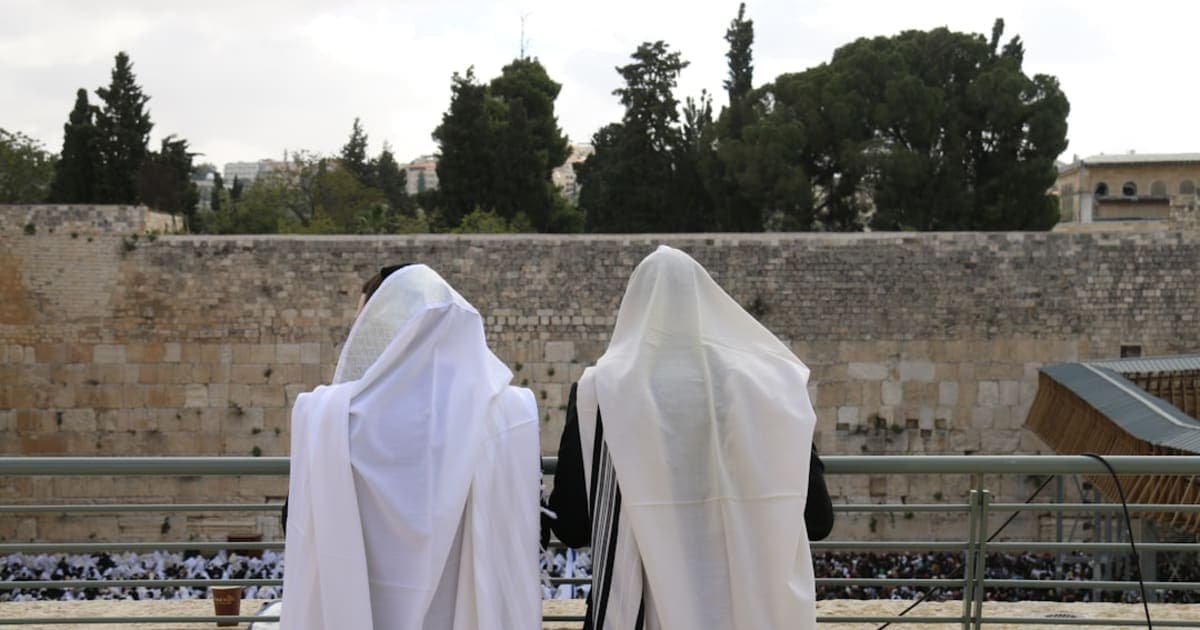
If you have never been inside a synagogue, you might imagine something mysterious or intimidating. In reality, a synagogue is one of the warmest, most welcoming places you will find. It is where Jews come to pray, learn, celebrate milestones, support each other through difficult times, and simply be together as a community.
The Hebrew word for synagogue is beit knesset, which means "house of gathering." That name tells you a lot about what a synagogue is at its core -- a place where people come together. It is also called a beit tefillah (house of prayer) and a beit midrash (house of study), reflecting its three main functions.
The Three Roles of a Synagogue
A House of Prayer
The most well-known function of a synagogue is as a place of prayer. Three daily prayer services are held: Shacharit (morning), Mincha (afternoon), and Maariv (evening). On Shabbat and holidays, special services include the weekly Torah reading and additional prayers.
Certain prayers -- including the Torah reading, Kaddish, and some responsive prayers -- require a minyan (a quorum of ten men). This is why communal prayer in a synagogue is valued so highly: it enables the full range of Jewish worship.
A House of Study
Torah study is a central value in Judaism, and synagogues typically host regular classes, study groups, and lectures. Many communities have daily study sessions before or after morning prayers. Whether you are a beginner or an advanced learner, there is usually something available for you.
A Community Center
Synagogues are places where life happens. Bar and bat mitzvahs, weddings, baby namings, holiday celebrations, Shabbat meals, and community gatherings all take place in or around the synagogue. It is also where people turn in times of difficulty -- during illness, loss, or personal challenges -- knowing they will find support.
What You Will Find Inside
The Aron Kodesh (Holy Ark)
The focal point of every synagogue is the Aron Kodesh -- the Holy Ark, a cabinet or alcove at the front of the sanctuary that houses the Torah scrolls. The ark is typically set into the wall facing Jerusalem, and the congregation faces it during prayer.
The Bimah (Reading Platform)
The bimah is a raised platform where the Torah is read aloud. In Ashkenazi synagogues, the bimah is often in the center of the room; in some Sephardic traditions, it may be at the front.
The Ner Tamid (Eternal Light)
Above or near the ark, you will see a lamp that burns continuously -- the ner tamid (eternal light). It symbolizes God's constant presence and the eternal nature of the Torah.
Seating
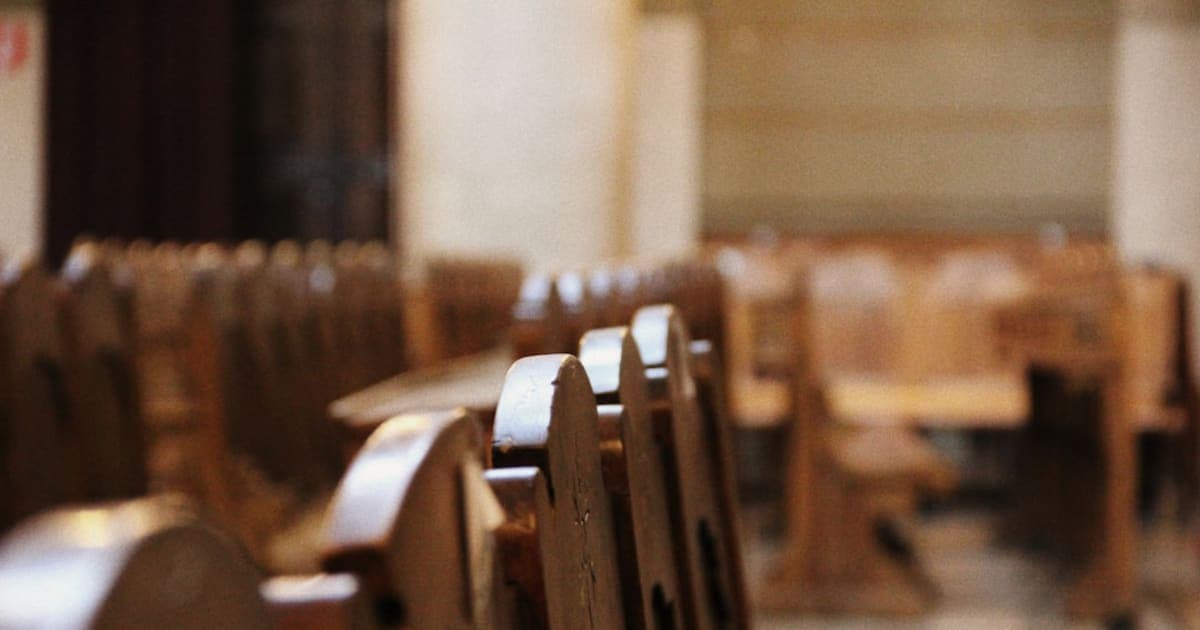
In Orthodox synagogues, men and women sit separately, with a partition (mechitzah) between them. This separation is meant to help worshippers focus on prayer without distraction.
What to Expect at Your First Visit
Visiting a synagogue for the first time can feel unfamiliar, but most communities are genuinely delighted when newcomers walk through the door. Here are some tips:
- Dress modestly: For men, wear a kippah (head covering) -- most synagogues have extras at the entrance. Women should dress modestly (covering shoulders and knees).
- Arrive a few minutes early: This gives you time to find a seat and get oriented.
- Do not worry about following along perfectly: It is completely fine to just listen, observe, and absorb. If someone nearby notices you are new, they will likely help you find the right page.
- Silence your phone: This is respectful in any house of worship and essential on Shabbat.
- Stay for Kiddush: After Shabbat morning services, many synagogues serve refreshments (Kiddush). This is a great time to meet people and feel welcomed.
Types of Synagogues
Jewish synagogues vary widely in style, size, and custom:
- Ashkenazi synagogues follow the customs of Jews from Central and Eastern Europe.
- Sephardi synagogues follow the customs of Jews from Spain, North Africa, and the Middle East.
- Yemenite, Persian, and other communities each have their own distinctive melodies, customs, and traditions.
- Chabad houses are welcoming centers run by Chabad rabbis and their families, often geared toward outreach and welcoming Jews of all backgrounds.
Each has its own flavor, but the core elements -- prayer, Torah reading, and community -- are shared by all.
Finding a Synagogue
If you are looking for a synagogue to visit, here are some ways to find one:
- Search online for "Orthodox synagogue near me" or "Chabad near me"
- Visit Chabad.org to find a Chabad center in your area
- Ask Jewish friends or colleagues for recommendations
- Look for synagogues that offer beginner-friendly programs or newcomer events
If you feel unsure about walking in alone, consider reaching out to the rabbi ahead of time. Most rabbis are happy to meet newcomers, give a brief tour, and help you feel comfortable. Our article on finding a rabbi or mentor can help with this.
More Than a Building
A synagogue is not just a building -- it is a community. It is where friendships form, where children grow up surrounded by Jewish life, where people celebrate their happiest moments and find comfort in their hardest ones. It is where you hear the Torah read, where you sing on Shabbat, and where you feel that you are part of something much larger than yourself.
If you have been thinking about visiting a synagogue, consider this your invitation. Walk through the door. You might be surprised by how quickly it starts to feel like home.