What Is the Mikvah?
What Is This Ancient Practice That Jews Have Maintained for Thousands of Years?
Of all the practices in Jewish life, the mikvah may be one of the least understood -- and one of the most profound. A mikvah is a ritual bath used for spiritual purification. It is not about physical cleanliness (you shower thoroughly before entering). Rather, immersion in a mikvah marks a spiritual transition -- a passage from one state of being to another.
The mikvah has been central to Jewish life since biblical times. Archaeological evidence shows mikvaot (the plural of mikvah) in ancient Israel dating back thousands of years. Today, virtually every Jewish community in the world has at least one mikvah, and the tradition teaches that building a mikvah takes priority even over building a synagogue. That is how important it is.
How Does a Mikvah Work?
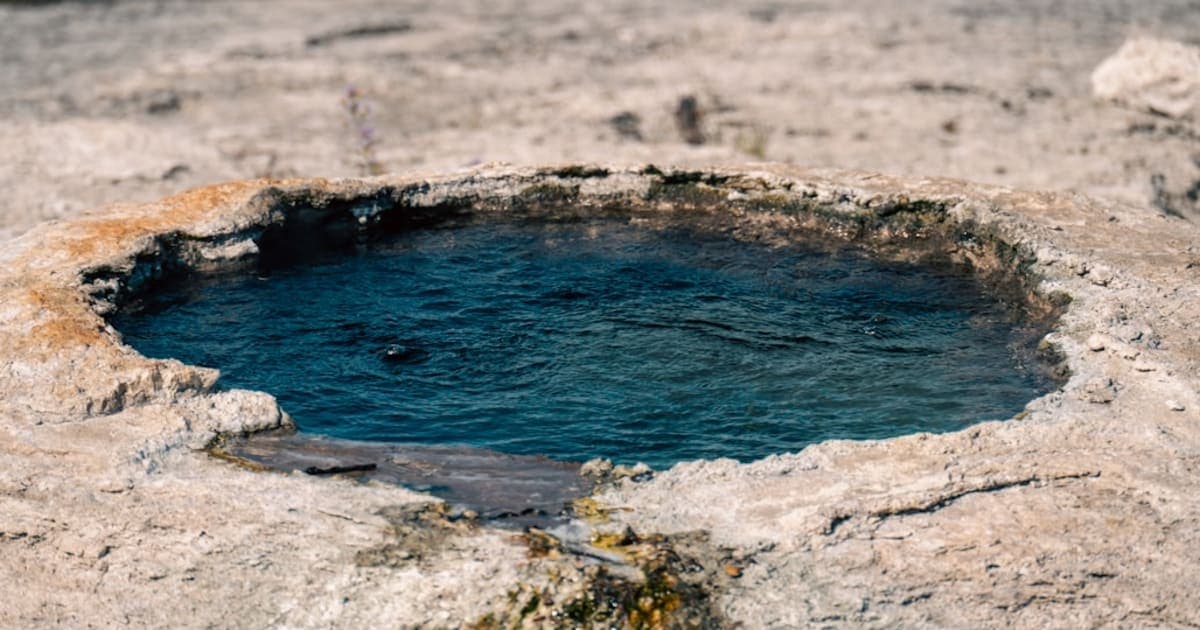
A mikvah is a specially constructed pool that contains a required amount of natural water -- usually rainwater that has been collected and channeled according to specific halachic requirements. The pool is typically heated to a comfortable temperature and maintained with high standards of hygiene.
Immersion involves submerging your entire body in the water at once, so that every part of you is surrounded by the mikvah waters. This is done without any barriers between you and the water -- no clothing, jewelry, nail polish, or anything else that would separate your body from the water.
Who Uses the Mikvah?
Married Women
The most well-known use of the mikvah is by married women as part of the laws of taharat hamishpacha (family purity). These laws govern the intimate relationship between husband and wife, creating a monthly cycle of separation and reunion that many couples describe as deeply enriching for their marriage.
After each menstrual period and a count of seven clean days, a married woman immerses in the mikvah. This immersion marks the transition from a state of niddah (separation) back to a state where physical intimacy is permitted. Far from being a burden, many women describe the mikvah experience as one of the most spiritual and empowering moments of their month.
Converts to Judaism
Immersion in a mikvah is a required step in the conversion process. For a convert, the mikvah represents rebirth -- emerging from the water as a new member of the Jewish people. It is often described as one of the most emotionally powerful moments in a convert's journey.
Brides Before Marriage
A bride traditionally immerses in the mikvah before her wedding, symbolizing the new chapter she is about to begin.
Men
While not as widely practiced, many observant men immerse in a mikvah as well -- particularly before Shabbat, before holidays, and especially before Yom Kippur. This is considered a custom rather than an obligation, but it is valued as a way of entering sacred time in a state of spiritual readiness.
New Utensils
The mikvah is also used for immersing new dishes and utensils purchased from non-Jewish manufacturers. This is a separate mitzvah that applies to metal and glass cooking and eating utensils.
What to Expect at the Mikvah
If you have never been to a mikvah before, the experience can feel mysterious. Here is what typically happens:
- Preparation: Before immersion, you take a thorough shower or bath. You remove all jewelry, contact lenses, nail polish, and anything else that might create a barrier. You comb your hair so there are no tangles.
- Immersion: You enter the mikvah pool and submerge completely. A female attendant (for women's immersions) is present to verify that the immersion is complete.
- Blessings: After immersing once, you say the blessing for immersion while standing in the water, then immerse once or twice more (customs vary).
- Emergence: You come out of the water and dry off. Many women describe feeling a profound sense of renewal and peace after immersion.
The Spiritual Meaning of Mikvah
Water in Jewish tradition symbolizes the source of all life. The Torah describes the spirit of God hovering over the waters at the beginning of creation. The mikvah, with its natural waters, connects us to that primal source.
Immersion represents:
- Renewal: Emerging from the mikvah is like being reborn -- stepping into a fresh spiritual state.
- Transition: The mikvah marks the boundary between different states of being, much like Havdalah marks the boundary between Shabbat and the week.
- Surrender: Submerging completely in water requires a moment of vulnerability and trust. You let go of control and allow yourself to be enveloped.
- Connection to creation: The natural water of the mikvah connects you to the natural world and to God's creative power.
Common Questions
Is the mikvah hygienic?
Modern mikvaot are maintained to very high standards of cleanliness. The water is filtered and treated, and the facility is cleaned regularly. You shower thoroughly before entering, so the water remains clean.
Is it private?
Absolutely. Women's mikvaot are designed with complete privacy in mind. Each woman has a private preparation room and enters the mikvah alone (with only a trained attendant present for the immersion itself).
Do I need to know how to swim?
No. The mikvah pool is typically shallow enough to stand in -- usually about chest to shoulder height. You walk down steps into the water.
What if I am nervous?
That is completely normal, especially the first time. The mikvah attendant is there to help and make you comfortable. Many mikvaot also have experienced women who can walk you through the process beforehand.
The Mikvah and Jewish Life
The mikvah is one of those practices that, from the outside, might seem merely ritualistic. But for those who experience it, it is often deeply transformative. It offers a regular opportunity for spiritual renewal that few other practices can match.
Whether you encounter the mikvah through the laws of family purity, through conversion, or through preparation for a life milestone, know that you are participating in one of Judaism's oldest and most sacred traditions -- one that connects you to Jewish women and men across the centuries who have emerged from these same waters, renewed and ready for what comes next.