Zemirot: Traditional Shabbat Songs
What Makes the Shabbat Table Come Alive?
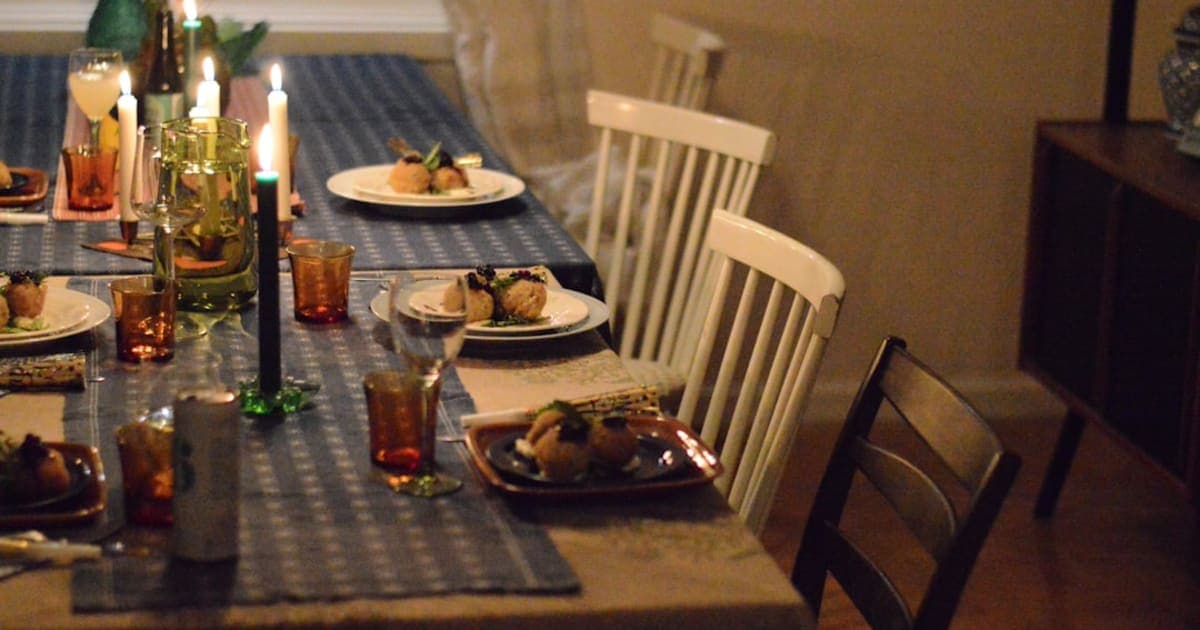
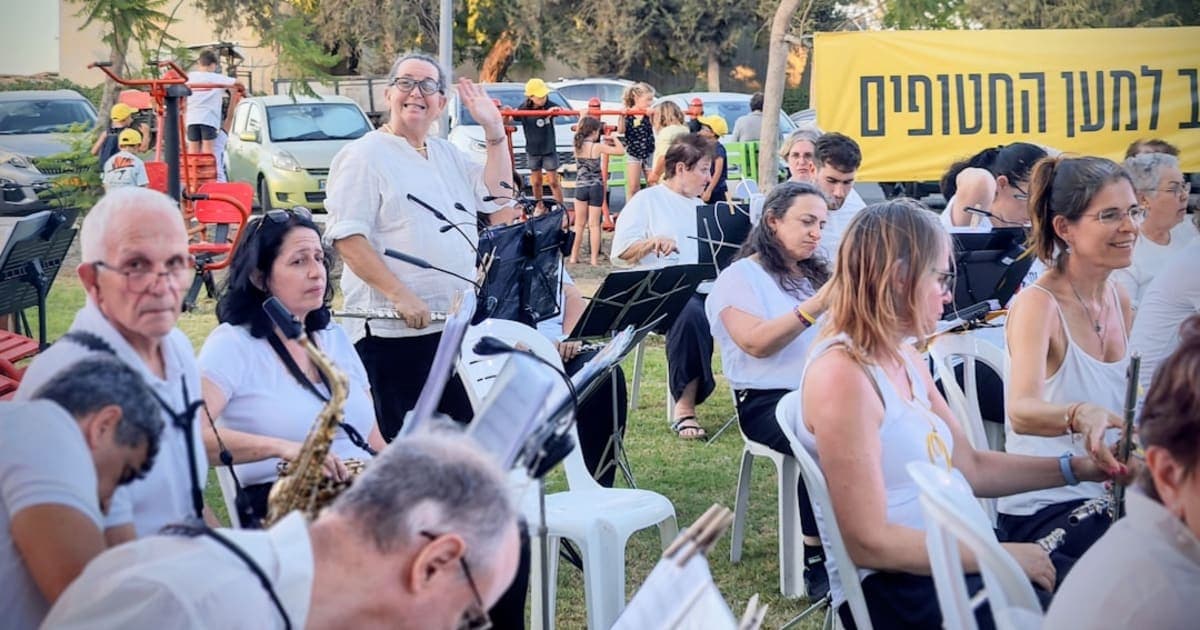
Ask anyone who grew up with Shabbat what they remember most, and chances are they will not talk about the food first. They will talk about the singing. The melodies that rise from the Shabbat table, voices blending together over flickering candles and the remnants of challah, are the soundtrack of Jewish life. These songs are called zemirot, and they are one of the most cherished, joyful, and accessible aspects of the entire Shabbat experience.
You do not need to be a trained singer to participate in zemirot. You do not even need to know all the words. Zemirot are designed for everyone at the table, from grandparents who have been singing these melodies for decades to children just learning to carry a tune. They transform an ordinary meal into something extraordinary, turning a family dinner into a spiritual celebration that has been uniting Jewish families for centuries.
What Are Zemirot?
The word zemirot (singular: zemer) simply means "songs." In the context of Shabbat, it refers specifically to the hymns and poems sung at the Shabbat table during the Friday night meal, the Shabbat day meal, and Seudah Shlishit (the third meal). Most zemirot were composed during the medieval period by great rabbis and poets, and their lyrics express the themes of Shabbat: rest, joy, holiness, gratitude, longing for God, and the beauty of creation.
Each Shabbat meal has its own set of zemirot, matched to the mood and spiritual energy of that particular time:
- Friday night zemirot tend to be joyful, celebratory, and welcoming, matching the festive energy of the evening.
- Shabbat day zemirot are often majestic, contemplative, or exuberant, reflecting the settled holiness of the day.
- Seudah Shlishit zemirot are typically slow, haunting, and deeply emotional, capturing the bittersweet beauty of Shabbat's final hours.
The Most Beloved Friday Night Zemirot
Shalom Aleichem
This is the quintessential Friday night song, sung upon returning home from the synagogue. Shalom Aleichem greets the ministering angels who, according to tradition, accompany each person home from shul on Friday evening. The song has four stanzas: welcoming the angels, requesting their blessing, asking them to bless us, and bidding them farewell. Its melody is one of the most recognized in all of Jewish music, and even people who know very little Hebrew can often hum along.
Eshet Chayil
Immediately after Shalom Aleichem, many families recite or sing Eshet Chayil, the "Woman of Valor" passage from Proverbs 31. While not technically a zemer in the traditional sense, it has become an integral part of the Friday night table ritual. It honors the women of the household and, on a deeper level, is understood as a song of praise for the Shabbat itself, for the Torah, or for the Divine Presence.
Kol Mekadesh Shevi'i
One of the most popular Friday night zemirot, this poem celebrates those who sanctify the seventh day as God commanded. Its upbeat melody and affirming lyrics make it a favorite opener for the singing that accompanies the meal. The song promises blessings and reward to those who honor Shabbat properly.
Menucha V'Simcha
"Rest and joy, a light for the Jews." This beautiful zemer captures the twin gifts of Shabbat: physical rest and spiritual joy. Its simple, singable melody makes it accessible even to newcomers, and its lyrics paint a vivid picture of the Shabbat experience, from the preparation on Friday to the peace that descends at candle-lighting.
Mah Yedidut
"How beloved is your rest, Shabbat Queen." This zemer directly addresses Shabbat as a beloved figure, expressing love and longing for the day of rest. Its melody varies widely between communities, but the sentiment is universal: Shabbat is not just something we observe; it is something we love.
Shabbat Day Zemirot
Baruch Kel Elyon
A majestic hymn that praises God as the highest, the Creator who rested on the seventh day. This zemer is often sung at the Shabbat day meal and has a stately, dignified melody that matches the settled holiness of the daytime.
Yom Zeh L'Yisrael
"This day is for Israel, light and joy." A joyful celebration of Shabbat as a gift specifically given to the Jewish people. Its catchy, upbeat melody makes it a crowd favorite, and it is often one of the first zemirot people learn.
Dror Yikra
One of the oldest zemirot, composed by Dunash ibn Labrat in the 10th century. "He will proclaim freedom" is a poem about spiritual liberation and the rest that Shabbat brings. Its melody is one of the most beautiful in the zemirot repertoire, and it has been set to dozens of different tunes across different communities.
Tzama Lecha Nafshi
"My soul thirsts for You." Based on the words of the Psalms, this zemer expresses deep spiritual longing. It is particularly popular among Sephardic communities and has gorgeous, moving melodies.
Seudah Shlishit Zemirot
Yedid Nefesh
"Beloved of the soul." This is perhaps the most hauntingly beautiful song in the entire zemirot tradition. Written by Rabbi Elazar Azikri in the 16th century, it is a love poem addressed to God, expressing the soul's intense longing for closeness with the Divine. Sung as Shabbat fades into twilight, Yedid Nefesh can bring tears to the eyes of even the most stoic listener. It is also sung in many communities at the beginning of Kabbalat Shabbat on Friday evening.
Mizmor L'David (Psalm 23)
"The Lord is my shepherd, I shall not want." This psalm, with its imagery of green pastures and still waters, perfectly captures the mood of Shabbat afternoon. Its many melodies range from simple chants to elaborate compositions.
Niggunim (Wordless Melodies)
At Seudah Shlishit, many communities, particularly Chassidic ones, sing niggunim, melodies without words. These are considered the highest form of musical prayer, expressing emotions and spiritual states that transcend language. A good niggun at Seudah Shlishit, sung by many voices in the gathering dusk, is one of the most transcendent experiences in Jewish life.
Ashkenazi vs. Sephardi Zemirot Traditions
While many zemirot are shared across all Jewish communities, there are significant differences between Ashkenazi and Sephardi traditions:
- Ashkenazi communities tend to have a well-established canon of zemirot from medieval German and Eastern European poets. The melodies are often in minor keys and draw on Eastern European musical traditions.
- Sephardi communities have their own rich repertoire, often featuring Arabic musical modes (maqamat) and Mediterranean rhythms. Sephardi zemirot tend to be more elaborate and ornamental in their vocal style.
- Mizrachi (Middle Eastern) communities bring additional musical flavors, with zemirot that reflect the musical traditions of Iraq, Yemen, Morocco, and other regions.
The diversity of zemirot melodies is one of the great treasures of Jewish culture. The same text can sound completely different when sung by a family in Brooklyn, a community in Jerusalem, or a gathering in Casablanca, yet all are authentically Jewish and all honor Shabbat.
Why Singing Matters on Shabbat
Singing at the Shabbat table is not just entertainment or background music. It serves several important functions:
- It creates joy. Shabbat is supposed to be joyful, and singing is one of the most natural and powerful ways to generate joy. Even people who arrive at the table stressed or tired often find their mood transformed by a few rounds of zemirot.
- It builds connection. Singing together is a bonding experience. When voices join in harmony, a sense of unity and togetherness emerges that no conversation can replicate. This is particularly powerful for families with children, who often list Shabbat singing as their favorite part of the day.
- It teaches. Many zemirot contain deep theological and ethical ideas. Singing them week after week allows these ideas to seep into consciousness gradually, teaching Torah through melody.
- It honors Shabbat. The concept of kavod Shabbat (honoring Shabbat) includes creating a festive atmosphere. Song is one of the primary ways we do this, turning an ordinary meal into a celebration.
- It elevates the soul. Music has a unique ability to access parts of the soul that words alone cannot reach. The extra soul (neshama yetera) that we receive on Shabbat is particularly responsive to music, and singing zemirot allows us to engage this deeper spiritual dimension.
How to Start Singing at Your Shabbat Table
If you did not grow up with zemirot and the idea of singing at the table feels intimidating, here is how to begin:
- Start with one song. Do not try to learn ten zemirot at once. Choose one that you like (Shalom Aleichem is a great starting point) and learn its melody well. Sing it every Friday night until it becomes second nature, then add another.
- Use recordings. Listen to zemirot recordings during the week to familiarize yourself with the melodies. YouTube and Jewish music streaming services have countless versions of every popular zemer.
- Get a zemirot booklet. Many Judaica shops sell benchers (small booklets) that include both Birkat Hamazon and the most popular zemirot, often with transliterations for those still learning Hebrew.
- Invite people who sing. If you know friends or family members who are experienced with zemirot, invite them for Shabbat. Having even one confident singer at the table makes it much easier for everyone else to join in.
- Do not worry about your voice. Zemirot are not a performance. No one is judging your vocal quality. The sages taught that the person who sings for God is praising Him regardless of the quality of the voice. Enthusiasm matters far more than pitch.
- Involve children. Children love to sing, and learning zemirot is one of the best ways to make Shabbat meaningful for kids. Simple, repetitive melodies are perfect for young ones.
Creating Your Family's Zemirot Tradition
One of the beautiful things about zemirot is that every family develops its own tradition over time. You might sing certain songs every week and others only occasionally. You might have a melody that your family uses for a particular zemer that no one else sings that way, and that is perfectly fine. These unique family melodies become treasured heirlooms, carrying memories and associations that span generations.
Some families sing many zemirot, filling the entire meal with music. Others sing just a few, punctuating the conversation with bursts of melody. Some families pound on the table with enthusiasm; others sing softly and sweetly. There is no wrong way to do it. The only wrong approach is not singing at all.
The Song That Never Ends
Zemirot are the heartbeat of the Shabbat table. They carry the joy, the holiness, the gratitude, and the love that Shabbat is meant to inspire, and they deliver it through the universal language of music. From the exuberant welcome of Shalom Aleichem on Friday night to the haunting tenderness of Yedid Nefesh at Seudah Shlishit, zemirot accompany us through every phase of the Shabbat journey.
Start singing. Even one song, even imperfectly. Let the melodies into your home and into your heart. They have been connecting Jewish families to each other, to their heritage, and to God for hundreds of years. And once you start, you will wonder how you ever had a Shabbat meal without them.