Blowing the Shofar
Blowing the Shofar
What is it about the raw, unpolished sound of a ram's horn that can bring people to tears? The shofar is the most iconic symbol of Rosh Hashanah, and hearing it blown is the central mitzvah of the day. But the shofar is more than a holiday accessory. It is one of the oldest musical instruments in the world, with a history and meaning that stretches back to the very foundations of Jewish faith.
What Is a Shofar?
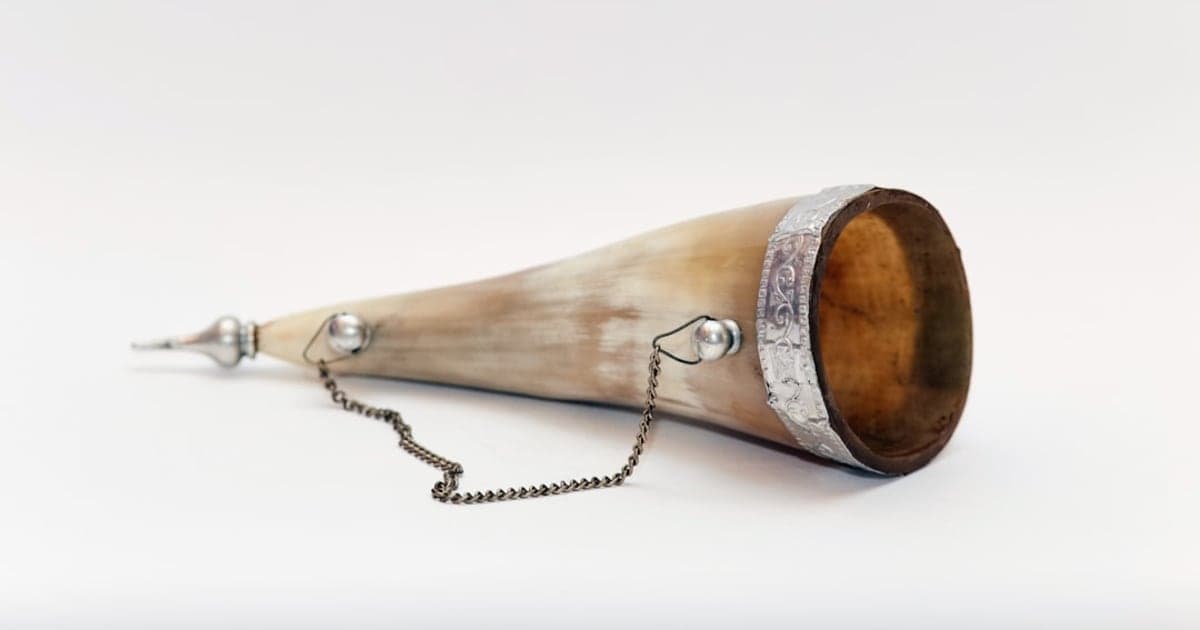
A shofar is a horn from a kosher animal, most commonly a ram. The inside of the horn is hollowed out, and a small mouthpiece area is created at the narrow end. No additional materials are added. The sound comes entirely from the natural horn and the breath of the blower. This simplicity is part of the shofar's spiritual power: it is not a manufactured instrument but something raw and natural, connecting us to the primal and the authentic.
Why a Ram's Horn?
The ram connects to the Akeidah (the binding of Isaac), read from the Torah on the second day of Rosh Hashanah. When Abraham was about to sacrifice his son Isaac, God provided a ram caught in a thicket as a substitute. By blowing a ram's horn, we invoke the merit of Abraham's faith and Isaac's willingness to be sacrificed, asking God to remember that extraordinary devotion on our behalf.
The Sounds
The shofar produces three basic sounds. Tekiah is a single, long, clear blast representing confidence and divine coronation. Shevarim consists of three medium blasts, representing sighing and self-reflection. Teruah is nine rapid staccato blasts, representing crying and deep remorse. The tekiah gedolah (great tekiah) is an extended blast at the conclusion of the service, representing hope and redemption.
The Technique
Blowing the shofar is physically demanding. The blower (ba'al tokea) presses their lips against the narrow end of the horn and produces sound through a combination of lip vibration and controlled breath, similar to playing a brass instrument but without a manufactured mouthpiece. The angle of the lips, the pressure of the breath, and the shape of the individual horn all affect the sound produced.
Learning to blow the shofar takes practice. Many people begin by producing a simple sound and gradually develop the control needed for the different blasts. The tekiah requires steady, even breath. The shevarim requires breaking the airflow into three distinct segments. The teruah requires rapid, precise articulation.
When Is the Shofar Blown?
The shofar is blown during the Musaf service on both days of Rosh Hashanah. If the first day falls on Shabbat, the shofar is blown only on the second day. A minimum of 30 blasts are required, but the custom is to blow 100 or more over the course of the service.
The shofar is also blown daily during the month of Elul (except Shabbat and the day before Rosh Hashanah), serving as a daily wake-up call for the approaching Days of Judgment. A single blast concludes Neilah on Yom Kippur.
The Spiritual Meaning
The Rambam (Maimonides) summarized the shofar's message: Wake up, you sleepers, from your sleep. Examine your deeds, return in repentance, and remember your Creator. The shofar cuts through the routine of daily life and speaks directly to the soul in a language that transcends words. It is a coronation call (proclaiming God as King), a battle cry (rallying us against our own negative tendencies), a cry of prayer (expressing what words cannot), and a sound of hope (pointing toward ultimate redemption).
For more on Rosh Hashanah, see our guides to shofar sounds, symbolic foods, and the Ten Days of Repentance.