How to Celebrate Rosh Hashanah
How to Celebrate Rosh Hashanah: A Complete Guide
What would it mean to truly start fresh? Rosh Hashanah, the Jewish New Year, offers exactly that opportunity. Falling on the first and second of Tishrei (typically in September or October), Rosh Hashanah is far more than a date on the calendar. It is the anniversary of the creation of humanity, the day when God judges every person, and the beginning of the Ten Days of Repentance that culminate in Yom Kippur. Here is everything you need to know to celebrate it meaningfully.
The Shofar: The Sound That Awakens
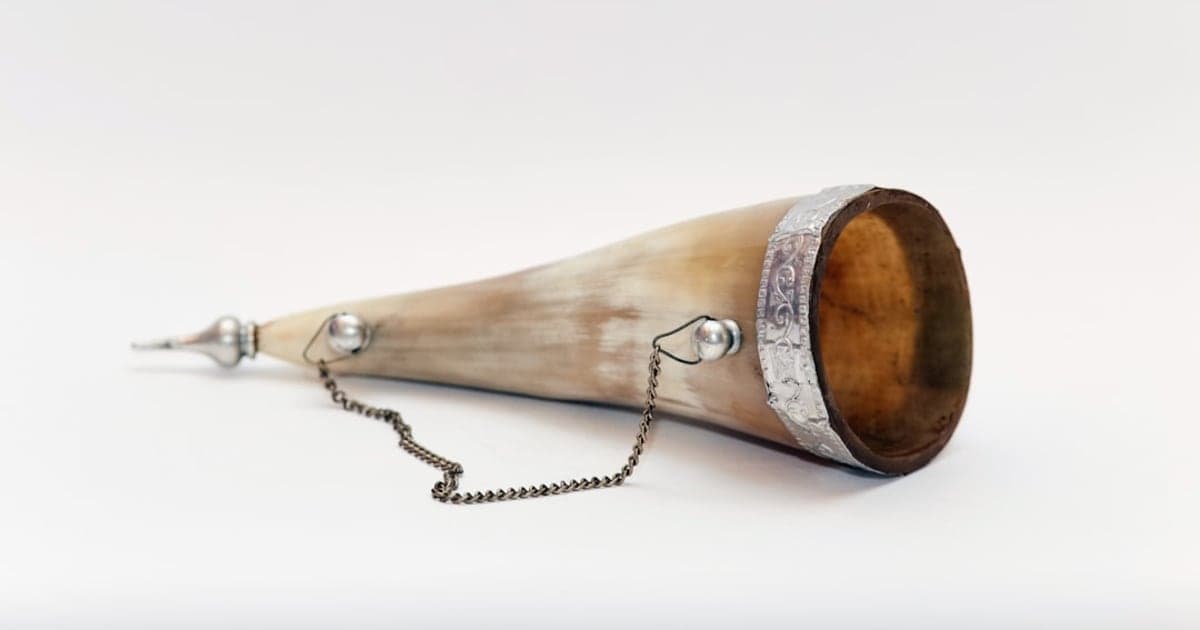
The most iconic element of Rosh Hashanah is the shofar, a ram's horn that is blown during the synagogue service. The shofar's piercing, primal sound is like an alarm clock for the soul. It calls us to wake up from the routines of daily life and pay attention to what truly matters.
The shofar is blown at least 100 times during the Rosh Hashanah service. The sounds include tekiah (a long blast), shevarim (three medium blasts), and teruah (nine short staccato blasts). Hearing the shofar is a mitzvah, and both men and women are encouraged to hear it. If you cannot make it to synagogue, many communities organize outdoor shofar blowings or home visits for those who are homebound.
Synagogue Services
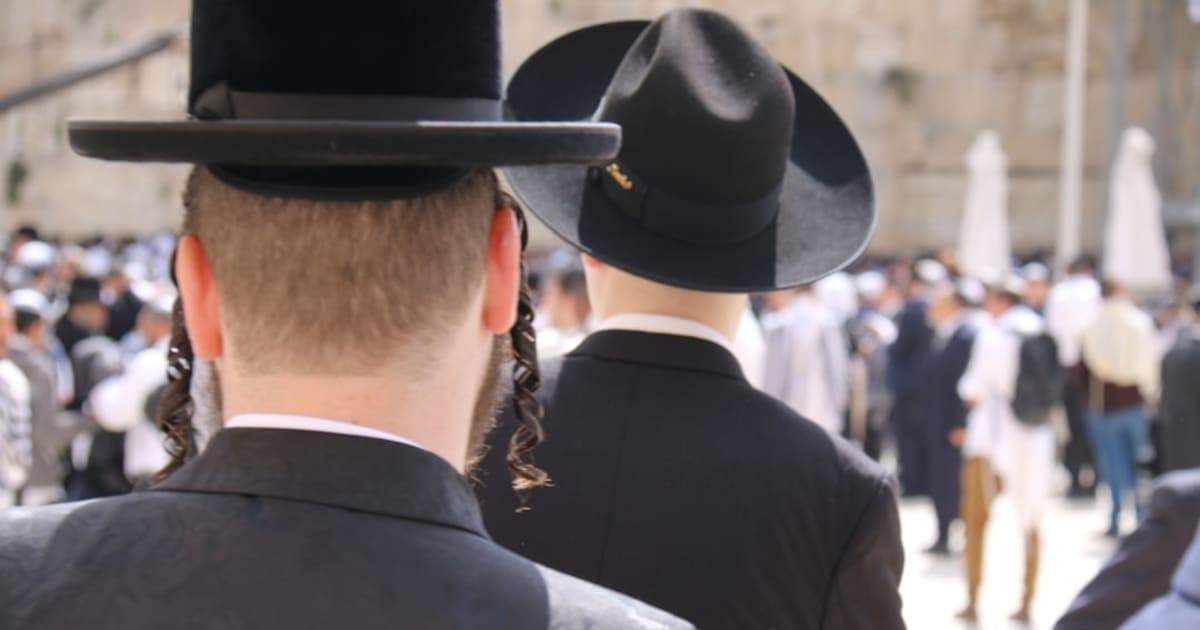
Rosh Hashanah services are longer than regular Shabbat services, often lasting four to five hours on each of the two days. The prayers focus on three central themes: Malchuyot (God's sovereignty), Zichronot (God's remembrance of our deeds), and Shofarot (the shofar's call to repentance). The machzor (High Holiday prayer book) contains special prayers and piyutim (liturgical poems) that are recited only on Rosh Hashanah.
Key moments in the service include the repetition of the Amidah with its powerful insertions about life and death, the Torah reading about the binding of Isaac (Akeidat Yitzchak), and the Haftarah reading about Hannah's prayer for a child. These readings connect the themes of faith, sacrifice, and divine compassion.
The Rosh Hashanah Meals
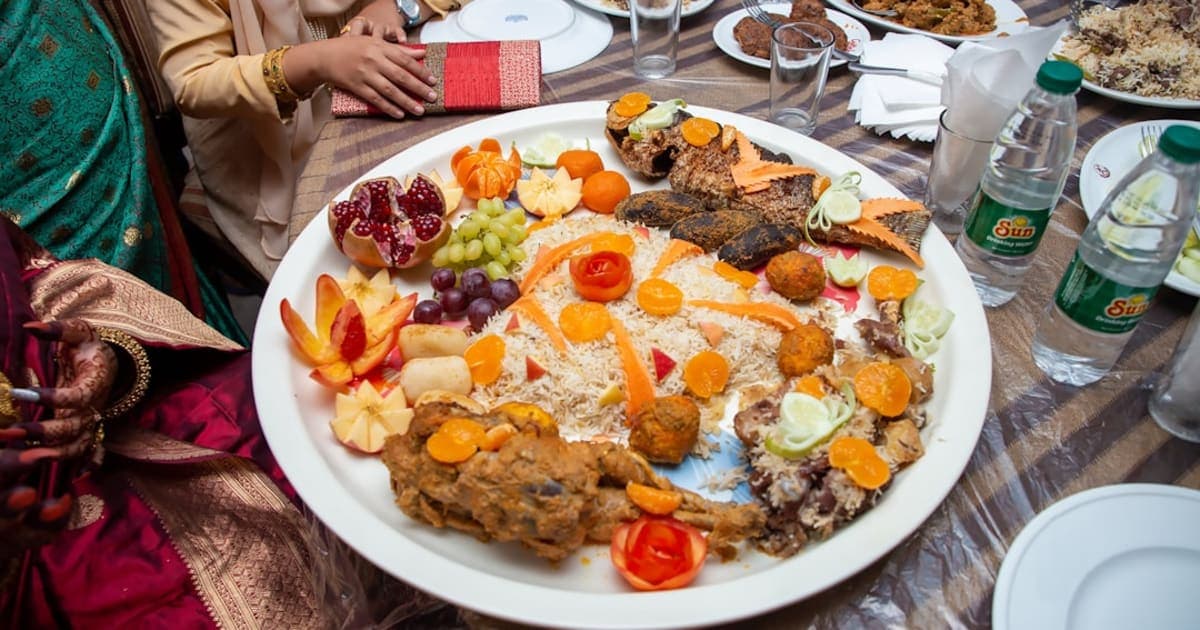
The festive meals on Rosh Hashanah night and day are central to the celebration. The table is set beautifully, often with a white tablecloth symbolizing purity. The meal begins with kiddush over wine, the blessing over two challahs (which are traditionally round on Rosh Hashanah, symbolizing the cycle of the year and the crown of God's kingship), and then the symbolic foods.
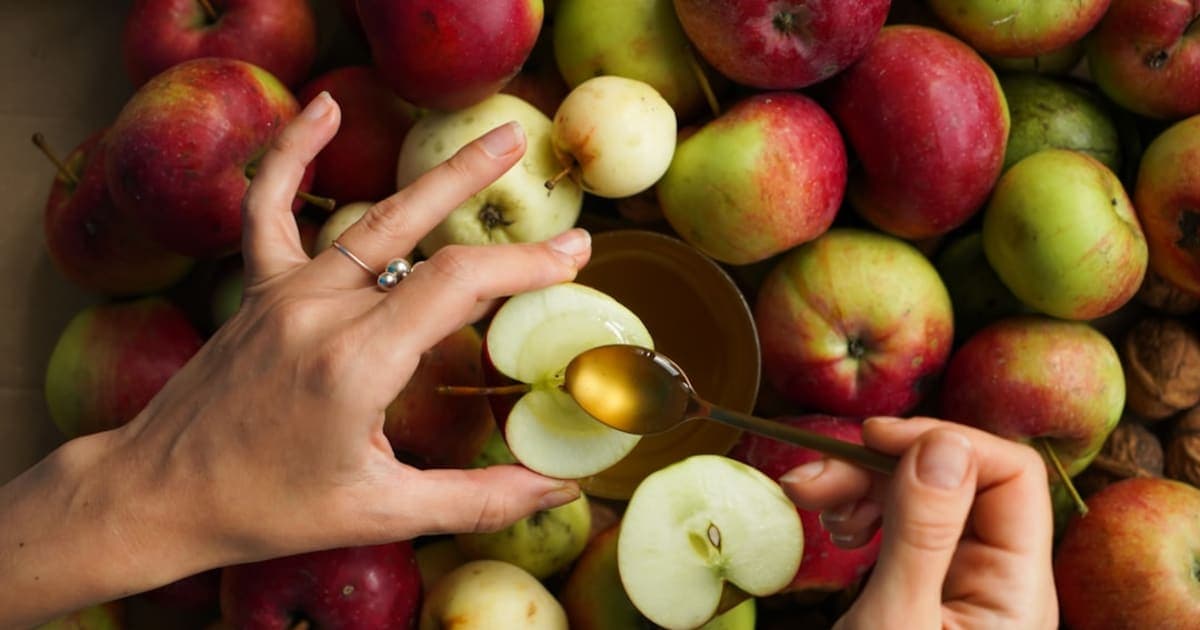
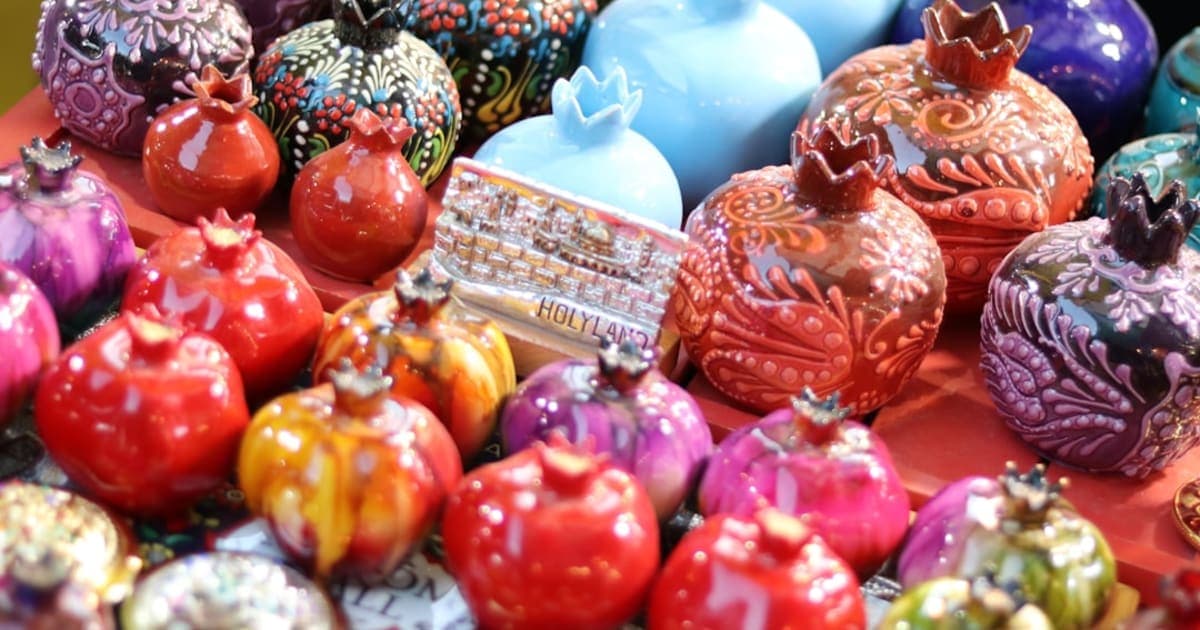
The most well-known custom is dipping apple slices in honey, symbolizing our hope for a sweet new year. A special prayer is recited: May it be Your will to renew for us a good and sweet year. Many families also eat pomegranates (expressing the wish that our merits be as plentiful as the seeds), dates, black-eyed peas, leek, beet, and other foods that carry symbolic meaning through wordplay in Hebrew or Aramaic.
Fish head or lamb head is sometimes placed on the table with the prayer that we should be like the head and not the tail, meaning that we should be leaders, not followers. Some families use a whole fish instead.
Tashlich
On the first afternoon of Rosh Hashanah (or the second, if the first day falls on Shabbat), it is customary to go to a body of flowing water, such as a river, stream, or ocean, for the Tashlich ceremony. Special prayers are recited, and many people symbolically cast breadcrumbs or small pieces of their pockets into the water, representing the casting away of sins. Tashlich is a beautiful, contemplative practice that takes the introspective work of Rosh Hashanah out of the synagogue and into nature.
What Not to Do
Rosh Hashanah has the same restrictions as Shabbat regarding work, with some exceptions related to food preparation. You should not drive, use electronics, write, or engage in weekday work activities. Cooking is permitted (using a pre-existing flame), which is a difference from Shabbat. Candle lighting takes place before sundown on both evenings, with the Shehechiyanu blessing recited each night.
The Two Days
Rosh Hashanah is observed for two days, both in Israel and in the diaspora. This is unusual because most holidays are one day in Israel and two in the diaspora. The two days of Rosh Hashanah are considered one long holy day. On the second night, it is customary to eat a new fruit (one you have not yet eaten this season) so that the Shehechiyanu blessing has an additional basis.
Greetings and Customs
The traditional Rosh Hashanah greeting is Shanah Tovah (a good year) or the longer Leshanah tovah tikateivu vetechateimu (May you be inscribed and sealed for a good year). Many people send Rosh Hashanah cards or messages to friends and family in the weeks before the holiday.
It is customary to wear white or new clothing on Rosh Hashanah, symbolizing purity and new beginnings. Some have the custom of wearing a new garment on the second night specifically to provide an occasion for the Shehechiyanu blessing.
Preparing Your Heart
The month of Elul, which precedes Rosh Hashanah, is traditionally a time of spiritual preparation. Many people use this month to reflect on the past year, seek forgiveness from those they may have wronged, and begin the process of teshuvah (repentance). By the time Rosh Hashanah arrives, you have already been doing the inner work that makes the holiday meaningful.
Rosh Hashanah is not about guilt or fear, though those emotions may surface. It is about the extraordinary gift of being able to start again. Every year, no matter what has come before, we are given the opportunity to stand before God and say: I want to do better. And the tradition promises that God listens, and that the gates of repentance are always open.
For more on the High Holidays, see our guides to the Ten Days of Repentance, Selichot, and the Jewish holiday cycle.