Challah and HaMotzi
Is there any smell more comforting than freshly baked bread? Now imagine that aroma wafting through your home every Friday afternoon, signaling that something special is about to happen. For Jewish families around the world, the golden, braided challah is not just bread — it is the edible heart of Shabbat, carrying centuries of meaning in every soft, sweet bite.
What Is Challah?
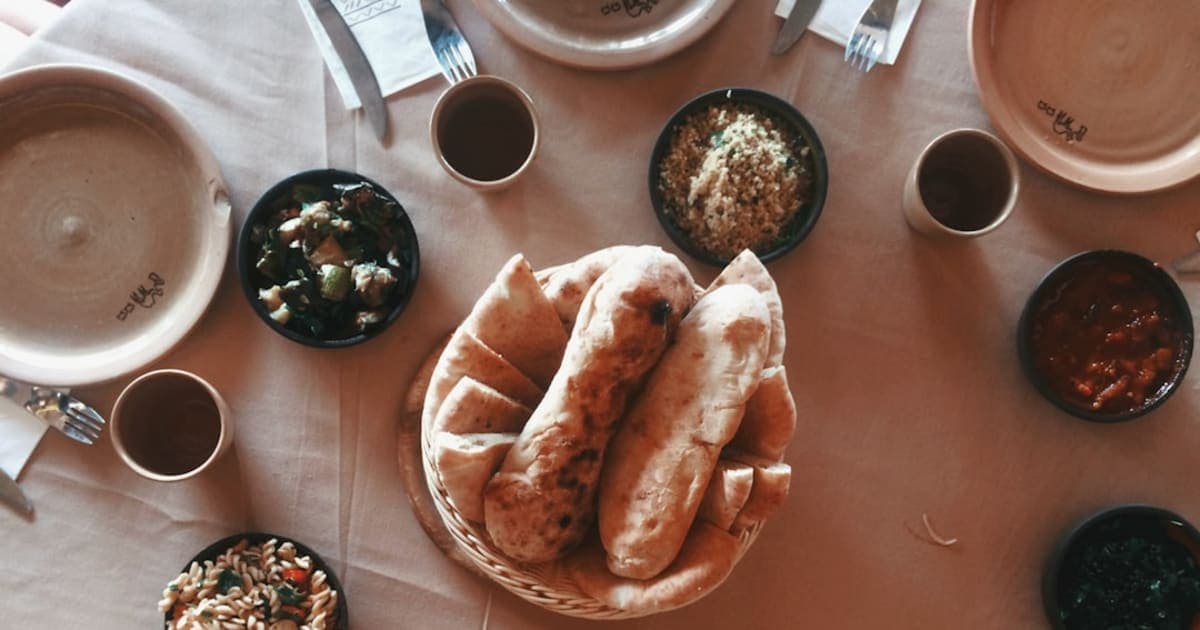
Challah is the special bread traditionally eaten on Shabbat and Jewish holidays. It is typically a rich, slightly sweet, egg bread that is braided into a beautiful loaf. The soft, pillowy texture and golden crust make it one of the most beloved foods in Jewish cuisine.
But the word "challah" actually has two distinct meanings in Jewish life:
- The bread itself — The braided loaves that grace the Shabbat table.
- The mitzvah of separating challah — A Torah commandment requiring that when baking a significant quantity of dough, a small portion is separated and set aside. In Temple times, this portion was given to the Kohanim (priests). Today, since there is no Temple, the separated piece is burned. This mitzvah applies when the dough contains at least 1.6 kg (about 3.5 lbs) of flour.
The mitzvah of separating challah is considered a special honor for women, and many women take this moment to offer personal prayers as they perform it. It is one of three mitzvot traditionally associated with Jewish women, alongside lighting Shabbat candles and the laws of family purity.
Why Two Loaves? The Meaning of Lechem Mishneh
One of the most distinctive features of the Shabbat table is the presence of two whole loaves of challah. This practice is called lechem mishneh ("double bread"), and it commemorates a miracle from the Torah.
When the Jewish people wandered in the desert after the Exodus from Egypt, God provided them with manna — a heavenly food that appeared on the ground each morning. On Friday, a double portion of manna fell so that the people would not need to gather food on Shabbat. The two loaves of challah on our table recall this double portion and remind us of God's continuous provision. For a deeper exploration of this topic, see our article on Lechem Mishneh: Why Two Loaves?
Why Do We Cover the Challah?
You may notice that the two challah loaves are covered with a decorative cloth before the blessing is recited. There are several beautiful explanations for this custom:
- Remembering the manna — In the desert, the manna was covered by layers of dew above and below. The challah cover (on top) and the tablecloth or board (below) recall this imagery.
- Honoring the challah's "feelings" — During Kiddush, we make a blessing over wine before bread, even though bread is normally the more important food. We cover the challah so that it is not "embarrassed" by being passed over. This teaches a profound lesson about sensitivity — if we are careful about the "feelings" of bread, how much more careful should we be about the feelings of other people!
For more on this meaningful custom, read Why Do We Cover the Challah?
Netilat Yadayim: Washing Hands Before Bread
Before eating bread, Jewish law requires a ritual hand-washing called netilat yadayim. This is not about hygiene (although clean hands are certainly nice) — it is a spiritual act that elevates the act of eating from a mundane activity to something sacred. The hand-washing recalls the practice of the Kohanim who washed their hands before performing the Temple service.
Here is how it works:
- Fill a cup with water — Use a large cup or natla (a special two-handled washing cup).
- Pour water over your right hand — Pour at least twice, covering the hand up to the wrist.
- Pour water over your left hand — Same procedure.
- Recite the blessing: Baruch atah Adonai, Eloheinu Melech ha'olam, asher kidshanu b'mitzvotav v'tzivanu al netilat yadayim. (Blessed are You, Lord our God, King of the Universe, who has sanctified us with His commandments and commanded us concerning the washing of hands.)
- Dry your hands — Use a towel.
- Remain silent — From the moment of the blessing until eating the bread, it is customary not to speak. This maintains the connection between the hand-washing and the act of eating.
HaMotzi: The Blessing Over Bread
With hands washed and the family quietly gathered, it is time for the blessing over bread — HaMotzi:
Baruch atah Adonai, Eloheinu Melech ha'olam, hamotzi lechem min ha'aretz.
(Blessed are You, Lord our God, King of the Universe, who brings forth bread from the earth.)
This deceptively simple blessing contains a remarkable idea. God "brings forth bread from the earth" — but of course, bread does not grow from the ground. Wheat does. The blessing acknowledges that while God provides the raw materials, human effort transforms grain into bread. It is a partnership between the Creator and creation, between divine blessing and human labor.
Step by Step: The HaMotzi Ritual on Shabbat
- Uncover the challah — Remove the challah cover.
- Hold both loaves — Place your hands on (or lift) both loaves of challah. Some have the custom to make a small mark or score in the challah at the point where they plan to cut or tear it.
- Recite the blessing — Say the HaMotzi blessing aloud.
- Cut or tear the challah — There are different customs: some slice the challah with a knife, while others tear it by hand. On Shabbat, many make a small cut before the blessing and then finish slicing after.
- Dip in salt — It is customary to dip the first piece of challah in salt before eating. This recalls the salt that accompanied every offering on the altar in the Temple. For the full story behind this practice, see Why Do We Dip Challah in Salt?
- Distribute to everyone — The person who recited the blessing takes the first bite, then slices or tears pieces for everyone at the table. In many homes, the challah is passed around so each person can take their own piece.
Types and Shapes of Challah
While the classic braided loaf is the most familiar form of challah, there is wonderful variety in the world of challah baking:
- Three-strand braid — The most common style, representing truth, peace, and justice (or, alternatively, the three Shabbat meals).
- Six-strand braid — A more elaborate, impressive braid that creates a taller, more dramatic loaf.
- Round challah — Traditionally baked for Rosh Hashanah and the holidays, symbolizing the cycle of the year and the crown of God's kingship. These are often enriched with raisins and extra honey.
- Pull-apart rolls — Some families bake individual challah rolls, making distribution at the table easy and fun.
- Whole wheat or spelt challah — Healthier variations that are becoming increasingly popular.
Baking Challah at Home
Baking challah at home is one of the most rewarding ways to prepare for Shabbat. The process of mixing, kneading, and braiding the dough can be a meditative, even spiritual experience. Many people find that baking challah on Friday afternoon — filling the house with its warm, sweet aroma — transforms their entire preparation for Shabbat.
A basic challah recipe includes flour, water, yeast, eggs, oil (or butter, depending on custom), sugar or honey, and salt. The dough is kneaded until smooth, left to rise, braided, and baked until golden. If the dough contains enough flour (at least 1.6 kg), do not forget to separate challah with the appropriate blessing.
Baking challah is also a wonderful family activity — children love to help braid the dough, and it gives them a tangible connection to Shabbat preparation.
Challah and HaMotzi: More Than Just Bread
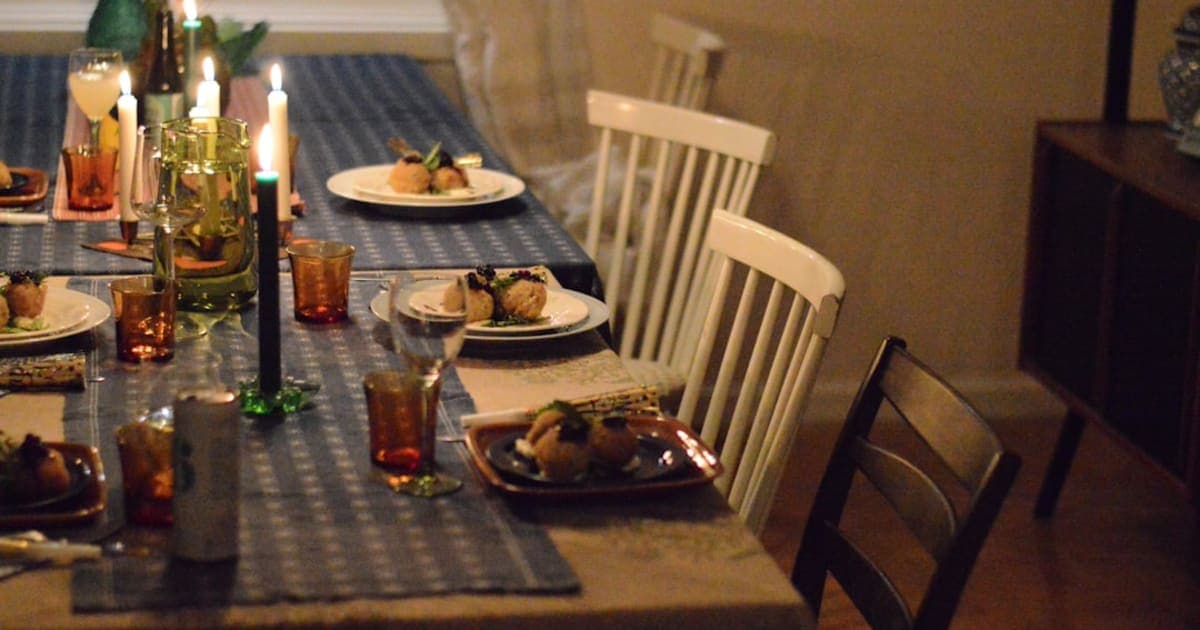
There is something deeply meaningful about the way bread functions on the Shabbat table. The two loaves, covered and waiting, are a silent witness to God's faithfulness. The careful ritual of washing, blessing, and sharing transforms a simple act of eating into a communal, sacred experience.
In Jewish thought, the Shabbat table is compared to the altar in the Temple. The challah is like the lechem hapanim (showbread) that was placed on the altar each week. The salt recalls the offerings. The family gathered around the table is the community of worshippers. Every Shabbat meal, in a very real sense, is a holy service.
After Kiddush and HaMotzi, the Shabbat meal continues with courses of food, singing, Torah discussion, and the warmth of family togetherness. The challah is the foundation upon which it all rests — literally and symbolically.
Whether you buy your challah from a local bakery or bake it from scratch, whether your family's recipe includes honey, raisins, or za'atar on top, the simple act of breaking bread on Shabbat connects you to an unbroken chain of Jewish life stretching back thousands of years. And it all begins with two loaves, a blessing, and a sprinkle of salt.
For more on the complete Shabbat evening experience, explore How to Keep Shabbat: A Beginner's Guide, and learn about Birkat Hamazon (Grace After Meals), the beautiful blessing recited after every meal with bread.