Costumes and Celebrations
Purim Costumes and Celebrations: Why Do We Dress Up?
Why would a religion known for its seriousness about law and tradition encourage its followers to wear silly costumes, put on plays, and celebrate with abandon? The answer reveals one of the most fascinating aspects of Purim: it is a holiday where joy itself becomes a spiritual act, and where dressing up teaches us something profound about the nature of reality.
Why Do We Wear Costumes on Purim?
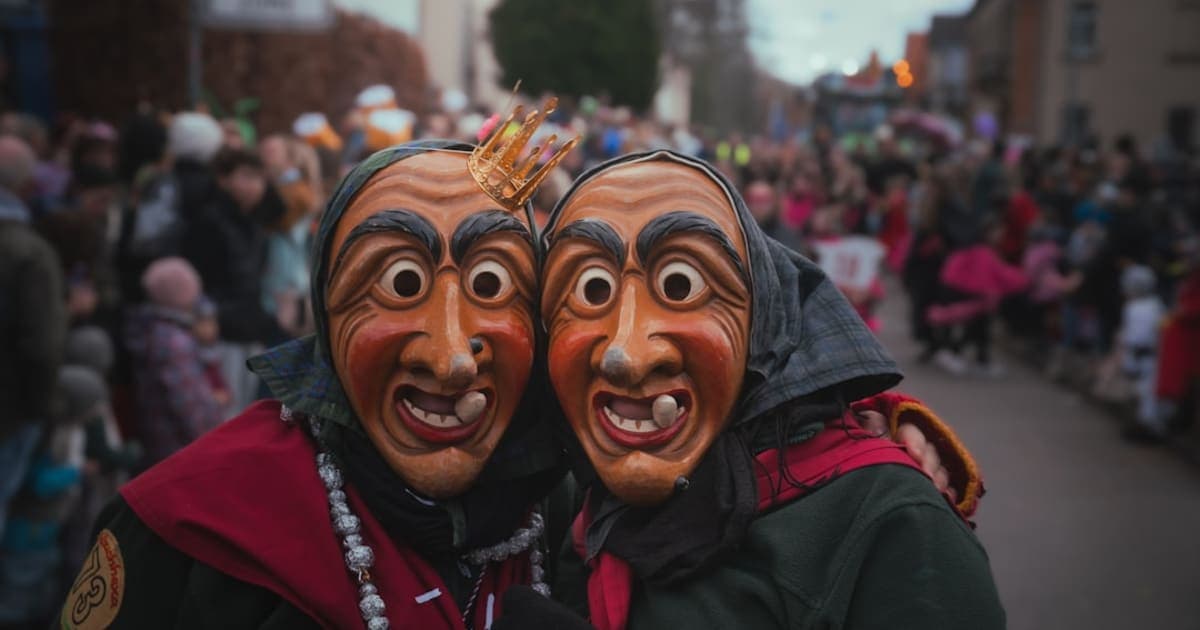
The custom of wearing costumes on Purim dates back at least to the 15th century in European Jewish communities, and possibly earlier in Sephardic traditions. Several explanations have been offered for this beloved practice:
Hiddenness and Revelation
The central theme of the Purim story is hiddenness. God's name is hidden in the Megillah. Esther's identity is hidden from the king. Haman's true nature is hidden behind a mask of loyalty. By wearing costumes, we enter into this theme experientially. We hide our own identities, reminding ourselves that surfaces can be deceiving and that what is most important is often hidden from view.
Role Reversal
Purim is a story of dramatic reversals. Haman, who planned to destroy the Jews, was himself destroyed. Mordechai, who was targeted for death, was elevated to honor. The day that was supposed to be one of mourning became a day of celebration. Costumes embody this theme of reversal. On Purim, the ordinary rules are suspended. Children dress as adults, adults dress as children, and the whole community enters a topsy-turvy world where nothing is quite what it seems.
Empathy and Perspective
When you dress as someone else, even playfully, you step into another person's world for a moment. This simple act of imagination can foster empathy and broaden your perspective, values deeply rooted in Jewish tradition.
Popular Purim Costume Ideas
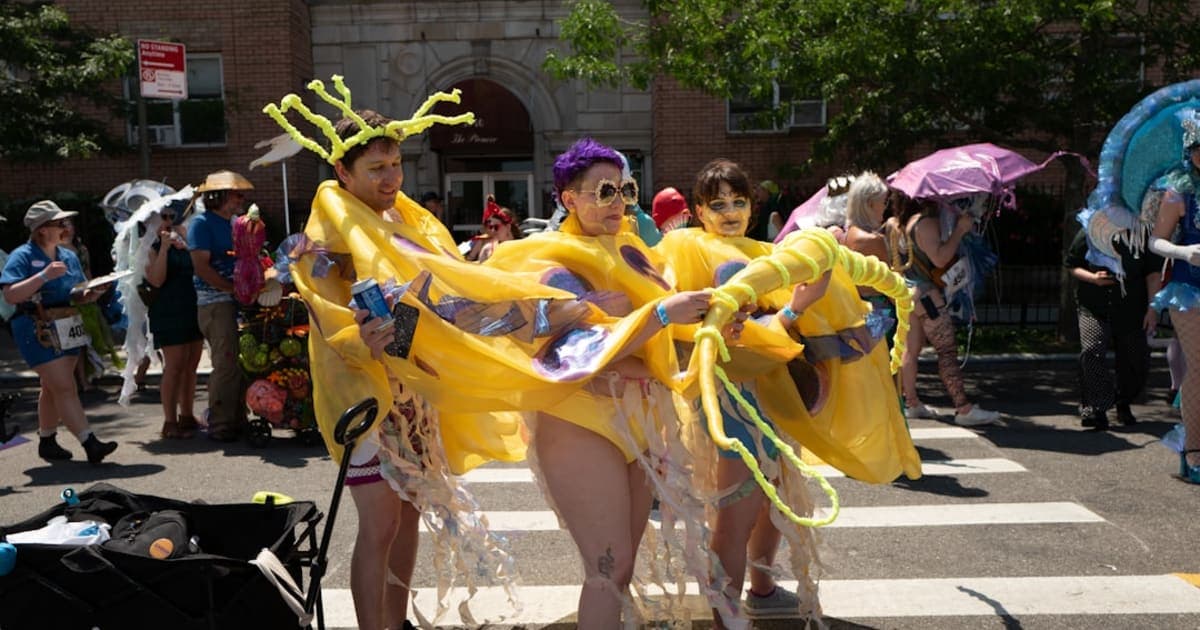
Purim costumes range from traditional to creative to downright hilarious. Here are some perennial favorites:
Biblical Characters: Esther, Mordechai, King Achashverosh, and even Haman (though some prefer not to dress as the villain) are classic choices. Other biblical figures like Moses, David, and Ruth are also popular.
Jewish Themes: Dressing as a Torah scroll, a pair of Shabbat candles, a plate of hamantaschen, or a dreidel combines creativity with Jewish content.
Puns and Wordplay: Jewish communities love a good pun. Costumes based on Hebrew or Yiddish wordplay are always a hit. Think "Challah Back Girl" or a "Matzo Ball" (a ball gown made of matzo).
Pop Culture with a Jewish Twist: Superheroes, movie characters, and celebrities are common, especially among children. Many families add a Jewish twist, like "Super Maccabee" or a Torah-reading wizard.
Group and Family Costumes: Coordinated family costumes have become a Purim tradition in many communities. The whole family might dress as the four sons from the Passover Seder, the seven species of Israel, or characters from a favorite movie.
The Purim Shpiel
The Purim shpiel (Yiddish for "play") is a comedic theatrical performance that retells the Purim story, usually with humor, satire, and contemporary references. This tradition dates back to medieval European Jewish communities, where traveling players would perform humorous skits in the synagogue or town square.
Modern Purim shpiels range from elaborate productions with costumes and music to informal skits at the synagogue or family dinner table. The best shpiels manage to be genuinely funny while also conveying the deeper messages of the holiday. Rabbis, community leaders, and current events are all fair game for gentle (or not so gentle) satire.
The Purim Seudah: The Festive Meal
The Purim feast, or seudah, is held on Purim afternoon and is one of the four mitzvot of the day. It is meant to be a joyous, lavish meal shared with family and friends. The seudah typically features wine (lots of it, traditionally), meat, hamantaschen, and other festive foods.
The atmosphere at a Purim seudah is one of uninhibited joy. Songs are sung, words of Torah are shared (often humorously), and the whole table celebrates the miracle of salvation. Many families make the seudah the highlight of the day, inviting friends and neighbors for an extended afternoon of food, friendship, and celebration.
Mishloach Manot: Sending Food Gifts
One of the most delightful Purim customs is mishloach manot, sending gifts of food to friends. The minimum requirement is two different ready-to-eat food items sent to at least one person, but most people send to many friends, neighbors, and acquaintances. The packages are often beautifully decorated and themed, and delivering them is itself part of the fun. Children especially love running from house to house, dropping off packages and collecting them in return.
Community Celebrations
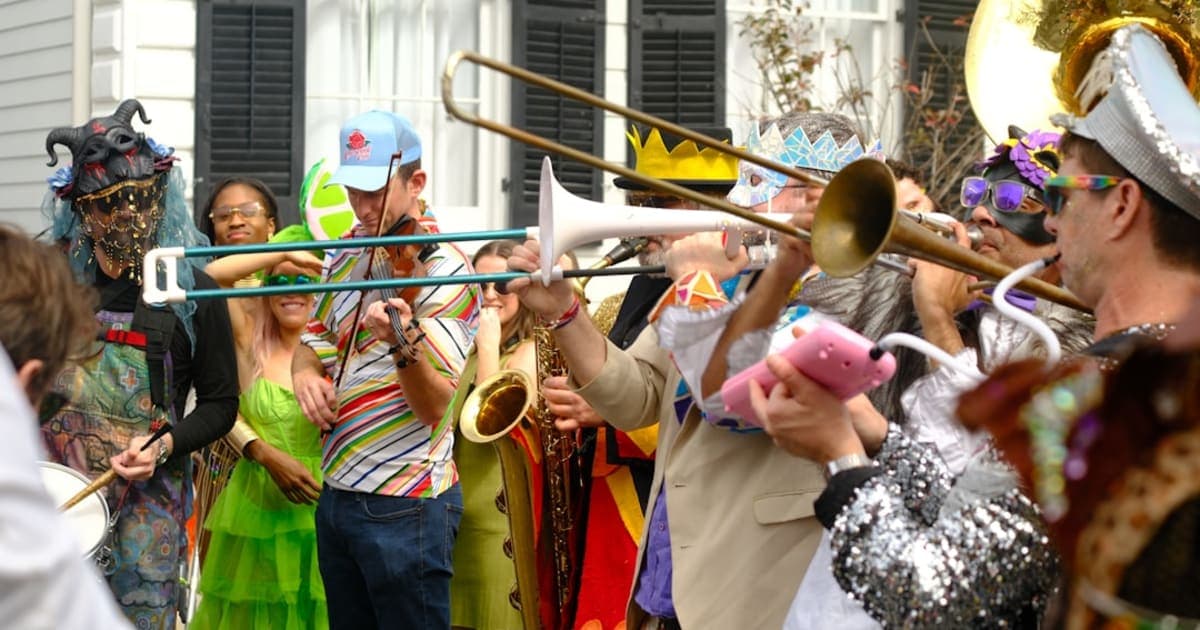
Beyond the household celebrations, many communities organize large-scale Purim events. These may include public Megillah readings with elaborate grogger (noisemaker) use, carnivals for children, costume parades, live music, and communal seudot. In Israel, Purim is a national celebration. The streets fill with costumed revelers, parties spill out of homes and restaurants, and the entire country takes on a festive atmosphere.
Giving to Those in Need
Amid all the celebration, Purim maintains a strong emphasis on generosity. Matanot la'evyonim, gifts to the poor, is considered the most important of the four Purim mitzvot. The principle is simple: no one should be left out of the joy. Every person, no matter their financial situation, should be able to celebrate Purim with a festive meal and a full heart.
Many communities organize special Purim charity drives, collecting funds to distribute to those in need before the holiday. This is considered one of the most meritorious ways to prepare for the celebration.
The Deeper Message of Purim Celebration
At its core, the wild joy of Purim is not escapism. It is a spiritual response to the recognition that God saved the Jewish people from annihilation. The costumes, the feasting, the wine, and the giving are all expressions of a joy so deep that it overflows the boundaries of normal life.
There is a profound teaching that on Purim, we reach a level of connection with God that transcends the intellect. Through joy, generosity, and community, we access a divine light that is hidden from ordinary perception. The masks and costumes remind us that the greatest truths are often hidden beneath the surface, and that sometimes you need to look beyond appearances to find what truly matters.
For more about the holiday, see our guides to understanding Purim and the Fast of Esther.