What Is Purim?
What Is Purim?
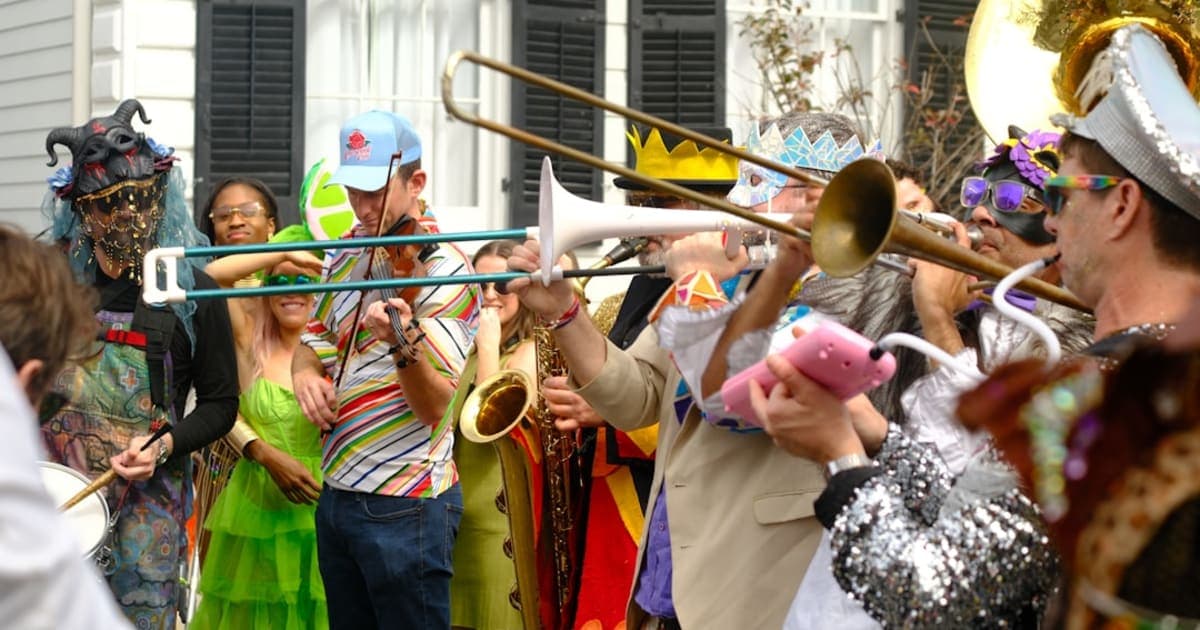
What if the most joyous day on the Jewish calendar is also one of the most profound? Purim is often called the Jewish Mardi Gras or Halloween, but those comparisons barely scratch the surface. Behind the costumes, the noisemakers, and the festive treats lies a story of courage, faith, and the hidden hand of God working through ordinary people in extraordinary times.
The Story of Purim
The Purim story takes place in ancient Persia (modern-day Iran), during the reign of King Achashverosh (Ahasuerus). The events are recorded in Megillat Esther, the Book of Esther, which is the only book of the Hebrew Bible where God's name does not appear even once. This absence is itself a central theme: Purim is about recognizing God's presence even when it is hidden.
The story begins when Queen Vashti refuses the king's command to appear at his banquet, and she is deposed. A beauty contest is held to find a new queen, and a young Jewish woman named Esther, niece and adopted daughter of the righteous Mordechai, is chosen. On Mordechai's advice, Esther conceals her Jewish identity.
Meanwhile, the king promotes Haman, an arrogant official descended from the ancient enemy of Israel, Amalek, to the position of prime minister. Haman demands that everyone bow to him, but Mordechai refuses, bowing only to God. Enraged, Haman decides not just to punish Mordechai but to annihilate the entire Jewish people. He casts lots (purim in Hebrew, giving the holiday its name) to determine the date of the planned genocide: the 13th of Adar.
Haman convinces the king to issue a decree authorizing the destruction of all Jews in the empire. When Mordechai learns of the decree, he sends word to Esther, urging her to approach the king and plead for her people. Esther hesitates, as approaching the king without being summoned carries a death sentence, but Mordechai delivers one of the most powerful lines in all of scripture: "Who knows whether you have not come to royal position for just such a time as this?"
Esther asks all the Jews to fast for three days, then bravely approaches the king. Through a series of dramatic events, including a banquet where Esther reveals her Jewish identity and Haman's plot, the tables are turned. Haman is hanged on the very gallows he had prepared for Mordechai, and the Jews are given permission to defend themselves. The 14th of Adar becomes a day of celebration and thanksgiving.
When Is Purim?
Purim falls on the 14th of Adar in the Hebrew calendar, typically in late February or March. In walled cities like Jerusalem, Purim is celebrated one day later, on the 15th of Adar, known as Shushan Purim, commemorating the extra day of fighting that took place in the walled capital of Shushan.
In a Jewish leap year, when there are two months of Adar, Purim is celebrated in the second Adar (Adar II). The first Adar's 14th is called Purim Katan ("Little Purim").
The Four Mitzvot of Purim
The Sages established four specific mitzvot for Purim, each designed to express gratitude and strengthen community bonds. You can read about all four in detail in our guide to the four mitzvot of Purim.
1. Hearing the Megillah
The Book of Esther is read aloud twice: once on Purim night and once during the day. Every word must be heard. When Haman's name is mentioned, the congregation drowns it out with noisemakers (groggers) and stamping feet.
2. Mishloach Manot (Sending Gifts of Food)
Every person must send at least two different ready-to-eat food items to at least one friend. This mitzvah strengthens friendships and community bonds. For creative ideas, see our guide to mishloach manot themes.
3. Matanot La'Evyonim (Gifts to the Poor)
Every person must give monetary gifts to at least two poor people. This is considered the most important of the four mitzvot, as it ensures that everyone can celebrate the holiday with joy.
4. The Purim Feast (Seudah)
A festive meal is held on Purim afternoon, featuring wine, special foods, singing, and celebration. The meal should be joyous and generous, reflecting the theme of the day.
Purim Traditions and Customs
Costumes and Masquerade
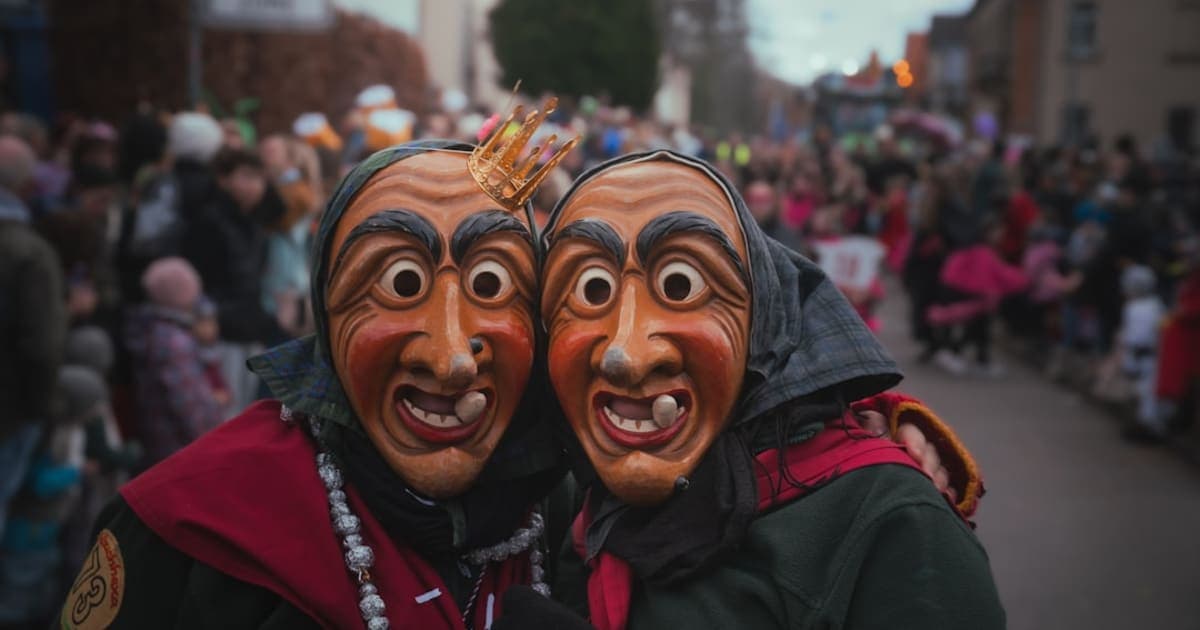
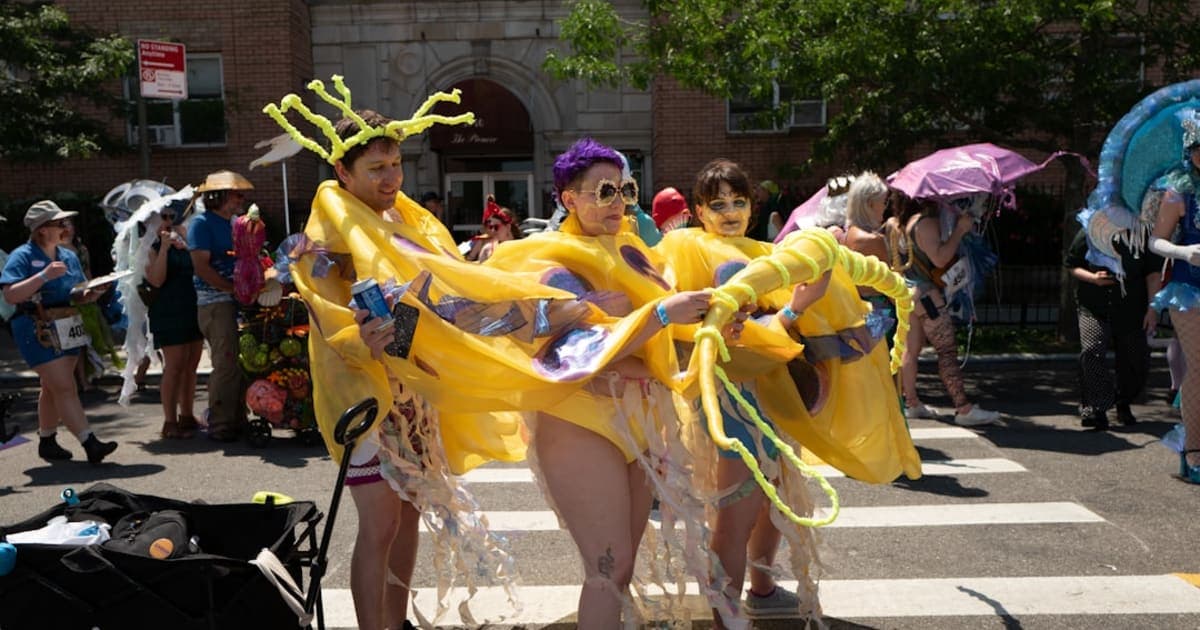
One of the most distinctive Purim traditions is wearing costumes and masks. Children and adults dress up in creative outfits, from biblical characters to modern pop culture figures. The custom reflects the theme of hiddenness that pervades the Purim story: Esther hid her identity, God's name is hidden in the text, and things are not always what they seem.
Hamantaschen
These triangular filled pastries are the iconic Purim treat. Their shape is said to represent Haman's three-cornered hat or his ears. Traditional fillings include poppy seed, prune, and apricot, though modern versions feature chocolate, halva, and countless other flavors. Learn the history and try a recipe in our hamantaschen guide.
Drinking Wine
The Talmud famously states that a person should drink on Purim "until they cannot distinguish between 'cursed is Haman' and 'blessed is Mordechai.'" This teaching has been interpreted in various ways. Some take it quite literally, while many authorities understand it to mean drinking a bit more than usual and then falling asleep, at which point you certainly cannot distinguish between the two phrases. The key is that the celebration should be joyful but always responsible and safe.
The Fast of Esther
The day before Purim (13th of Adar) is Ta'anit Esther, a fast commemorating the three days of fasting that Esther called for before approaching the king. It is observed from dawn to nightfall.
The Half-Shekel
Before Purim, it is customary to give three coins as a remembrance of the half-shekel that Jews used to contribute to the Temple. This is typically done in the synagogue before the Megillah reading.
Special Prayers
On Purim, the Al HaNissim prayer is added to the Amidah and to Grace After Meals, thanking God for the miracles of the holiday. Interestingly, full Hallel is not recited on Purim (unlike Chanukah). The Talmud offers several reasons for this, including the fact that the Jews were still subject to Achashverosh's rule even after the salvation, so the redemption was incomplete.
The Deeper Meaning of Purim
Purim is often described as the holiday of hidden miracles. Unlike the Exodus from Egypt, where God performed open miracles such as splitting the sea, the miracles of Purim unfolded through natural events: a beauty contest, a sleepless night, a forgotten good deed. Each event, taken alone, seems ordinary. But when you step back and see how they all fit together, the hand of God becomes unmistakable.
This teaches us a powerful lesson: God is present in our lives even when we cannot see direct divine intervention. The ordinary events of our daily lives, the coincidences, the near-misses, the unexpected opportunities, may all be part of a larger divine plan.
There is also a teaching that Purim is in some ways an even holier day than Yom Kippur. The Hebrew name for Yom Kippur, Yom Kippurim, can be read as Yom K'Purim, meaning "a day like Purim." This suggests that Yom Kippur, the most solemn day of the year, merely approaches the spiritual level of Purim. On Yom Kippur, we connect to God through fasting and prayer. On Purim, we connect through joy, generosity, and celebration, which may be an even higher spiritual achievement.
For a comprehensive look at the holiday's observances, explore our guide to understanding Purim and the Jewish holiday cycle.