How to Cook for Shabbat
How Do You Prepare an Entire Day of Meals Before Shabbat Starts?
One of the most common questions from people new to Shabbat observance is practical: if you cannot cook on Shabbat, how do you prepare enough food for three festive meals? The answer is a combination of good planning, make-ahead recipes, and clever techniques that Jews have perfected over thousands of years. Whether you are keeping Shabbat for the first time or looking to streamline your Friday routine, this guide will help you master the art of Shabbat cooking.
The Halachic Framework
All cooking must be completed before Shabbat begins -- typically 18 minutes before sunset on Friday. Food can be kept warm using a blech (metal sheet over stove burners), a hot plate, or a crockpot turned on before Shabbat. You cannot adjust the flame or temperature on Shabbat. Specific halachic guidelines govern what can be reheated and how.
The Friday Timeline
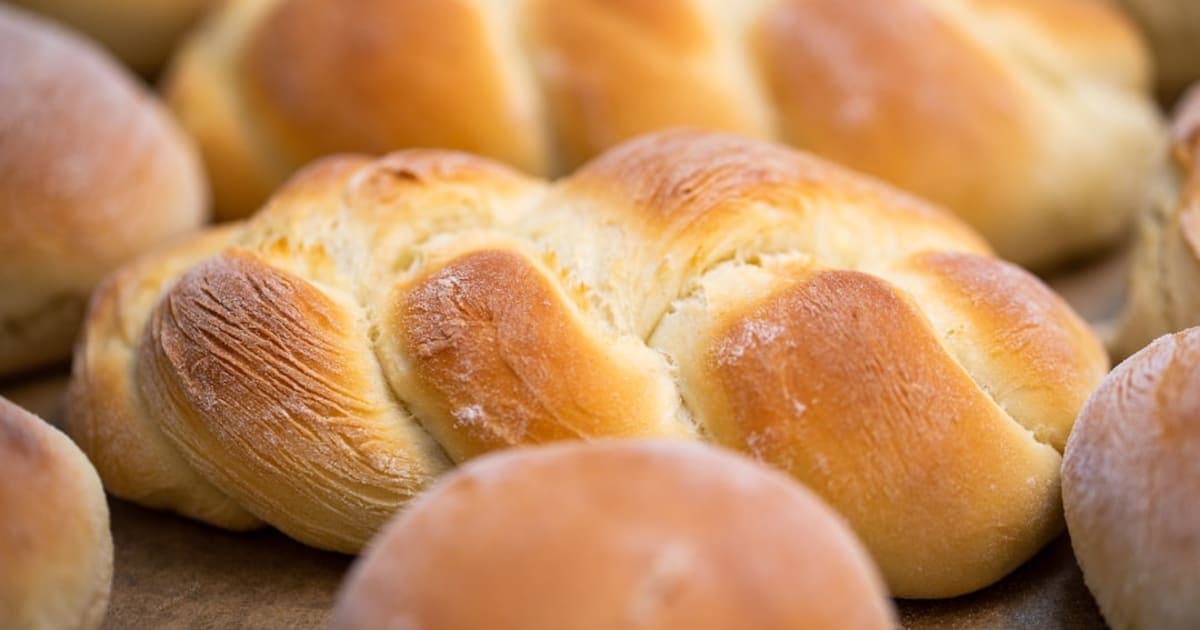
Thursday Night or Early Friday: Plan your menu, make a shopping list, prepare anything that improves with time (cholent, marinated meats, dips), and bake challah.
Friday Morning: Shop for remaining ingredients, prep slow-cooking items, make salads, side dishes, and desserts. Check and wash all vegetables -- it is important to check produce before Shabbat.
Friday Afternoon: Cook main dishes, set up the blech or hot plate, put cholent on the flame or crockpot, and set the table.
Keeping Food Warm
A blech is a large metal sheet placed over stovetop burners. Cover the burner knobs to avoid accidentally adjusting the flame. Foods should be fully cooked before placement. An electric hot plate (plata) is the modern alternative -- many models are designed specifically for Shabbat use with no adjustable controls. A crockpot is perfect for cholent and other slow-cooked dishes.
Make-Ahead Strategies
Foods that taste better with time include cholent (the whole point is slow cooking overnight), chicken soup (make Thursday, reheat Friday), braised meats like brisket and short ribs, and dips and salads like hummus. Foods to cook fresh Friday include roast chicken (best freshly roasted then kept warm), rice (cook Friday and keep warm on the plata), and kugel (bake Friday, serve at room temperature or warmed).
Menu Planning for Three Meals
Friday Night: Challah with salt, gefilte fish or fish appetizer, chicken soup, roast chicken or meat main course, two or three side dishes, pareve dessert.
Shabbat Lunch: Challah, salads and dips, cholent, kugel (potato or noodle), additional sides, pareve dessert.
Seudah Shlishit (Third Meal): Challah or bread, tuna or egg salad, fresh vegetables, cake or cookies.
Tips for Beginners
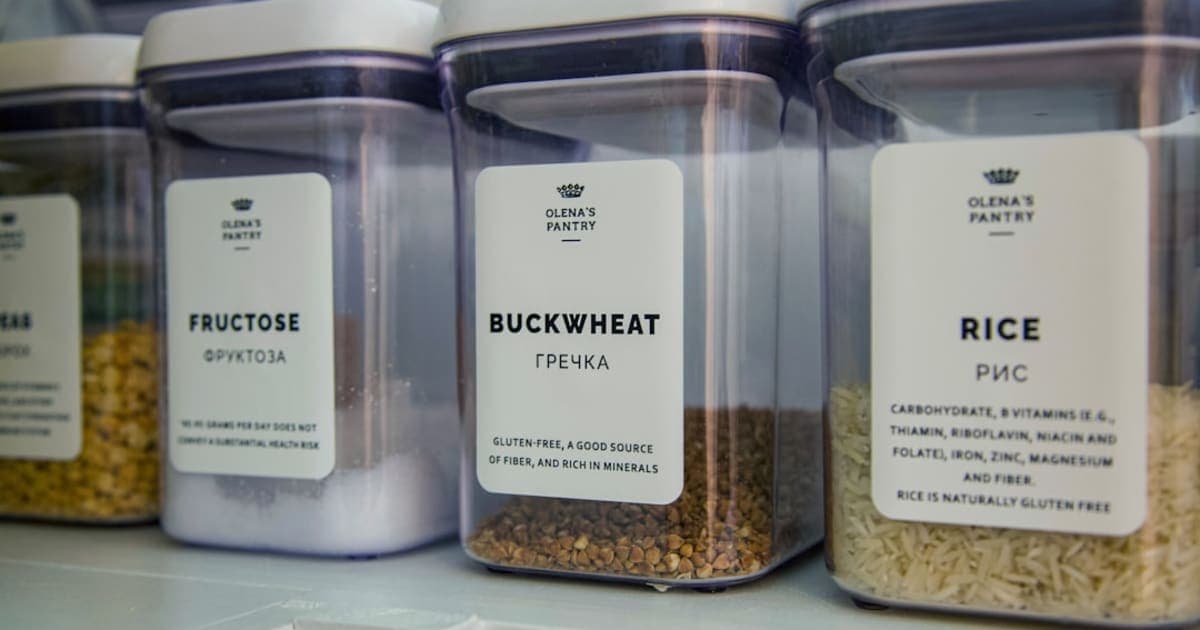
Start simple -- a roast chicken, a couple of sides, and store-bought challah make a beautiful Shabbat. Cook extra so leftovers from Friday night become Saturday lunch. Accept help from friends who offer to bring a dish. Make doubles and freeze half for future weeks. Keep a Shabbat pantry stocked with basics so you always have what you need.
Cooking for Guests
When hosting Shabbat guests, ask about dietary restrictions in advance, make extra (better too much than too little), choose dishes that hold well and are easy to serve. If serving wine to non-Jewish or non-observant guests, consider using mevushal wine. Prepare as much as possible in advance so you can be present with your guests.
The Joy of Shabbat Cooking
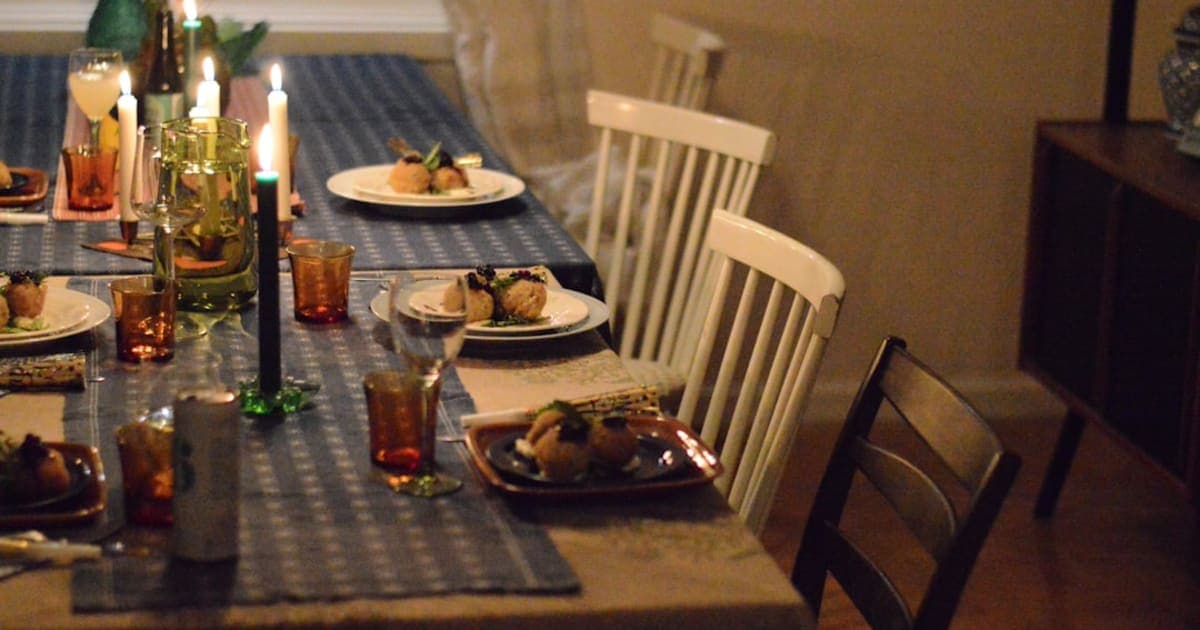
Yes, cooking for Shabbat is work. But it is deeply satisfying work. There is something profound about preparing food with intention and purpose, knowing that these dishes will nourish not just bodies but souls. The peaceful atmosphere of a well-prepared Shabbat table -- with its delicious food, warm candlelight, and beloved faces -- is one of the most beautiful experiences in Jewish life. Start wherever you are. Even one home-cooked dish elevates a Shabbat meal from ordinary to extraordinary.