The 7 Species of Israel: Spiritual Meanings
The 7 Species of Israel: Spiritual Meanings
What can seven types of food teach us about the land, about ourselves, and about our relationship with God? The Torah praises the Land of Israel with seven species of produce: wheat, barley, grapes, figs, pomegranates, olives, and dates. These are not just agricultural products; they are symbols of the land's spiritual richness and of the qualities we are meant to cultivate in our own lives.
The Seven Species
Wheat (Chitah)
Wheat is the basis of bread, the staff of life. It represents sustenance, civilization, and Torah. The Talmud teaches that the Tree of Knowledge in the Garden of Eden may have been a wheat tree. Wheat symbolizes the transformative power of human effort: raw wheat must be ground, kneaded, and baked to become bread, just as raw potential must be cultivated to become wisdom and character.
Barley (Se'orah)
Barley ripens before wheat and was the first grain harvested in Israel. The Omer offering brought on Passover was made of barley. Barley represents beginnings, humility, and the foundation upon which greater things are built. It is considered a simpler grain than wheat, reminding us that greatness often starts with humble origins.
Grapes (Gefen)
Grapes produce wine, which plays a central role in Jewish ritual: Kiddush, Havdalah, weddings, and holiday celebrations all feature wine. Grapes represent joy, sanctification, and the potential for both elevation and degradation (wine can bring holiness or excess). The vine, which must be carefully tended, symbolizes the need for discipline in pursuing joy.
Figs (Te'enah)
The fig tree produces fruit continuously over an extended season, and each fig ripens at its own pace. This characteristic led the Sages to compare the fig to Torah: just as you can always find a ripe fig on the tree, you can always find new wisdom in the Torah, no matter when you approach it. Figs represent patience, continuous growth, and the sweetness of sustained effort.
Pomegranates (Rimon)
The pomegranate is packed with seeds, traditionally said to number 613, corresponding to the 613 commandments. It symbolizes abundance, merit, and the fullness of a life dedicated to good deeds. On Rosh Hashanah, we eat pomegranate with the prayer that our merits be as plentiful as its seeds. The pomegranate also adorned the hem of the High Priest's robe and the columns of the Temple.
Olives (Zayit)
The olive produces oil, which in the Temple was used to light the Menorah, anoint kings and priests, and accompany offerings. Olive oil represents wisdom, spiritual light, and the divine presence. The olive itself must be pressed and crushed to yield its oil, symbolizing that wisdom and spiritual depth often emerge from adversity and struggle.
Dates (Tamar)
The date palm is tall, straight, and productive. It represents the righteous person: The righteous shall flourish like a date palm (Psalm 92). Dates symbolize sweetness, uprightness, and resilience. The date palm thrives in harsh desert conditions, teaching that spiritual growth is possible even in difficult environments.
The Land and Its Fruits
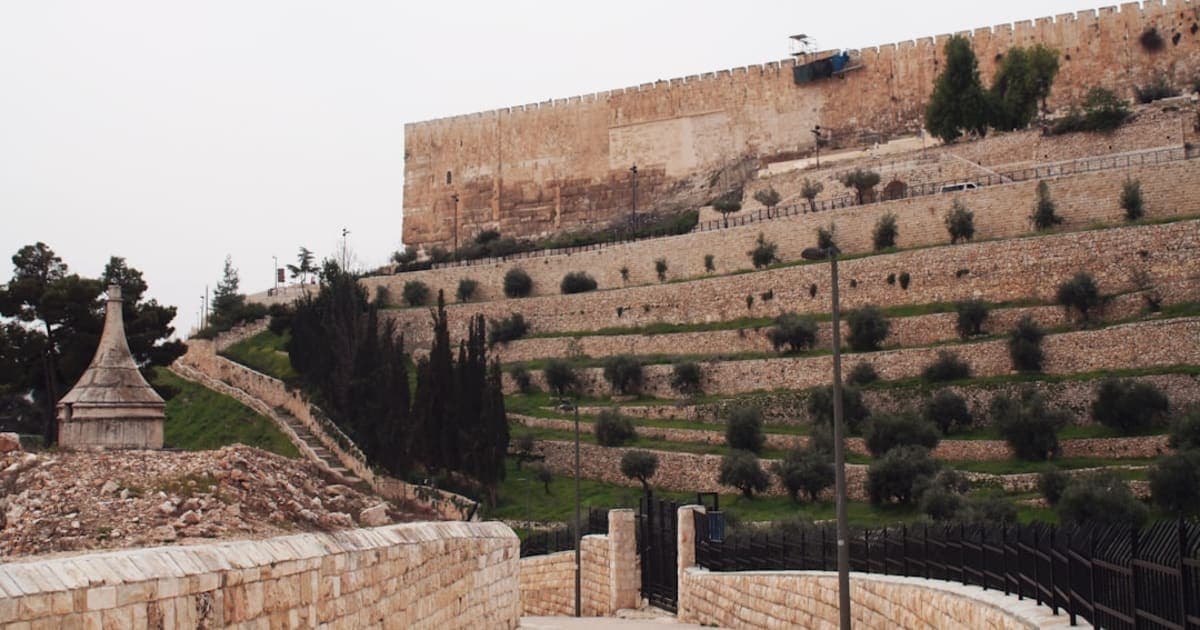
The seven species are more than a list of crops. They represent the unique spiritual character of the Land of Israel. Each species grows in Israel's soil and climate, connecting the physical land to its spiritual destiny. When Jews eat these foods, especially on holidays like Shavuot (the harvest festival) and Tu Bishvat, they reconnect with the land and its blessings.
Blessings and the Seven Species
When eating any of the seven species, the after-blessing is the special Al HaMichyah or Al Ha'Etz blessing (rather than the general Borei Nefashot), reflecting their elevated status. When multiple foods are present and you need to decide which to eat first, the seven species take priority in the order listed in the Torah.
For more on food and Jewish life, see our guides to Rosh Hashanah symbolic foods, dairy on Shavuot, and the Jewish holiday cycle.