What is Lag BaOmer and Why Do We Light Bonfires?
What Is Lag BaOmer and Why Do We Light Bonfires?
Why do Jews around the world light massive bonfires on one specific night each spring? Lag BaOmer, the 33rd day of the Omer count, is a day of celebration that breaks the mourning restrictions of the Omer period with music, dancing, bonfires, and joy. It falls on the 18th of Iyar, usually in May.
Why Is Lag BaOmer Special?
The Omer period is a time of semi-mourning, commemorating a plague that killed 24,000 students of Rabbi Akiva. The Talmud teaches that the plague ceased on the 33rd day of the Omer, making Lag BaOmer a day of relief and celebration. The mourning customs (no weddings, no haircuts, no live music) are suspended for the day.
Lag BaOmer is also the yahrzeit (anniversary of death) of Rabbi Shimon bar Yochai, the great Talmudic sage and mystic traditionally credited with authoring the Zohar, the foundational text of Kabbalah. Rabbi Shimon instructed his students to celebrate his yahrzeit with joy, not mourning, because it marked the day he revealed the deepest secrets of the Torah. This is why Lag BaOmer has a distinctly mystical and joyful character.
The Bonfires
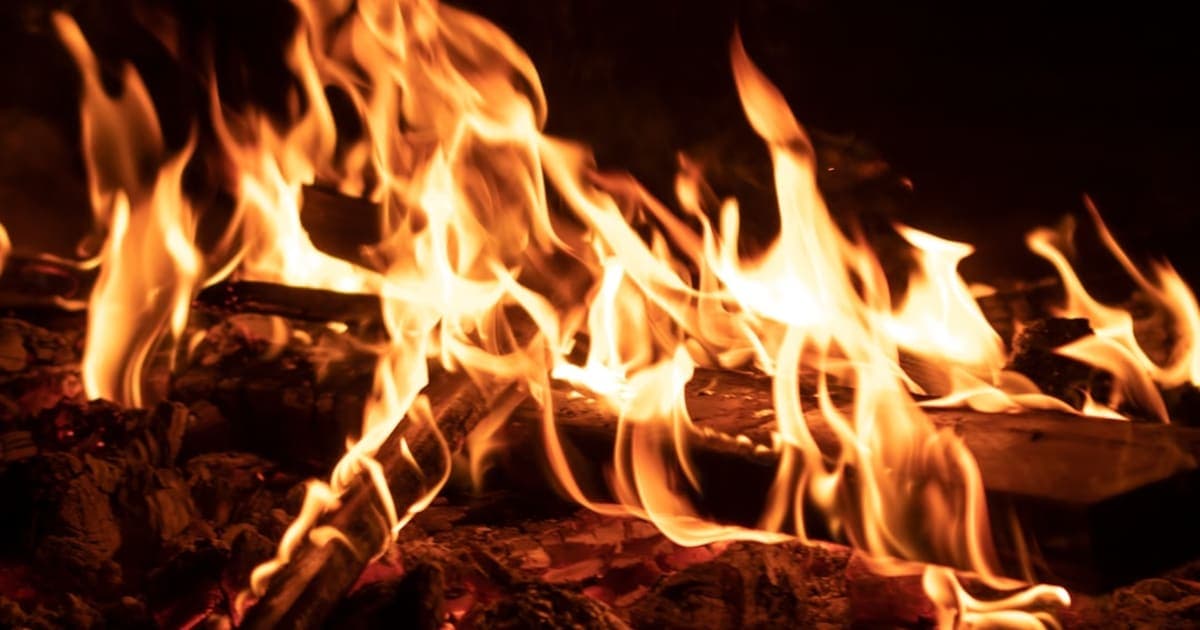
The most visible Lag BaOmer custom, especially in Israel, is the lighting of bonfires (medurot). On Lag BaOmer evening, bonfires blaze across the country, from Jerusalem rooftops to Galilee hillsides, from neighborhood parks to the massive bonfire at Rabbi Shimon's tomb in Meron.
The bonfire symbolizes the spiritual light that Rabbi Shimon bar Yochai brought to the world through his mystical teachings. Just as fire provides light and warmth, the Torah's inner, mystical dimension illuminates the hidden aspects of reality. Some also connect the bonfires to the Bar Kochba revolt against Rome, which Rabbi Akiva supported, as fire signals were used for military communication.
Meron
The epicenter of Lag BaOmer celebrations is Meron, a small town in northern Israel where Rabbi Shimon bar Yochai is buried. Hundreds of thousands of people make a pilgrimage to Meron on Lag BaOmer for an extraordinary celebration that includes a massive bonfire, singing, dancing, and all-night prayer and celebration. It is one of the largest annual gatherings in Israel.
A special Meron custom is the first haircut (chalakah or upsherin) for three-year-old boys. Many families bring their sons to Meron specifically for this milestone, cutting their hair for the first time in this holy and festive atmosphere.
Other Customs
Weddings: Since the mourning restrictions are lifted, Lag BaOmer is one of the most popular days for Jewish weddings during the Omer period.
Haircuts: Those who have refrained from cutting their hair during the Omer often get haircuts on Lag BaOmer.
Outdoor activities: In many communities, children go on field trips, play with bows and arrows (a custom connected to the tradition that no rainbow appeared during Rabbi Shimon's lifetime, since his merit protected the world), and enjoy outdoor games.
Music and dancing: Live music, which is avoided during the Omer, is permitted and celebrated on Lag BaOmer.
The Deeper Meaning
Lag BaOmer teaches that even in a period of mourning and loss, there are moments of light and celebration. The students of Rabbi Akiva died because they failed to respect one another. Lag BaOmer, by bringing communities together in joy and celebration, represents the rectification of that failure. When we gather around a bonfire, sing together, and share in each other's happiness, we practice the unity and mutual respect that Rabbi Akiva's students lacked.
For more on related topics, see our guides to the Omer, Shavuot, and the Jewish holiday cycle.