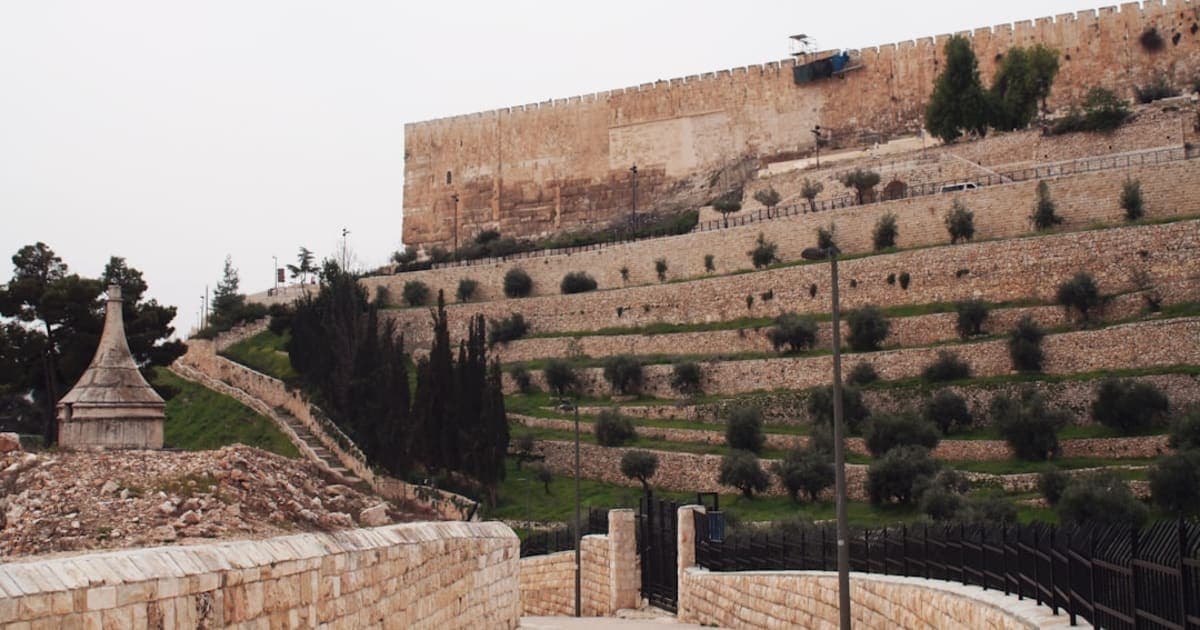
Tisha B'Av: What Are Kinnot?
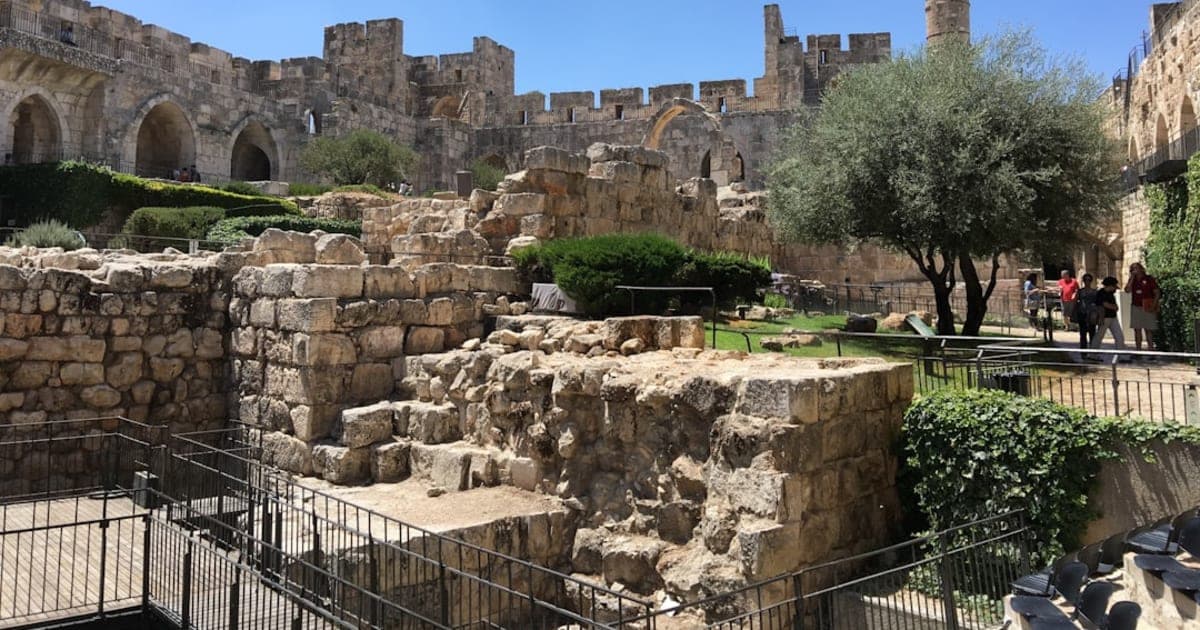
Tisha B'Av: What Are Kinnot?
What words can capture the magnitude of losing the center of your spiritual world? Kinnot (lamentations) are the poetic prayers recited on Tisha B'Av, the ninth of Av, the saddest day on the Jewish calendar. These haunting compositions give voice to 2,000 years of Jewish grief, mourning not only the destruction of the Temple but the full sweep of tragedies that have befallen the Jewish people throughout history.
When Are Kinnot Recited?
Kinnot are recited on the morning of Tisha B'Av, after the reading of the Book of Eicha (Lamentations of Jeremiah). The recitation can take several hours, depending on the community and how many kinnot are included. The congregation sits on low chairs or on the floor (as mourners do during shiva), the lights are dimmed, and the kinnot are chanted in mournful melodies.
What Are Kinnot?
Kinnot are liturgical poems of lamentation, most composed during the medieval period by great Jewish poets and scholars. They draw on biblical language, particularly from the Book of Lamentations and the Psalms, and weave together historical memory, theological reflection, and raw emotional grief. Each kinnah (singular) focuses on a particular theme or tragedy.
Major Themes
The destruction of the First Temple (586 BCE): Several kinnot describe the Babylonian siege of Jerusalem, the burning of the Temple, and the exile of the Jewish people to Babylon.
The destruction of the Second Temple (70 CE): The Roman destruction of the Temple, the fall of Jerusalem, and the horrors of the siege are recounted in vivid, painful detail.
The Ten Martyrs: One of the most famous kinnot (also recited on Yom Kippur) describes the execution of ten great rabbis by the Roman authorities, each martyred for the crime of teaching Torah.
The Crusades: Several kinnot were composed in response to the massacres of Jewish communities during the First and Second Crusades in the 11th and 12th centuries. These poems name specific communities (Mainz, Worms, Speyer) and describe the heroism of those who chose death over forced conversion.
The destruction of Jewish communities throughout history: Later kinnot address other tragedies, including the expulsion from Spain, various pogroms, and in some modern editions, the Holocaust.
Notable Kinnot
Eicha (Lamentations): The biblical book written by the prophet Jeremiah, read on Tisha B'Av evening. Its five chapters describe the destruction of Jerusalem in agonizing detail.
Eli Tziyon: The closing kinnah, a powerful poem in which the city of Zion is called to weep for all that has been lost. Its refrain, Eli Tziyon ve'areha (Wail, O Zion and her cities), is set to a melody that is among the most recognizable in Jewish liturgy.
How to Approach Kinnot
Kinnot can be challenging because of their length, their complex Hebrew poetry, and the density of historical references. Many modern kinnot editions include English translation and commentary, which makes the experience much more accessible. Some communities have a rabbi or scholar who explains each kinnah before it is recited, providing context and drawing connections to contemporary life.
The key to engaging with kinnot is not to rush through them. The purpose is to feel the weight of what was lost. When you read about the destruction of the Temple, the murder of innocents, or the exile of communities, let yourself grieve. Jewish tradition considers this mourning not merely backward-looking but forward-directed: by feeling the pain of what was lost, we strengthen our commitment to building a better future.
The Spiritual Message
The kinnot teach that memory is a Jewish obligation. We do not forget our history, not the tragedies and not the triumphs. By remembering, we honor those who suffered, we maintain our connection to the past, and we fuel our hope for the future. The same tradition that commands us to mourn on Tisha B'Av also teaches that this day will one day become the greatest celebration on the calendar. Until then, we sit on the floor, dim the lights, and let the kinnot give voice to our deepest grief and our highest hope.
For more on this period, see our guides to the Three Weeks, Nine Days menu, and the Jewish holiday cycle.