What Foods Are Kosher for Passover?
Why Does Passover Have Its Own Set of Food Rules?
If you thought keeping kosher year-round was detailed, Passover (Pesach) adds an entirely new layer. For eight days (seven in Israel), the Jewish people observe a unique dietary regime that goes far beyond the usual kosher requirements. Understanding what is and is not kosher for Passover is essential for celebrating the holiday properly.
The Core Rule: No Chametz
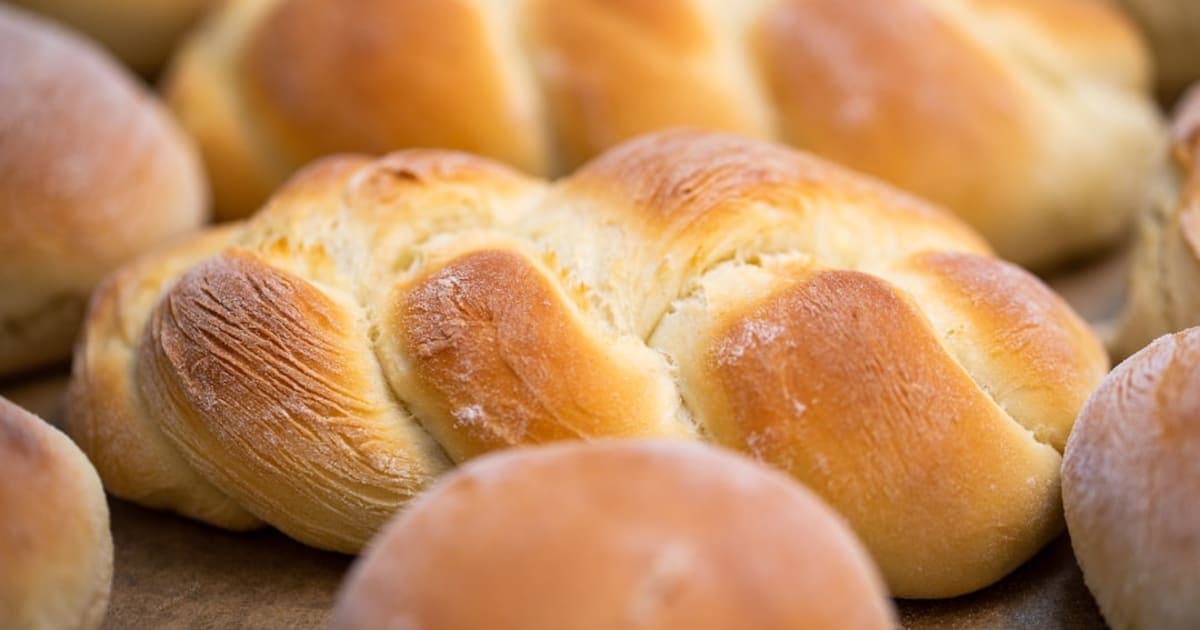
The fundamental Passover food law is the prohibition of chametz -- leavened grain products. Chametz is created when any of five specific grains (wheat, barley, rye, oats, or spelt) comes into contact with water and is allowed to sit for more than 18 minutes without being baked. This means that regular bread, pasta, cookies, crackers, beer, and most baked goods are chametz and forbidden on Passover.
The prohibition is unusually strict: not only may you not eat chametz, you may not own it, benefit from it, or even have it in your possession during Passover. This is why Jews clean their homes so thoroughly before the holiday and sell remaining chametz to a non-Jew.
What IS Kosher for Passover
Matzah -- Unleavened bread made from flour and water, baked within 18 minutes. This is the quintessential Passover food, eaten at the Seder and throughout the holiday.
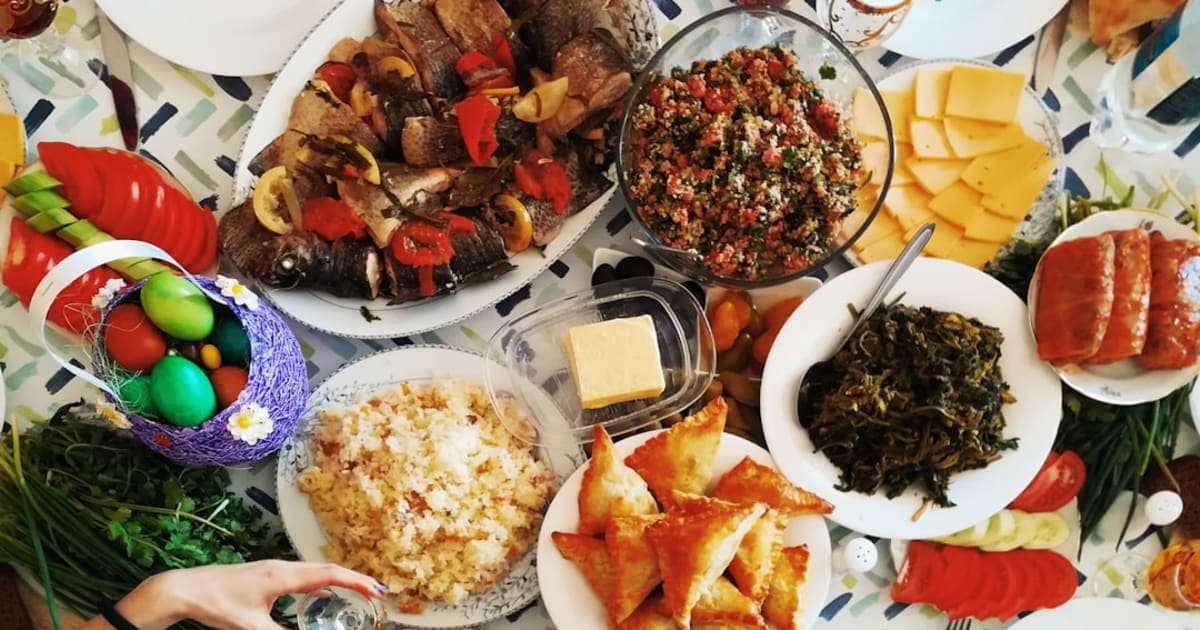
Meat, Poultry, and Fish -- All meat, poultry, and fish that are kosher year-round are kosher for Passover (assuming they are processed without chametz ingredients). Fresh, unprocessed meat and fish are generally fine; processed products need Passover certification.
Fruits and Vegetables -- All fresh, whole fruits and vegetables are kosher for Passover. However, processed, canned, or frozen varieties may contain chametz additives and should have Passover certification.
Eggs and Dairy -- Plain eggs are fine. Dairy products like plain milk, butter, and cheese may be acceptable, but check for Passover certification on processed dairy items.
Oils -- Pure olive oil is universally accepted. Other oils depend on the kitniyot question (see below).
The Kitniyot Debate
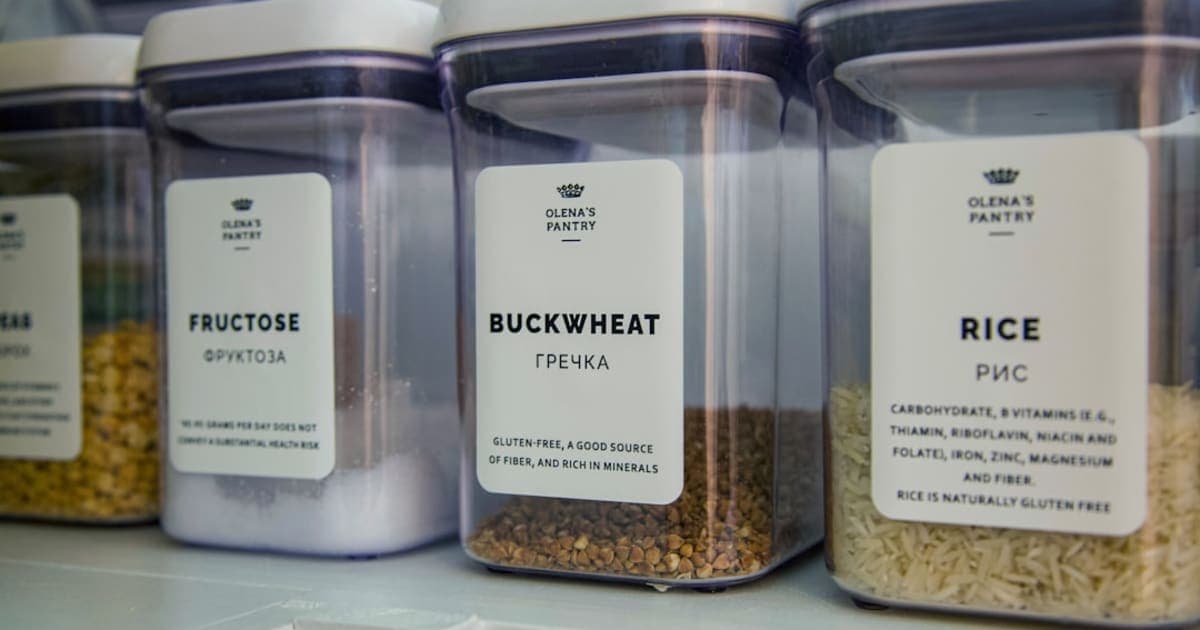
One of the most significant differences between Ashkenazi and Sephardi Passover observance concerns kitniyot -- a category of foods that includes rice, corn, beans, lentils, peas, peanuts, sesame, and mustard.
Ashkenazi custom: For centuries, Ashkenazi communities have prohibited kitniyot on Passover. The reason: these foods can be ground into flour that resembles grain flour, and there was concern about confusion or accidental mixing with actual chametz grains.
Sephardi custom: Sephardi and Mizrachi communities never adopted this prohibition. Rice, corn, beans, and legumes are perfectly acceptable for Passover in these traditions.
Recent developments: In 2015, the Conservative movement's Committee on Jewish Law ruled that Ashkenazi Jews may eat kitniyot on Passover if they choose. Some Orthodox Ashkenazi authorities in Israel have also suggested leniency for those who find the restriction burdensome. However, most Orthodox Ashkenazi communities maintain the traditional prohibition.
Products That Need Passover Certification
Many everyday products require special Passover certification because their manufacturing process involves chametz or chametz derivatives: all baked goods and snacks, breakfast cereals, condiments (ketchup, mustard, soy sauce, vinegar), candy and chocolate, beverages (especially those with grain alcohol or corn syrup), spice blends (may contain flour as anti-caking agent), medications and vitamins (may contain starch fillers).
When shopping, look for products labeled "Kosher for Passover" with a reliable kosher certification. Many kosher products that are fine year-round are NOT automatically kosher for Passover.
Practical Shopping Tips
Start shopping early -- Passover products appear in stores 4-6 weeks before the holiday. Stock up on basics: matzah, matzah meal, potato starch, Passover oil, Passover-certified spices. Buy fresh produce, meat, and eggs which need minimal certification. Check your community's Passover guide -- many rabbinical organizations publish annual lists of approved products.
The Matzah Connection
Matzah is not just the absence of chametz -- it carries deep symbolic meaning. It represents the bread of poverty that our ancestors ate in Egypt and the speed of the Exodus (no time to let bread rise). Eating matzah on Passover is a positive commandment, not just the avoidance of chametz.
For more on preparing for Passover and the process of kashering your kitchen, see our detailed guides. May your Passover be meaningful, delicious, and chametz-free.