Counting the Omer: A 49-Day Spiritual Journey
Counting the Omer: A 49-Day Spiritual Journey
What if each day between two holidays was an opportunity for personal transformation? The counting of the Omer (Sefirat HaOmer) is one of Judaism's most unique observances: a 49-day count from the second night of Passover to the eve of Shavuot. Each night, we count another day, another step on a journey from physical liberation to spiritual revelation.
What Is the Omer?
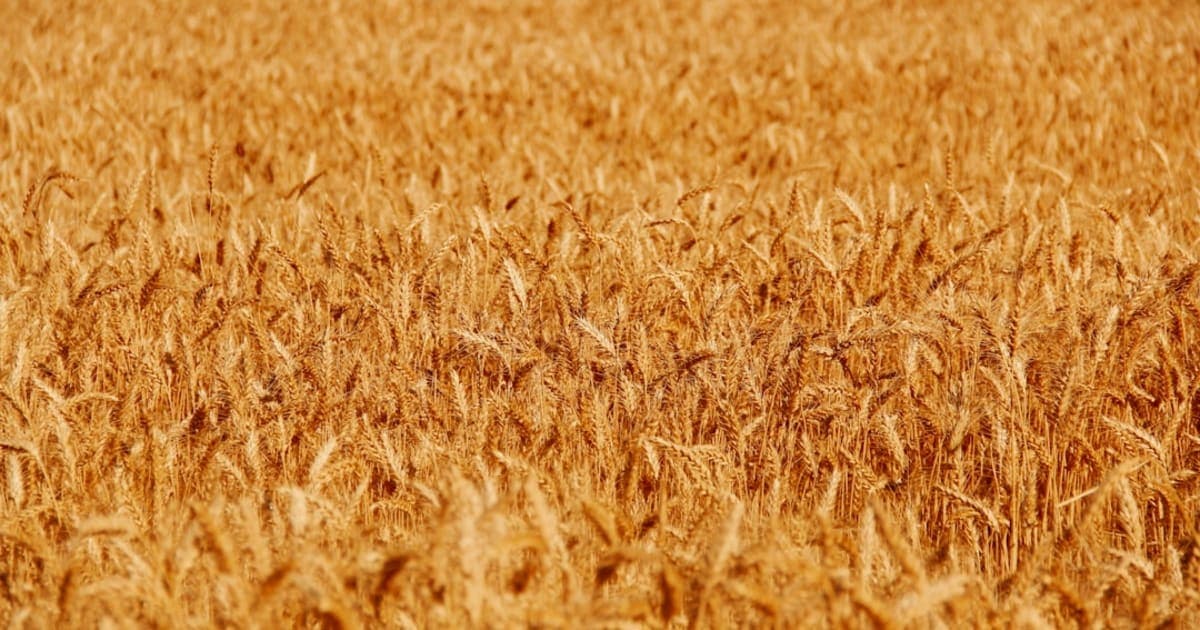
The word omer refers to a measure of barley that was brought as an offering in the Temple on the second day of Passover. From that day, the Torah commands counting seven complete weeks, 49 days, until the holiday of Shavuot on the fiftieth day. Today, without the Temple, the counting itself remains as a powerful spiritual practice.
How to Count
Each evening after nightfall (the Jewish day begins at night), we recite a blessing and then state the count: Tonight is day [number] of the Omer, which is [number] weeks and [number] days of the Omer. The blessing is: Blessed are You, God, King of the universe, who has sanctified us with His commandments and commanded us regarding the counting of the Omer.
If you forget to count at night, you may count the next day without a blessing, and then resume counting with a blessing the following night. If you miss an entire day (both night and the following day), you continue counting on subsequent days but without a blessing for the remainder of the Omer.
The Mourning Period
The Omer period is also a time of mourning. The Talmud relates that during this period, 24,000 students of Rabbi Akiva died because they did not treat each other with sufficient respect. In memory of this tragedy, certain joyful activities are curtailed during the Omer. Weddings are not held. Haircuts are avoided by many. Live music and dancing are restricted.
Different communities observe these restrictions during different portions of the Omer. Some observe mourning from Passover until the 33rd day of the Omer (Lag BaOmer). Others observe from the beginning of the Hebrew month of Iyar until Shavuot. Still others have varying customs. Consult your community's practice for specifics.
Lag BaOmer
Lag BaOmer, the 33rd day of the Omer, is a festive interruption in the mourning period. On this day, the plague among Rabbi Akiva's students ceased, and it is also the yahrzeit (anniversary of death) of the great sage Rabbi Shimon bar Yochai. Bonfires are lit, music is played, and weddings and haircuts are permitted.
The Spiritual Journey
The Kabbalistic tradition assigns a spiritual quality to each of the 49 days, based on the seven sefirot (divine attributes): chesed (lovingkindness), gevurah (strength/discipline), tiferet (harmony/beauty), netzach (endurance), hod (humility), yesod (foundation/connection), and malchut (sovereignty/expression). Each week is associated with one attribute, and each day within the week with another, creating 49 unique combinations.
For example, the first day is chesed within chesed (pure lovingkindness). The second day is gevurah within chesed (discipline within lovingkindness). This framework provides a daily focus for self-improvement. How can I be more kind today? How can I bring discipline to my kindness? How can I find the beauty in my strength?
This system turns the Omer count from a simple calendar exercise into a 49-day program of character development. The journey mirrors the Israelites' transformation from newly freed slaves (Passover) into a people ready to receive the Torah (Shavuot). We are meant to undergo a similar transformation each year, refining our character trait by trait, day by day.
Practical Tips
Set a daily reminder on your phone to count the Omer. Many Jewish calendar apps include Omer counting features with notifications. Count right after the evening prayer (Maariv) if you attend services, or at home after nightfall. Some families count together, making it a nightly family ritual. Keep a journal during the Omer, reflecting each day on the spiritual quality associated with that day.
For more on the holidays that frame the Omer, see our guides to Passover, Shavuot, and Lag BaOmer.