Shavuot and the Giving of the Torah
Shavuot and the Giving of the Torah
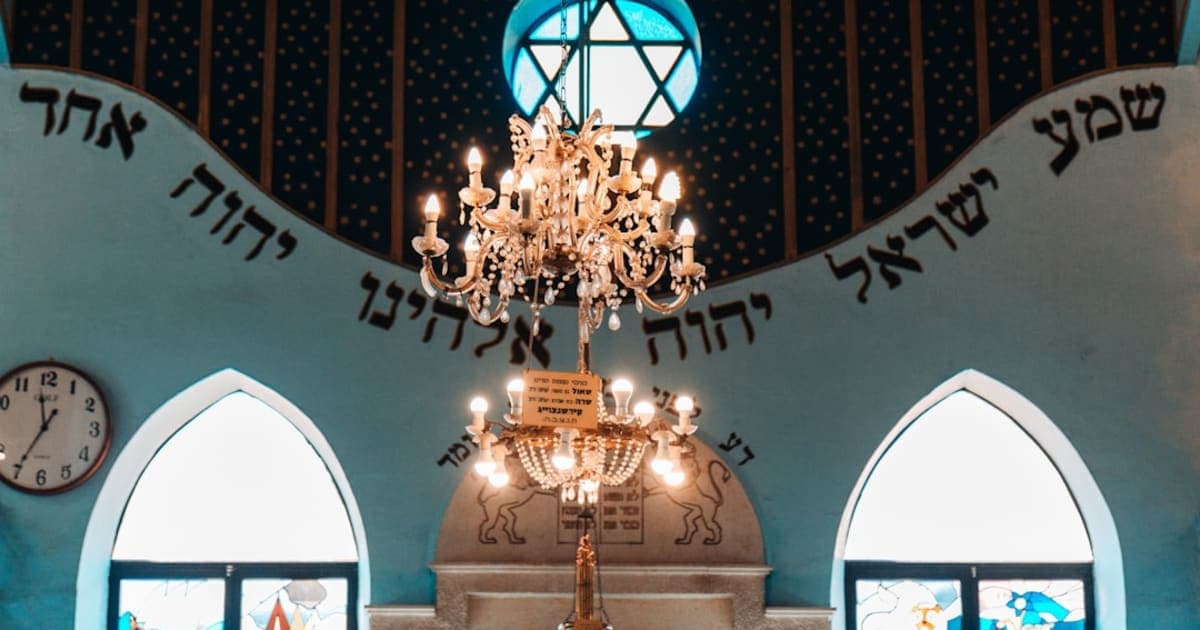
What if there were a day that marked the single most important moment in Jewish history? Shavuot, which falls on the 6th of Sivan (and the 7th outside of Israel), commemorates the giving of the Torah at Mount Sinai, the moment when God spoke to the entire nation of Israel and established an eternal covenant. It is one of the three pilgrimage festivals, yet it is perhaps the least well-known, partly because it has no sukkah, no matzo, and no shofar. Its central observance is something deceptively simple: learning Torah.
When Is Shavuot?
Shavuot falls exactly seven weeks (50 days) after the second night of Passover, at the conclusion of the counting of the Omer. The word Shavuot means weeks, referring to these seven weeks of anticipation between liberation from Egypt and receiving the Torah. The connection is fundamental: Passover gave us physical freedom, but Shavuot gave us purpose and direction for that freedom.
The Revelation at Sinai
The Torah describes the scene at Sinai in vivid, almost overwhelming terms: thunder, lightning, a thick cloud, the sound of a shofar growing louder and louder, and the mountain itself smoking because God descended upon it in fire. The entire nation, reportedly over two million people, stood at the foot of the mountain and heard God speak the Ten Commandments directly. This was a unique event in human history: an entire nation experiencing divine revelation simultaneously.
According to tradition, every Jewish soul that would ever exist was present at Sinai, including the souls of future converts. This means that the experience of Sinai is not just a historical memory but a personal one. Every Jew has a connection to that moment, and Shavuot is the annual opportunity to renew that connection.
All-Night Torah Study (Tikkun Leil Shavuot)
One of the most beloved Shavuot customs is staying up all night learning Torah. This tradition, called Tikkun Leil Shavuot, has its roots in a teaching that the Israelites overslept on the morning of the revelation and had to be woken by God. To rectify this, we stay awake all night, demonstrating our eagerness to receive the Torah.
Synagogues and study halls offer lectures, classes, and study sessions throughout the night. Topics range from Bible and Talmud to Jewish philosophy, mysticism, and contemporary issues. The atmosphere is unique: a community of people voluntarily staying up through the night for the sole purpose of learning. At dawn, the morning service is held, often outdoors as the sun rises, culminating in the reading of the Ten Commandments from the Torah.
Reading the Book of Ruth
The Book of Ruth is read on Shavuot. Several reasons are given for this connection. Ruth was a convert who accepted the Torah with complete devotion, mirroring the Israelites' acceptance at Sinai. The story takes place during the harvest season, connecting to Shavuot's agricultural dimension. Ruth was the great-grandmother of King David, who according to tradition was born and died on Shavuot. And Ruth's declaration to Naomi, Your people shall be my people and your God my God, echoes the Israelites' declaration at Sinai: We will do and we will hear.
Dairy Foods
One of Shavuot's most distinctive customs is eating dairy foods: cheesecake, blintzes, cheese bourekas, and other milk-based dishes. Several explanations exist for this custom, including that after receiving the Torah and its laws of kashrut, the Israelites could not immediately prepare meat (which requires kosher slaughter and proper preparation), so they ate dairy instead.
Decorating with Flowers and Greenery
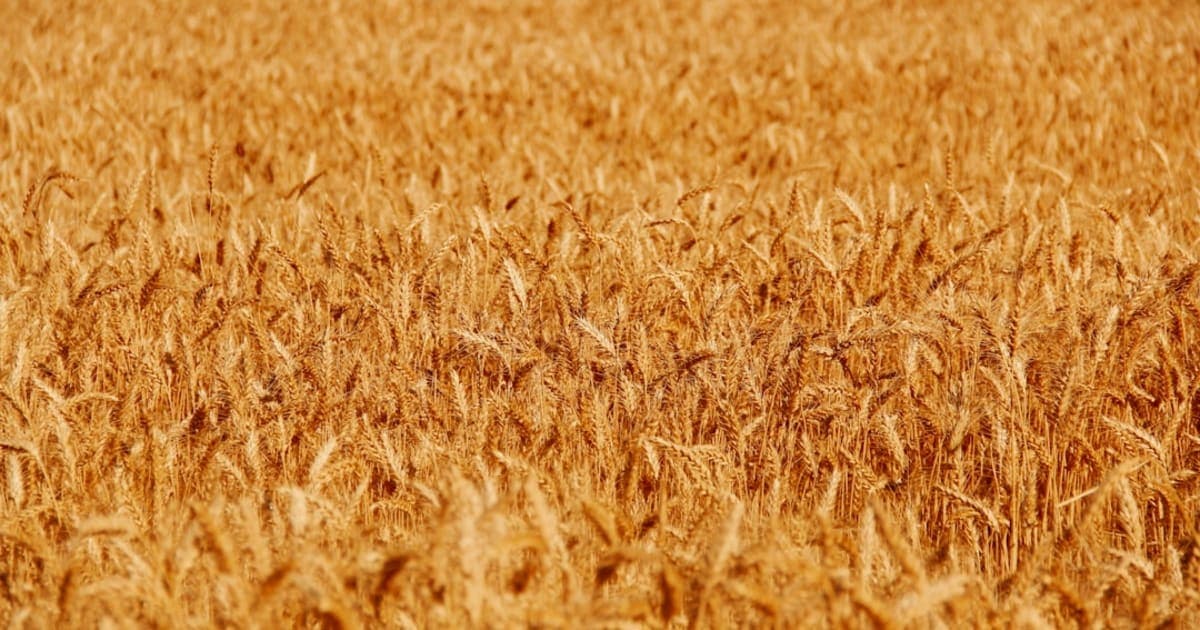
Many communities decorate the synagogue and home with flowers and green plants on Shavuot, recalling the tradition that Mount Sinai blossomed with flowers at the moment of the revelation. The greenery also connects to the agricultural aspect of the holiday, as Shavuot marks the wheat harvest and the season of first fruits in the Land of Israel.
The Yizkor Prayer
Yizkor (the memorial prayer for the deceased) is recited on Shavuot, as it is on Yom Kippur, Shemini Atzeret, and the last day of Passover. This is a meaningful time to remember loved ones who have passed on and to make charitable commitments in their memory.
The Deeper Meaning
Shavuot celebrates the idea that freedom without purpose is incomplete. The Exodus gave the Israelites liberty, but it was the Torah that gave them identity, direction, and a mission. Shavuot teaches that the highest form of freedom is the freedom to commit to something greater than yourself.
Each year on Shavuot, we do not merely remember the giving of the Torah; we re-receive it. The Torah is not a static document from the past; it is a living, breathing guide that speaks anew to each generation. By studying Torah through the night, by standing for the reading of the Ten Commandments, by immersing ourselves in the texts and teachings, we renew our covenant with God and with our heritage.
For more on the holidays, see our guides to the Omer, the Book of Ruth, and the Jewish holiday cycle.